
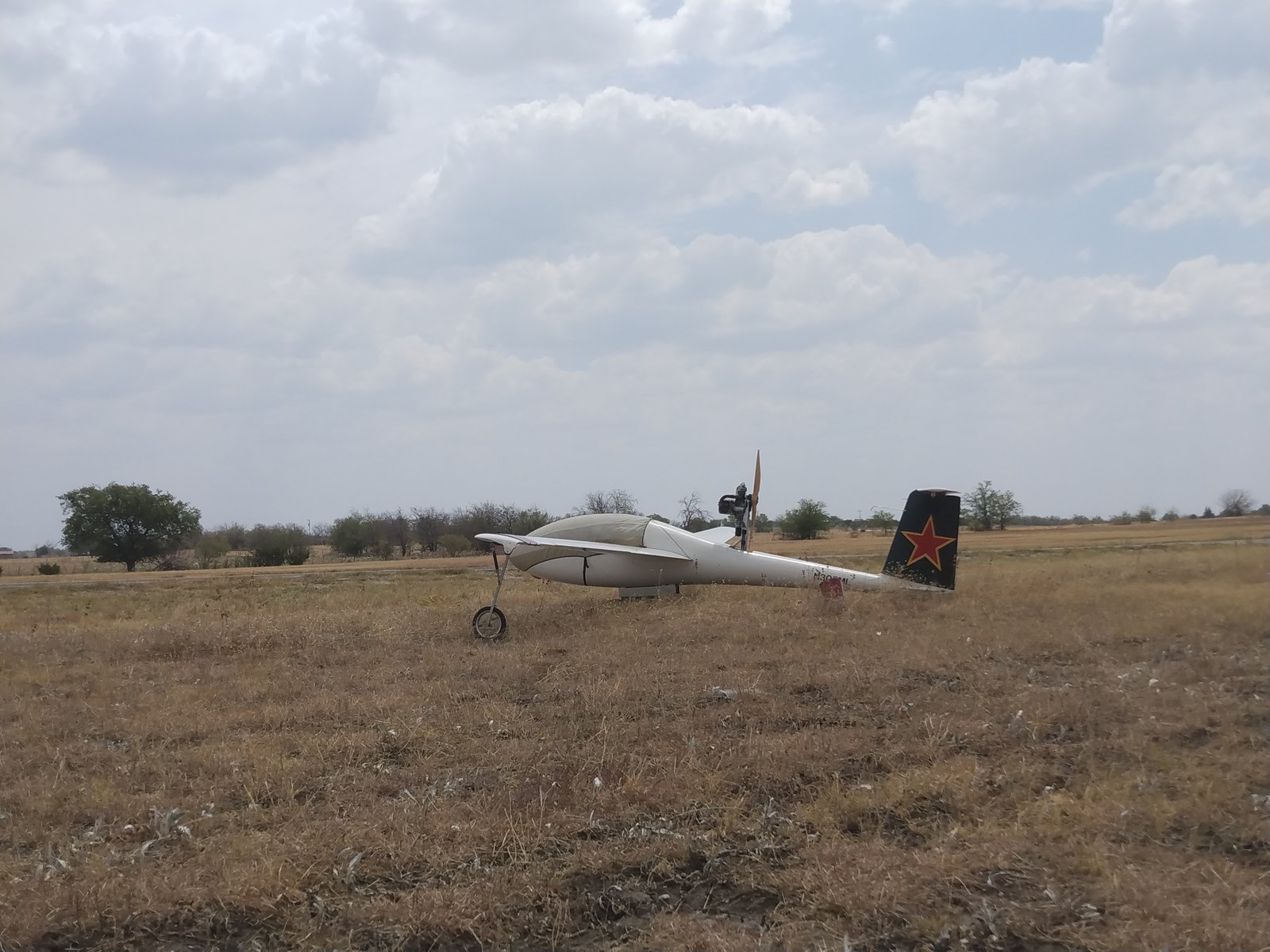
Development and Design
The AC-5M emerged from the innovative work of Vladimir Egorovich Fedorov, a Moscow Aviation Institute aerodynamics PhD and former Buran space program engineer. Born in 1937, Fedorov had pioneered fiberglass glider construction with his Istra motor glider, completed in 1974 during experiments at the Second Moscow Aeroclub. The AC-5M evolved from Fedorov's earlier AC-4 Russia glider, incorporating lessons learned from the 1989 FAI World Class competition that emphasized simplicity, low cost, and high performance.
Fedorov's design objectives centered on creating a lightweight sport aircraft suitable for solo training and club operations. The AC-5M's retractable engine configuration allowed it to function as both a powered aircraft and pure glider, targeting the 30:1 glide ratio achieved by its AC-4 predecessor. This dual capability made it particularly attractive to flying clubs seeking cost-effective training solutions.
Manufacturing and Production
Aviastroitel, whose name translates to "Aircraft Builders" in Russian, manufactured the AC-5M at their Penza facility. The company evolved from the Aircraft Cooperative Mechta, formed in 1989 to support Fedorov's glider designs. After reorganization as a production entity in the early 1990s, Aviastroitel established a second assembly line in the mid-1990s with capacity for 48 aircraft annually.
Production of the AC-5M began in the late 1990s, with the prototype taking flight in 1999. Manufacturing continued until 2002, when new Russian government industrial standards made operations financially unviable. During this brief production run, approximately 35 AC-5M units were completed before operations ceased.
Technical Specifications
The AC-5M utilized a single Zanzottera MZ-35R two-stroke piston engine producing 25 horsepower. This Italian-manufactured powerplant could be retracted into the fuselage, allowing the aircraft to achieve glider-like performance when operating unpowered. The retraction system proved reliable, with post-accident investigations by the NTSB finding no mechanical issues with the engine installation.
Constructed primarily of fiberglass, the AC-5M featured a low-wing design with tandem landing gear configuration. The single-seat cockpit accommodated pilots up to the aircraft's maximum gross weight of 661 pounds. This lightweight construction, combined with the retractable engine, enabled the motor glider to achieve impressive soaring performance while maintaining powered flight capability.
Service and Operations
The AC-5M found its primary market among recreational pilots and flying clubs, particularly in North America. Aviastroitel focused heavily on exports to the United States, working through distributors including Mechta Sailplanes LLC and Russia Sailplanes. This export strategy proved successful, with documented examples including aircraft registered as N40233 (manufacturer serial number 004, built in 2000) and N186P (serial 014).
Operators used the AC-5M for sport flying, pilot training, and airshow demonstrations. The aircraft's experimental-exhibition category certification in the United States limited its use to non-commercial operations, making it popular among private owners seeking an affordable entry into motor gliding. Flight records show some aircraft accumulated relatively low hours, with one example showing only 54 total airframe hours by 2012.
Company Revival and Legacy
Following the 2002 production halt, Aviastroitel underwent reorganization. The company was restructured in 2010 as Glider Air Craft Ltd and resumed production of earlier models, including renewed manufacturing of the AC-5M. This revival demonstrated the enduring appeal of Fedorov's designs and the market demand for simple, cost-effective motor gliders.
The AC-5M's legacy extends beyond its modest production numbers. It represented successful post-Soviet aviation exports to Western markets, helping establish Russian light aircraft manufacturers in the global recreational aviation sector. By 2002, Aviastroitel had produced over 100 gliders across all models, with the AC-5M contributing to this achievement despite challenging economic conditions.
Current Status
At least two AC-5M aircraft remained in service as of 2023, though both suffered significant accidents that year. One aircraft was substantially damaged in a 2012 accident in Kingston, Nevada, while another was destroyed in a 2023 incident in Cornelius, Oregon, fortunately without fatalities. The Massey Air Museum in the United States houses a preserved example, which participates in aviation events and demonstrations under the operation of pilot Hans Hochradel.
The AC-5M's cultural significance lies in its role as a bridge between Soviet-era prototype development and successful Western market penetration. Despite production challenges and the relatively small number built, the aircraft demonstrated that innovative Russian designs could compete in international recreational aviation markets, paving the way for future export successes.