
An investigation into official aviation registries reveals that there is no verifiable, certified aircraft identified by the ICAO type designator 'ARR' with the name 'Aurora' as a stand-alone aircraft type. According to the official ICAO Doc 8643 Part 2, which serves as the primary reference for aircraft type designators, the name 'Aurora' is listed only as a variant of an existing model—specifically the American Champion 7ECA Citabria Aurora. In this instance, the aircraft is classified as a single-engine, one-pilot piston landplane (L1P), but its flight plan identification is tied to the 7ECA base model rather than a unique 'ARR' code.
Further verification through FAA Order 7360.1D and various aviation code aggregators, including Skybrary and other type-code databases, confirms that no civil aircraft is assigned the stand-alone type code 'ARR' matching an Aurora aircraft. Consequently, there are no documented production figures, manufacturing locations, or certified designers associated with a specific 'ARR Aurora' airframe. Because no such certified aircraft exists in the public record, technical specifications regarding dimensions, engine power, and performance metrics are unavailable.
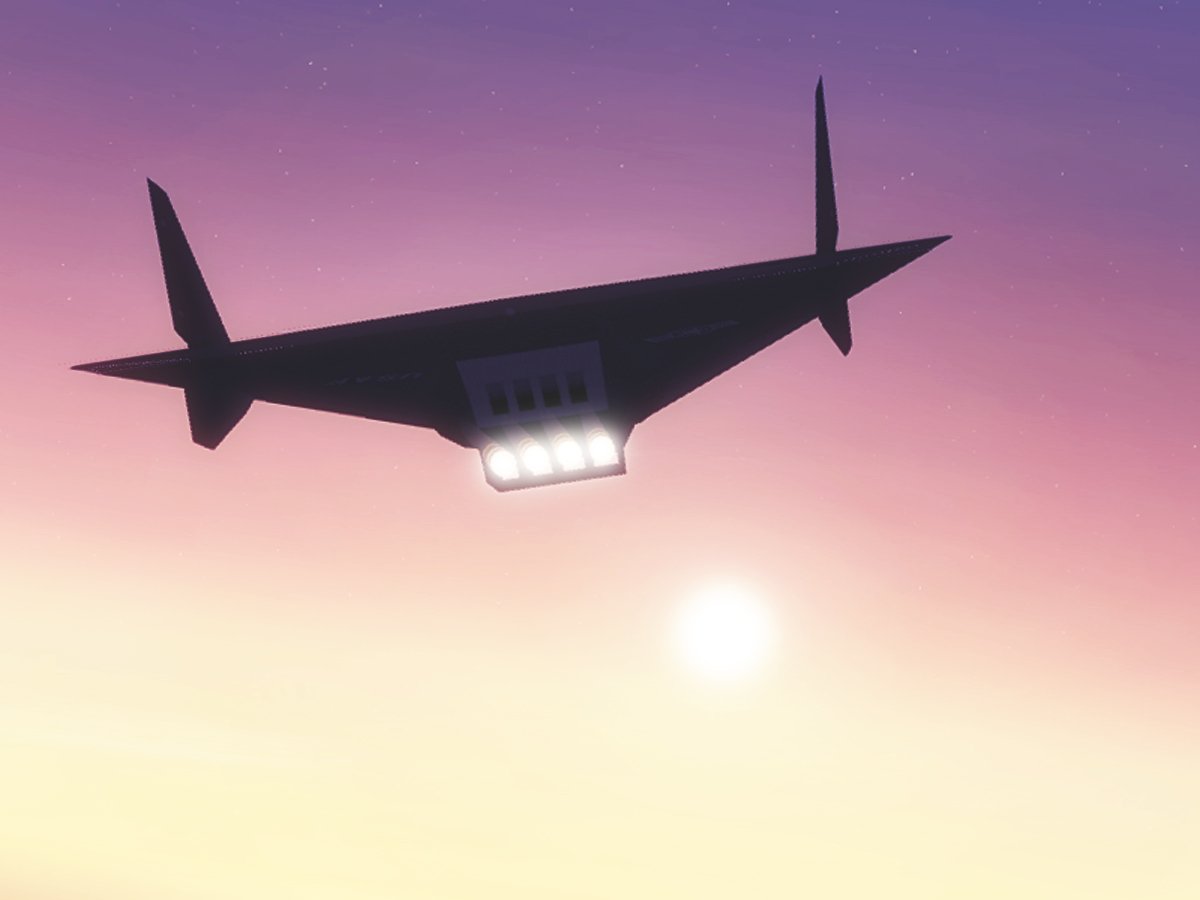
Outside of certified civil aviation, the name 'Aurora' is frequently associated with a rumored American reconnaissance aircraft allegedly developed in the mid-1980s. This rumored project is often described in speculative literature as a high-speed, long-range successor to the SR-71. However, credible open sources emphasize that there is no substantial evidence this aircraft was ever constructed or flown. This rumored aircraft lacks any confirmed ICAO type designator, and no official registry ties the code 'ARR' to this project. Due to the lack of documentary evidence, the rumored Aurora is regarded as an unproven myth rather than a documented aircraft type. As a result, there are no surviving examples of an 'ARR Aurora' in any museum or national registry.