
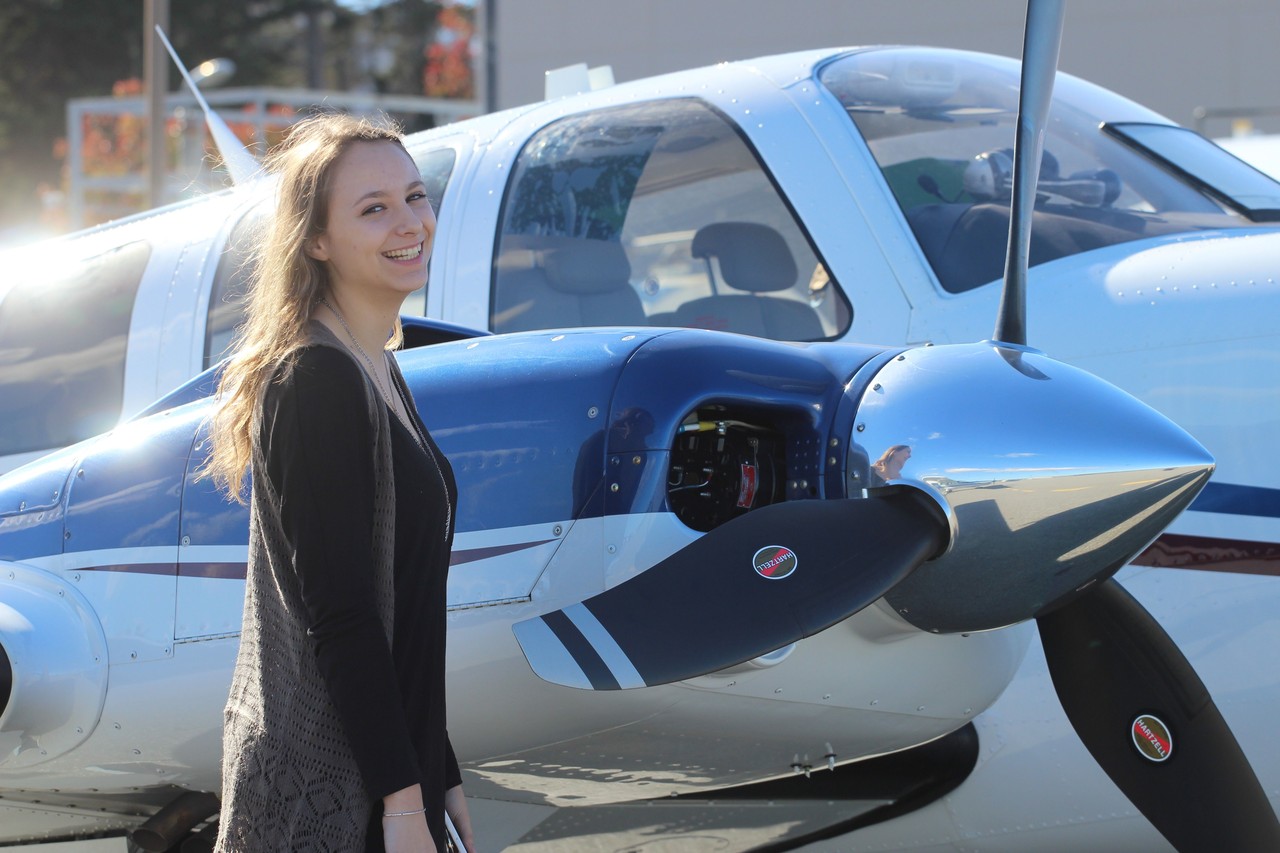
Dominating the Light Twin Market
The Baron 58 commanded the owner-flown business aircraft market throughout the 1970s and 1980s, becoming synonymous with reliable twin-engine performance. During its peak years, the aircraft represented the standard against which all other light twins were measured. The stretched fuselage design, based on the earlier Baron 55, provided substantially more cabin space and cargo capacity than its predecessors, making it particularly attractive to business operators who needed both passenger comfort and freight capability.
Manufacturing Heritage
Beech Aircraft Corporation developed the Baron 58 as part of their established twin-engine aircraft lineage, building upon decades of experience with the Twin Bonanza and earlier Baron models. The company's Wichita, Kansas facility produced all Baron 58 variants from 1970 through 2004. When Raytheon Aircraft Company acquired Beech Aircraft Corporation in 1980, production continued without interruption under the new ownership structure. Today, Textron Aviation maintains the Baron legacy through the modernized G58 variant.
Beech Aircraft Corporation had built its reputation on producing high-quality general aviation aircraft since 1932. The company's founder, Walter Beech, and chief engineer, Ted Wells, established design principles that emphasized structural integrity and pilot-friendly handling characteristics—qualities that became hallmarks of every Baron variant.
Engine Performance and Variants
The standard Baron 58 utilized two Continental IO-520-C engines, each generating 285 horsepower through naturally aspirated, air-cooled, six-cylinder configuration. These engines provided a recommended time between overhaul of 1,700 hours, contributing to the aircraft's reputation for operational economy. The powerplant combination delivered a maximum cruise speed of 200 miles per hour at 75 percent power and enabled a service ceiling of 20,688 feet.
In 1976, Beech introduced the 58TC turbocharged variant, equipped with Continental TSIO-520-L engines rated at 310 horsepower each. The turbocharged model achieved improved high-altitude performance but suffered from complexity issues that limited its market appeal. Only 151 examples of the 58TC were completed before production ceased in 1982.
The pressurized 58P variant, certified on May 21, 1974, featured the same Continental TSIO-520-L engines but incorporated a cabin pressurization system maintaining a 3.6 pound per square inch differential. This allowed comfortable flight at altitudes up to 25,000 feet while maintaining a cabin altitude equivalent to 8,000 feet. Despite its advanced capabilities, only 495 pressurized variants were manufactured during nine years of production.
Pilot Appeal and Handling
Pilots consistently praised the Baron 58 for its predictable handling characteristics and forgiving flight envelope. The aircraft's relatively low wing loading and generous control authority made it manageable for pilots transitioning from single-engine aircraft. The wide-track landing gear configuration provided excellent ground stability, while the trailing-link main gear design absorbed hard landings effectively.
The Baron 58's single-engine performance proved adequate for most operating conditions, with a single-engine service ceiling of approximately 7,400 feet at maximum gross weight. This capability, combined with the aircraft's docile stall characteristics, contributed to its excellent safety record in the light twin category.
Production Success and Market Impact
Total production reached 2,124 aircraft over 34 years, making the Baron 58 one of the most successful light twins ever manufactured. Peak production occurred during the mid-1970s, when annual output exceeded 120 aircraft. The economic recession of the early 1980s severely impacted general aviation manufacturing, reducing Baron 58 production to fewer than 50 units annually by 1984.
Pricing reflected both inflation and increasing equipment sophistication throughout the production run. The 1973 model listed at $108,850, while the final 1993 variant commanded $571,800. Despite significant price increases, demand remained steady among business operators who valued the aircraft's combination of performance, reliability, and prestige.
Operational Legacy
The Baron 58's extended production run demonstrated remarkable design longevity in a rapidly evolving market. Its success influenced subsequent light twin development across the industry, establishing benchmarks for cabin size, payload capacity, and operating economics that competitors struggled to match. The aircraft's popularity among flight training organizations also created generations of pilots familiar with its systems and characteristics.
Today, hundreds of Baron 58 aircraft remain in active service worldwide, testament to their robust construction and enduring utility. The transition to the G58 model in 2005 ensured continuation of the Baron lineage, incorporating modern glass cockpit technology while preserving the fundamental design elements that made the original Baron 58 successful.