
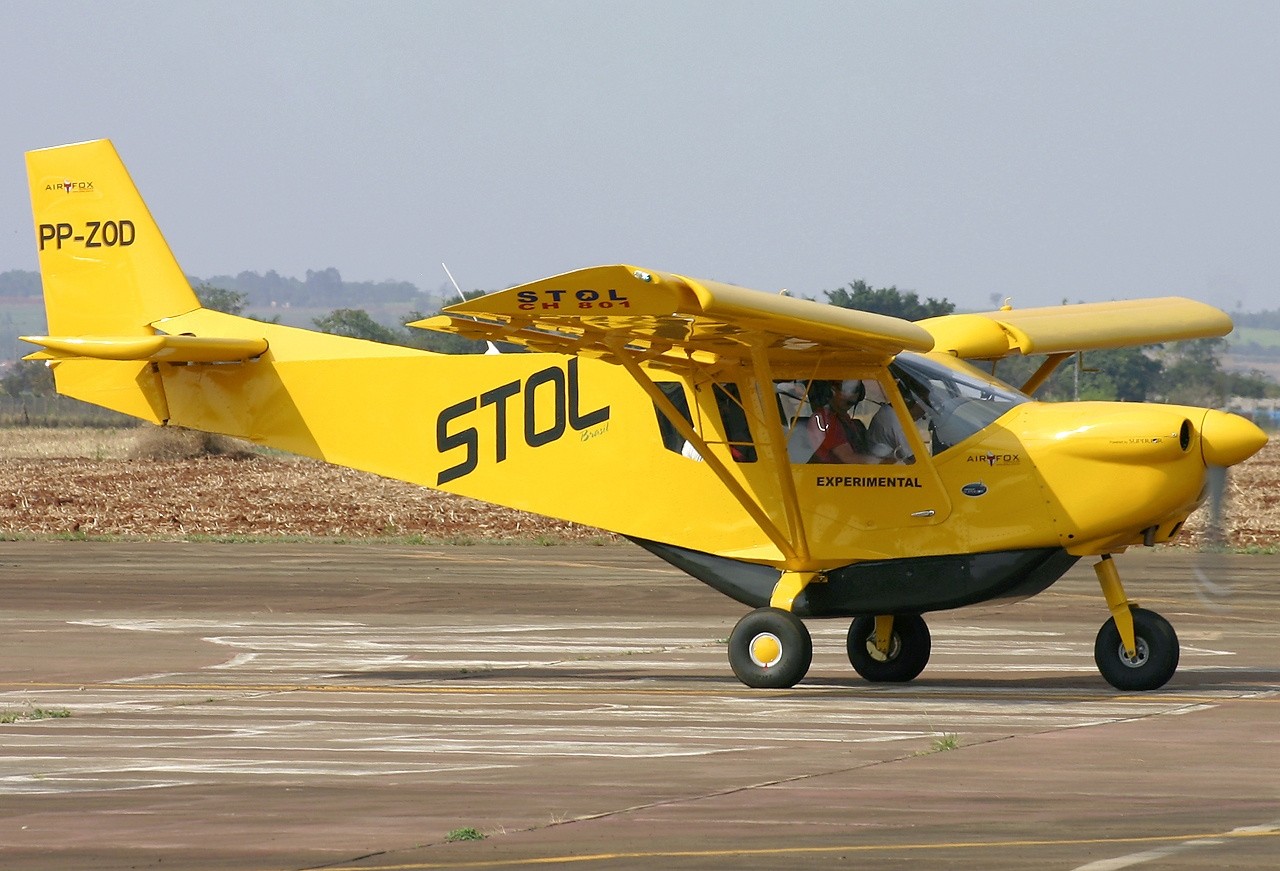
Design and Development
Chris Heintz conceived the CH-801 in 1997 as a scaled-up version of his successful two-seat CH-701, aiming to double the useful load from 500 to 1,000 pounds while maintaining exceptional short-field performance. The design team at Zenith Aircraft Company focused on creating a rugged utility aircraft capable of passenger and cargo transport to locations inaccessible to conventional aircraft.
The CH-801 incorporates several innovative design features optimized for STOL operations. Its deep wing chord combined with full-length leading-edge slats and trailing-edge flaperons generates exceptional lift at low airspeeds. An all-flying rudder provides enhanced control authority during high angle-of-attack operations. The aircraft features an inverted airfoil stabilizer specifically designed for stability during extreme nose-high attitudes common in short-field operations.
The Manufacturer
Zenith Aircraft Company operates from Mexico, Missouri, as the primary manufacturer of CH-801 kits, working in conjunction with its Canadian affiliate Zenair Ltd. Chris Heintz established the company's reputation for STOL aircraft design beginning with the CH-701 in 1986. The company has specialized in kit aircraft designed for utility operations, with variants adapted for agricultural spraying in Europe and Africa.
Zenair maintains active production today, offering multiple variants including Heavy Duty and Super-Duty configurations. The company distributed early prototypes through partners like Flypass Ltd. in Guelph, Ontario, before establishing its current production structure.
Engine and Technical Specifications
The CH-801 accommodates multiple Lycoming piston engines up to 260 horsepower, providing operators flexibility based on mission requirements. Popular configurations include the 180-horsepower Lycoming O-360, the 215-horsepower fuel-injected IO-390, and the 240-horsepower O-540 for Super-Duty variants. These engines provide the power necessary for the aircraft's substantial useful load while maintaining the simplicity essential for operations in remote areas.
The aircraft's aluminum alloy semi-monocoque structure utilizes 7075-T6 aluminum in critical areas for the Super-Duty variant, ensuring durability in harsh operating environments. The square fuselage design incorporates removable wings for transport and storage, while the tricycle landing gear features shock-absorbing springs for operations on rough terrain.
Performance Characteristics
Pilots value the CH-801 for its forgiving handling characteristics and exceptional short-field performance. The combination of leading-edge slats and trailing-edge flaperons enables remarkably low stall speeds, allowing operations from strips as short as a few hundred feet. The aircraft's short wingspan enhances maneuverability in confined spaces while maintaining structural strength for utility operations.
Standard fuel capacity of 30 US gallons in two wing tanks can be expanded to 60 gallons for extended range operations. The aircraft accommodates various landing gear configurations including wheels, floats, and skis, expanding operational flexibility across different environments and seasons.
Production and Service History
By 2011, 160 completed CH-801s were flying, with construction of major components for early examples completed by 2006. Current estimates indicate approximately 400 aircraft are operational worldwide, demonstrating steady demand for this specialized utility aircraft.
The CH-801 serves primarily in recreational flying and bush operations, though Heavy Duty and Super-Duty variants have found commercial applications in agricultural spraying. The aircraft's 1,400-pound useful load capability in HD/SD configurations makes it valuable for operators requiring substantial cargo capacity combined with short-field performance.
Legacy and Impact
The CH-801 represents a successful evolution of the STOL aircraft concept, democratizing access to extreme short-field operations through affordable kit construction. Its innovative high-lift design elements have influenced subsequent utility aircraft development, proving that exceptional STOL performance need not require complex systems or prohibitive costs.
While not achieving the production numbers of larger commercial aircraft, the CH-801 has carved out an important niche in specialized aviation markets. Its continued production and growing fleet demonstrate the enduring demand for aircraft capable of accessing the world's most challenging airstrips, maintaining the tradition of utility aviation pioneered by earlier bush planes but with modern design and construction techniques.