
Service History
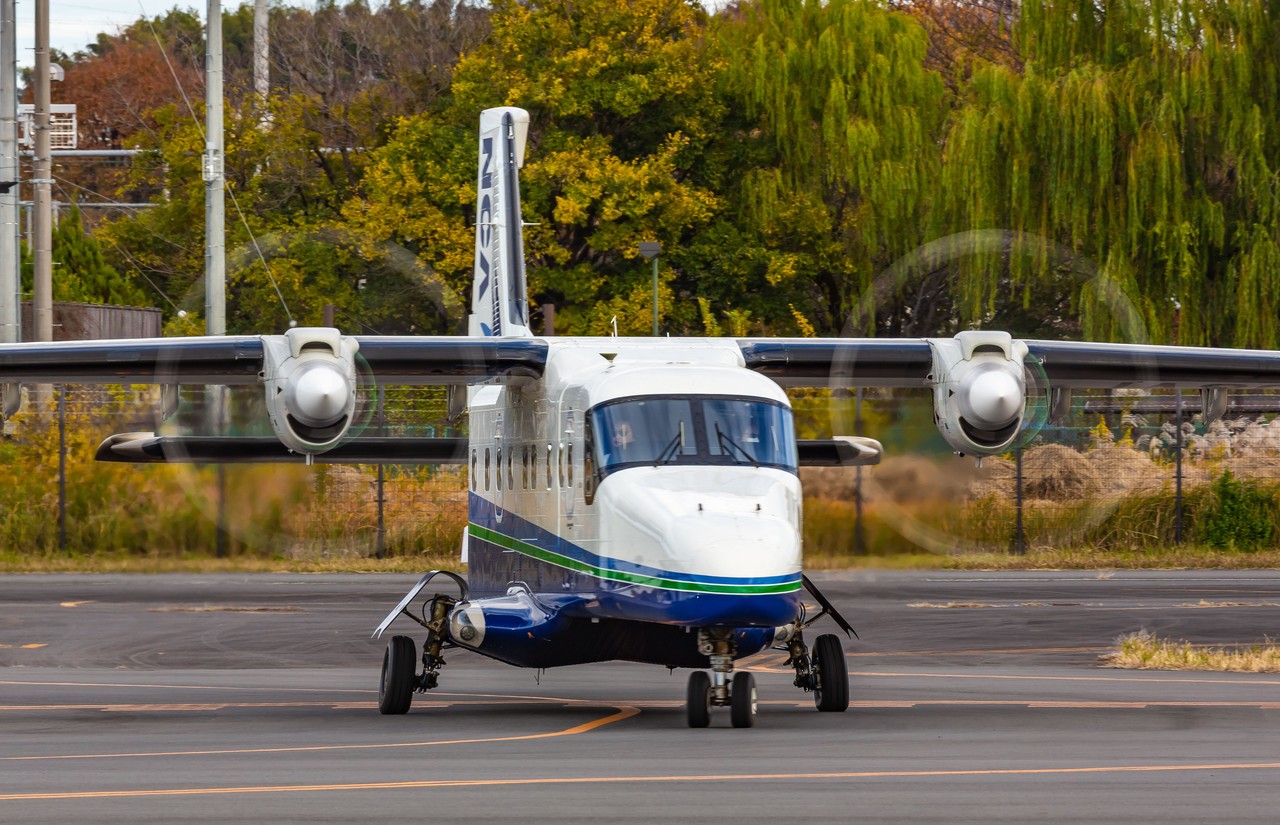
The Dornier 228 carved out a significant niche in regional aviation, with approximately 370 aircraft delivered across multiple production phases spanning four decades. By July 2017, 63 aircraft remained in active airline service worldwide, testament to the type's enduring utility. The aircraft proved particularly valuable for operators requiring access to short, unpaved airstrips in remote locations, with Norwegian commuter airline Norving becoming the first customer when they took delivery of a 228-100 in July 1982.
Commercial operators embraced the 228's flexibility, utilizing it for passenger service, cargo hauling, and specialized missions including maritime patrol and surveillance operations. The aircraft's STOL capabilities allowed it to serve destinations inaccessible to larger regional aircraft, making it indispensable for island-hopping routes and remote community connections.
Military and Government Operations
The Indian military became one of the largest operators of the Dornier 228, utilizing the aircraft extensively for transport, surveillance, and maritime patrol duties. The type's versatility made it suitable for border patrol missions, where its ability to operate from austere airfields proved invaluable. Various air forces and government agencies worldwide adopted the 228 for similar roles, appreciating its reliability and operational flexibility.
Special mission variants included maritime patrol configurations equipped with specialized sensors and communications equipment, allowing the aircraft to serve in coastal surveillance and search-and-rescue operations.
The Manufacturer
Dornier GmbH, founded by Claude Dornier, established itself as a pioneer in German aviation with a legacy spanning flying boats and innovative aircraft designs. The company developed the 228 during the late 1970s as part of its strategy to capture the growing regional aircraft market. However, financial difficulties in the 1990s led to corporate restructuring, with production halting in Germany in 1998 as the company focused resources on the larger Fairchild-Dornier 328.
The program experienced multiple ownership changes, passing from Dornier to RUAG Aviation in 2003, and finally to General Atomics Europe in late 2020. This succession ensured continued production and support for existing operators, with manufacturing resuming in 2009 at the original Oberpfaffenhofen facility near Munich.
International Production
A unique aspect of the Dornier 228 program was its successful technology transfer to India. In November 1983, Hindustan Aeronautics Limited (HAL) acquired production rights, establishing a manufacturing facility in Kanpur, Uttar Pradesh. The first Indian-built aircraft flew in 1985, and HAL subsequently produced 125 examples through 2014. This arrangement created a truly international production program, with German and Indian facilities complementing each other's capabilities.
Engine and Technical Innovation
The Dornier 228 utilized twin Garrett TPE331 turboprop engines, renowned for their reliability and fuel efficiency. The original variants employed TPE331-5 engines, while the modernized 228 New Generation (228NG) introduced in 2007 featured more powerful TPE331-10 powerplants. These Honeywell-manufactured engines provided the thrust necessary for the aircraft's impressive short-field performance.
The high-wing configuration with fixed landing gear simplified maintenance while maximizing cargo loading accessibility. The aircraft's design emphasized ruggedness and operational simplicity, critical factors for operators in developing regions with limited maintenance infrastructure.
The New Generation Revival
RUAG Aerospace breathed new life into the program with the 228NG variant, featuring a modern glass cockpit, five-blade composite propellers, and upgraded systems while retaining the proven airframe. EASA certified the 228NG on August 18, 2010, with the first delivery following in September 2010. This modernization program demonstrated how classic designs could be updated with contemporary avionics and powerplants to meet current operational requirements.
Production Legacy
Production peaked in the mid-1980s when Dornier achieved a rate of three aircraft per month, though the company's ambitious target of 300 aircraft by the end of the 1980s remained unfulfilled. The total production run of approximately 370 aircraft across all variants represented a modest but sustainable market presence, with the type finding particular success in developing nations and specialized mission roles.
Current Status and Museum Preservation
General Atomics Europe continues supporting the worldwide Dornier 228 fleet from the historic Oberpfaffenhofen facility, maintaining the type certificate and providing spare parts support. While production numbers were never massive compared to larger regional aircraft, the 228's specialized capabilities ensure continued relevance for operators requiring STOL performance and operational flexibility.
The aircraft's legacy lives on not only through active operators but also in its demonstration that successful aircraft designs can transcend corporate boundaries and ownership changes, adapting to evolving market requirements while maintaining their fundamental operational advantages.