
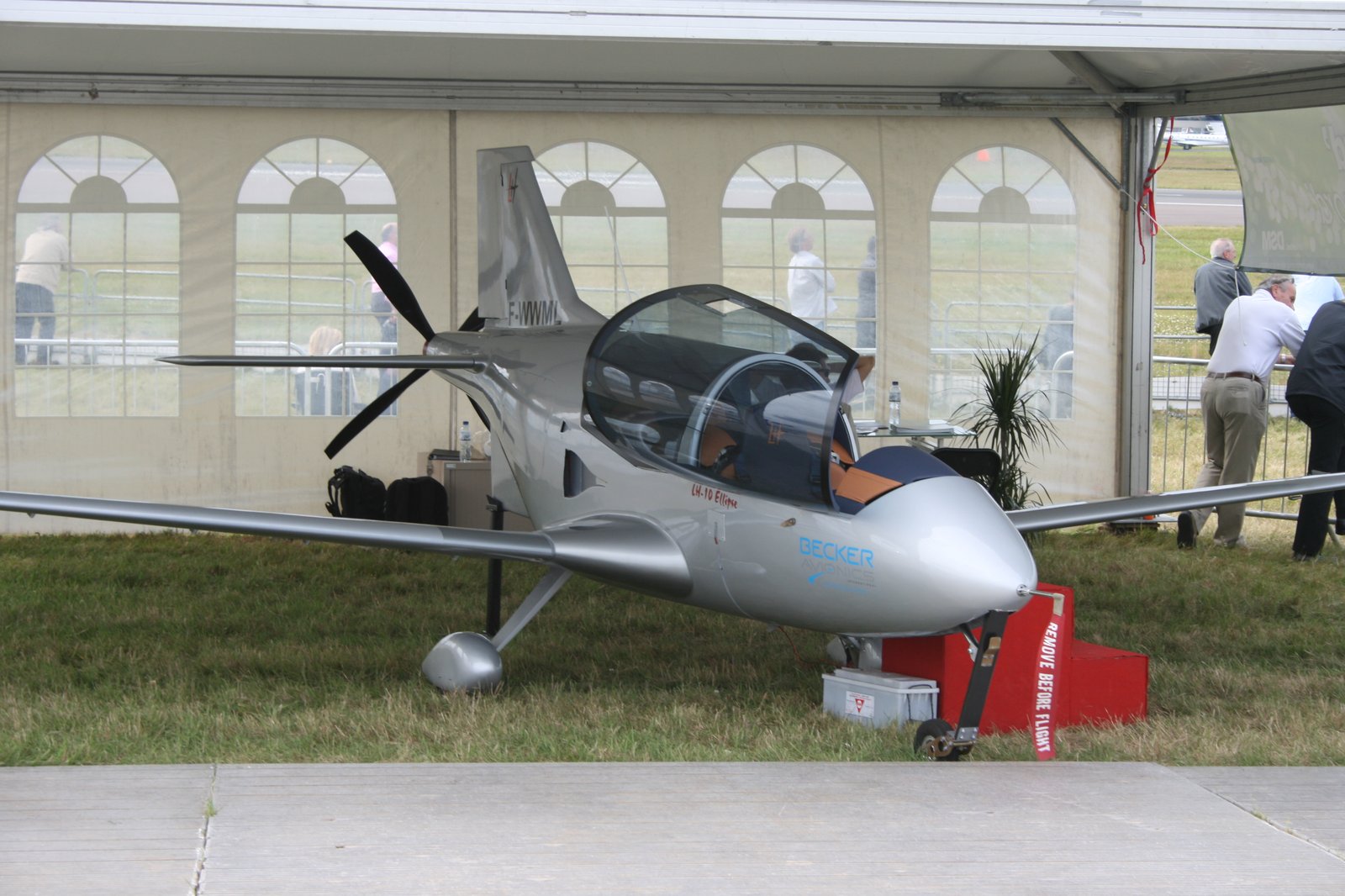
Design Innovation
Dean Wilson's Explorer Ellipse emerged from the homebuilt aircraft movement with a focus on practical transportation solutions for amateur builders. The aircraft's most notable feature—its foldable wing system—addresses a common challenge faced by private aircraft owners: hangar space and transportation costs. This engineering solution allows owners to store the aircraft in conventional hangars or transport it by trailer, significantly reducing operational expenses.
The elliptical wing planform, which gives the aircraft its name, provides excellent aerodynamic efficiency while maintaining docile handling characteristics. This design choice reflects Wilson's emphasis on creating a forgiving aircraft suitable for pilots of varying experience levels.
Construction and Materials
Explorer Aviation engineered the Ellipse using traditional construction methods proven in the homebuilt community. The fuselage structure relies on welded 4130 steel tubing, providing strength and durability while remaining within the skill range of amateur builders. The wooden wing construction, covered in doped aircraft fabric, keeps weight down while maintaining structural integrity.
The company estimated 1,000 hours of construction time from the supplied kit, positioning the Ellipse in the middle range of homebuilt complexity. Float and ski fittings came standard with each kit, reflecting the aircraft's intended versatility for operations from various surfaces.
Performance Characteristics
Powered by the reliable Lycoming O-320 producing 150 horsepower, the Ellipse delivers respectable performance for its class. The aircraft's 150-mile-per-hour cruise speed and 650-mile range make it suitable for cross-country travel, while its 55-mile-per-hour stall speed with flaps retracted provides reasonable short-field capabilities.
With a service ceiling of 15,200 feet and a climb rate of 950 feet per minute, the Ellipse demonstrates adequate performance for flying over moderate terrain. The aircraft's 2,200-pound gross weight allows for a useful load of more than 1,000 pounds, accommodating four adults with baggage for shorter trips.
Explorer Aviation
Based in Grangeville, Idaho, Explorer Aviation operated during the height of the homebuilt aircraft boom in the 1990s. The company focused on the kit aircraft market, targeting builders seeking a practical four-seat design with unique features. By 1998, Explorer Aviation had sold three kits with one aircraft successfully completed and flying.
The limited production numbers reflect the challenges faced by smaller kit manufacturers competing against established companies like Van's Aircraft and Lancair. Market conditions and the specialized nature of the foldable wing system likely contributed to the aircraft's limited commercial success.
Operational History
Federal Aviation Administration records show that four Explorer Ellipse aircraft achieved registration at various times, though only two remained active by December 2013. This attrition rate, while not uncommon in the experimental aircraft category, suggests that some builders may have encountered challenges during construction or operation.
The aircraft's design philosophy emphasized versatility, with provisions for conventional gear operation on land, water with floats, or snow with skis. This adaptability appealed to builders in regions like Alaska or northern Canada, where seasonal landing surface changes demand aircraft flexibility.
Technical Specifications
The Ellipse's strut-braced high-wing configuration provides excellent ground clearance and inherent stability, characteristics valued in utility aircraft. The 128-square-foot wing area yields a wing loading of approximately 17.2 pounds per square foot at gross weight, contributing to the aircraft's gentle handling characteristics.
The enclosed four-seat cabin with doors offers weather protection and comfort levels approaching certified aircraft, distinguishing the Ellipse from open-cockpit or tandem-seat homebuilts. The 41-gallon fuel capacity provides adequate range for the aircraft's intended cross-country mission.
Legacy and Current Status
While the Explorer Ellipse never achieved widespread adoption in the homebuilt community, its innovative foldable wing system demonstrated creative solutions to aircraft ownership challenges. The design's emphasis on practicality over performance reflected one approach to general aviation affordability.
Today, the few remaining Ellipse aircraft represent unique examples of 1990s homebuilt innovation. The aircraft's limited production numbers ensure its status as a rare sight at fly-ins and airports, though its distinctive elliptical wings make it immediately recognizable to knowledgeable aviation enthusiasts.
The Explorer Ellipse stands as a testament to the creativity and ambition of individual designers working within the experimental aircraft community, even when commercial success proves elusive.