
Service History
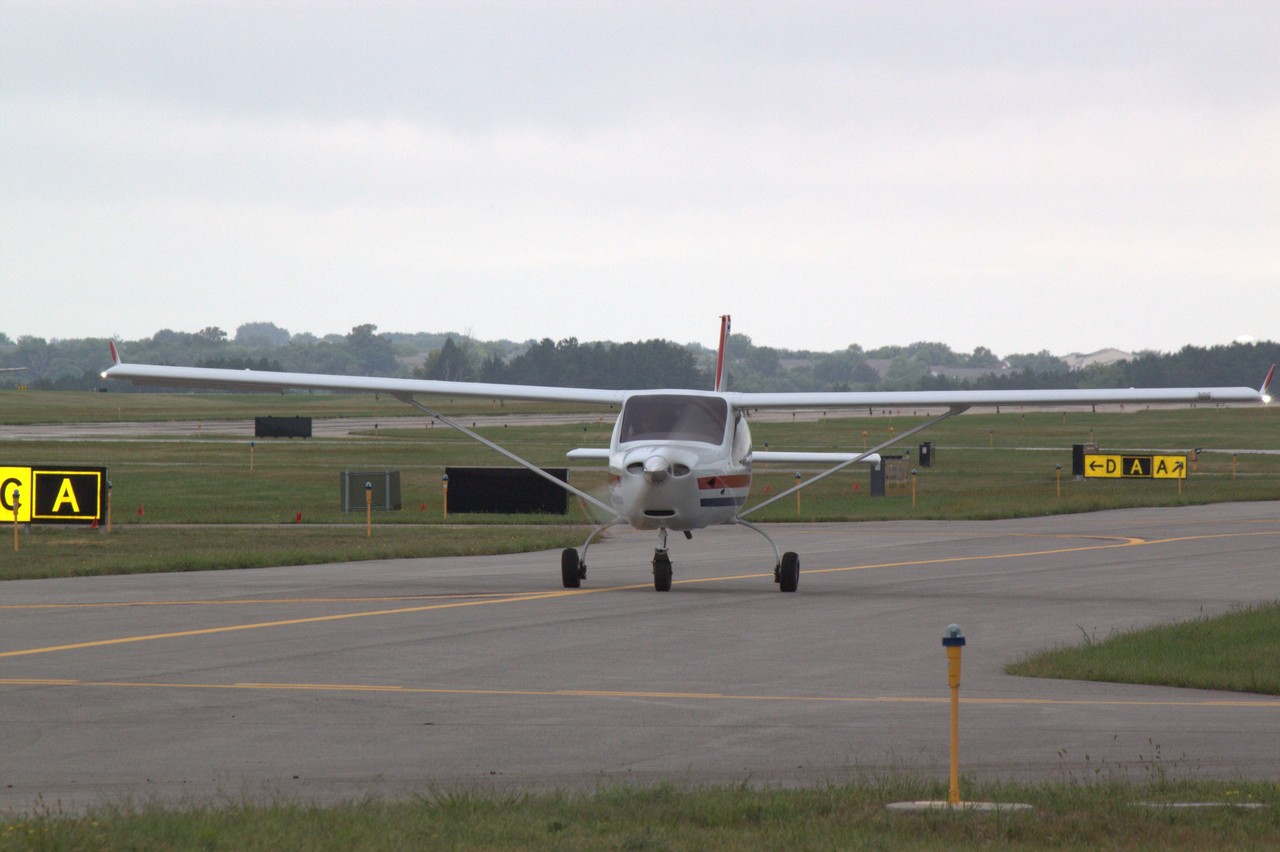
The J160 serves primarily as a trainer and recreational aircraft in the ultralight and light sport aviation markets. Available both as a ready-to-fly aircraft and in kit form, it has found operators across multiple countries through Jabiru's international distribution network. The aircraft's design emphasis on training operations is reflected in features like electrically-operated flaps, mass-balanced elevator controls, and tricycle landing gear with steerable nosewheel and hydraulic disc brakes.
The Manufacturer
Jabiru Aircraft Pty Ltd was established in 1988 by Rodney Stiff and Phil Ainsworth in Bundaberg, Queensland, with the goal of producing affordable light aircraft in both certified and kit configurations. The company's early development was shaped by a critical supply chain disruption when Italian manufacturer American Motor Engineering ceased production of the KFM 112M engine in late 1991, shortly after Jabiru's first model achieved certification in October 1991. This setback prompted the company to begin developing its own powerplants in 1992, leading to the introduction of the Jabiru 2200 engine by 1995.
Over its thirty-year operational history through 2018, Jabiru Aircraft has manufactured more than 2,000 airframes across its model range. The company has established international presence through partnerships and licensing agreements, with aircraft marketed as the Yamamah Y-160 in Middle East and North Africa markets, the Seabird Y-430 in Jordan, and distributed by Skycraft Ltd in the United Kingdom. A specialized J160-D variant is produced exclusively at the company's South African facility as a ready-to-fly aircraft.
Engine & Technical Innovation
The J160's powerplant represents a significant achievement in Jabiru's vertical integration strategy. The Jabiru 2200 is a four-cylinder, horizontally-opposed, air-cooled engine producing 80 horsepower, developed entirely in-house after 18 months of intensive engineering work. This four-stroke piston engine drives a two-bladed fixed-pitch wooden propeller and incorporates an auxiliary electric fuel pump for reliable starting.
The aircraft's construction utilizes ambient-temperature-cured fiberglass and epoxy composite materials throughout the airframe, resulting in reduced maintenance requirements compared to traditional aluminum structures. Design innovations include easily removable engine cowlings for simplified servicing and in-flight adjustable trim for enhanced pilot workload management. The all-composite approach contributes to the aircraft's empty weight of just 661 pounds while maintaining structural integrity for a maximum gross weight of 1,190 pounds.
Performance Characteristics
With its 80-horsepower Jabiru engine, the J160 demonstrates respectable performance figures for its class. The aircraft achieves a cruise speed of 115 mph at altitude, with a stall speed of 52 mph providing a comfortable operating envelope for training operations. Fuel capacity of 36 US gallons enables a maximum range of 1,186 miles, while the service ceiling reaches 15,000 feet with a rate of climb of 500 feet per minute.
Short-field performance capabilities include a takeoff run of 650 feet and landing distance of 546 feet, making the aircraft suitable for operations from smaller airfields. The wing loading of 13.8 pounds per square foot contributes to gentle handling characteristics appropriate for student pilot training, while the 8.04 square meter wing area provides adequate lift generation across the aircraft's weight range.
Production and Variants
The J160 remained in active production as of 2015, with examples bearing construction numbers like c/n 085 delivered in 2012. The J160-C variant represents a refined version of the basic design, while the J170 derivative incorporates a lengthened wing section borrowed from the larger J430 model to improve handling characteristics, climb performance in high-temperature conditions, and landing float behavior.
International manufacturing arrangements have expanded the aircraft's global reach, with assembly and marketing operations established across multiple continents. The company's engine division has achieved particularly broad distribution, with Jabiru powerplants exported to 31 countries and aircraft kits reaching 16 nations.
Legacy and Current Status
The J160 represents Jabiru Aircraft's successful transition from dependence on external suppliers to complete vertical integration of critical components. By developing proprietary engine technology following the 1991 supply disruption, the company achieved greater control over product quality, delivery schedules, and long-term parts support. This self-reliance strategy has enabled sustained production and international expansion over more than two decades.
Examples like VH-JRQ continue operating in Australia and other countries, demonstrating the type's durability and ongoing utility in training and recreational roles. The aircraft's contribution to accessible aviation training, particularly in markets where traditional certified aircraft impose prohibitive operating costs, has helped maintain general aviation activity and pilot development programs worldwide.