
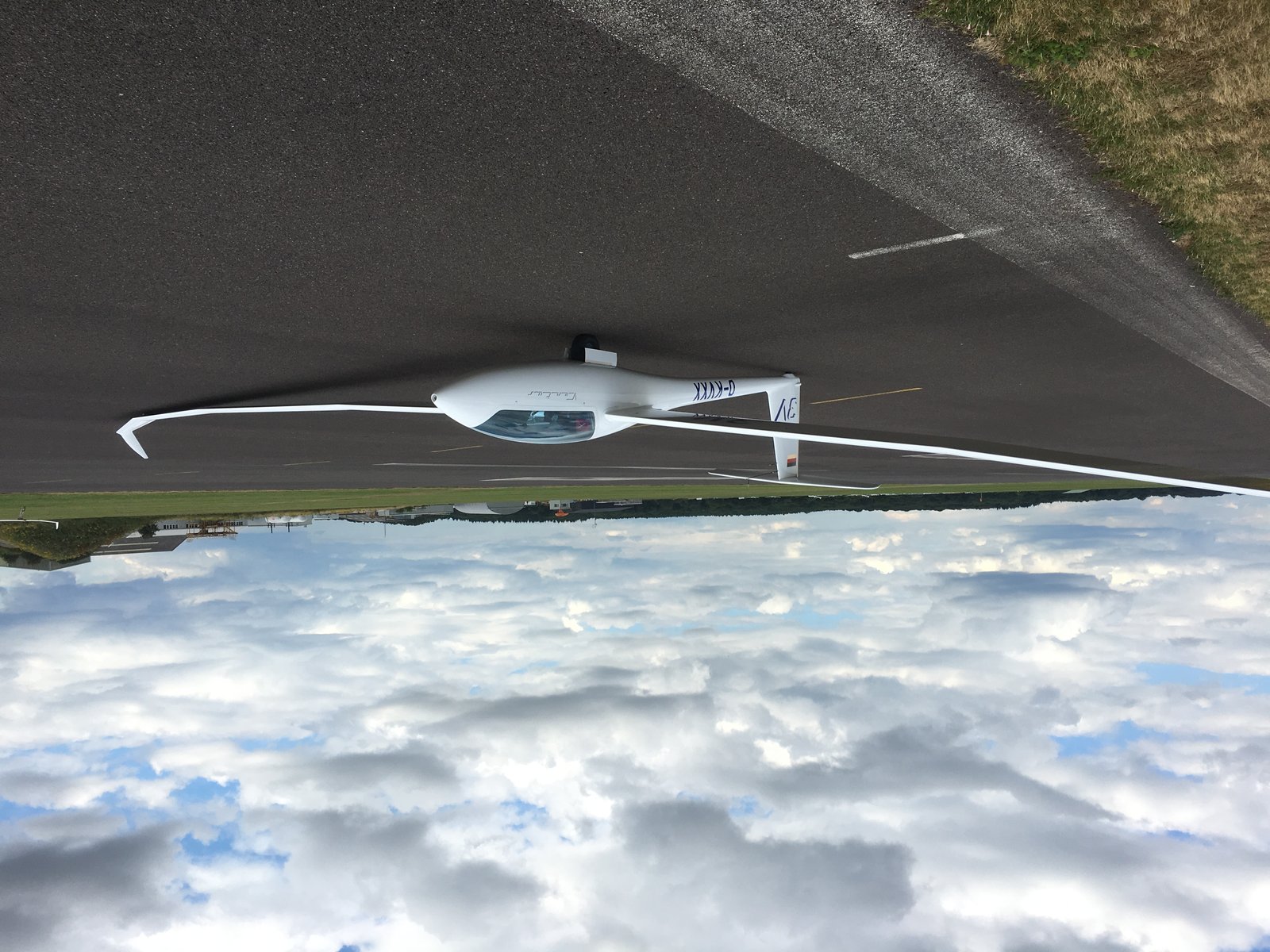
The Jonker JS-3 Rapture is a contemporary high-performance sailplane developed in South Africa for elite competition and cross-country soaring. The aircraft was produced by Jonker Sailplanes, a company established in 2004 by brothers Attie and Uys Jonker. Based in Potchefstroom, the manufacturer focused on creating a versatile glider capable of competing in both the 15 m and 18 m class gliding competitions. The JS-3 Rapture conducted its first flight on December 12, 2016, marking the beginning of its production run.
Designed for maximum efficiency, the JS-3 features full-span flaps and a modular wing design that allows pilots to switch between 15 m and 18 m wingspan configurations. While fundamentally a glider, the aircraft is notable for its optional propulsion systems. The electric variant utilizes a rear electric propulsion (RES) system for self-launching or sustaining flight, though specific motor manufacturer and power output details are not disclosed. In contrast, a separate jet-sustainer version employs a retractable M & D Flugzeugbau MD-TJ42 jet engine, which provides a maximum thrust of 35 daN (42 kg) at sea level with a fuel consumption rate of up to 60 kg/hour.
Technical specifications highlight the aircraft's aerodynamic capabilities. The JS-3 has a length of approximately 6.86 to 6.9 meters and a height of 1.22 meters. Its empty weight is 280 kg in the non-powered configuration, increasing to 297 kg when equipped with an engine. Depending on the specific configuration, the gross weight is cited at 600 kg, with a maximum takeoff weight (MTOW) of 430 kg when excluding water ballast. Performance metrics include a maximum glide ratio of 55:1 at 120 km/h and a best glide speed of 105 km/h at a weight of 450 kg. The minimum rate of sink is 0.49 m/s, while at maximum allowable underweight (MAUW), the sink rate is 1.43 m/s at 200 km/h.
Production of the JS-3 has remained steady since its debut. As of October 2023, reports indicated that 200 units had been built, while a subsequent statement from Jonker Sailplanes increased the total production count to 212 gliders. The aircraft has established a strong presence in international soaring, particularly at the World Gliding Championships, cementing its legacy as a significant contribution to modern sailplane design.