
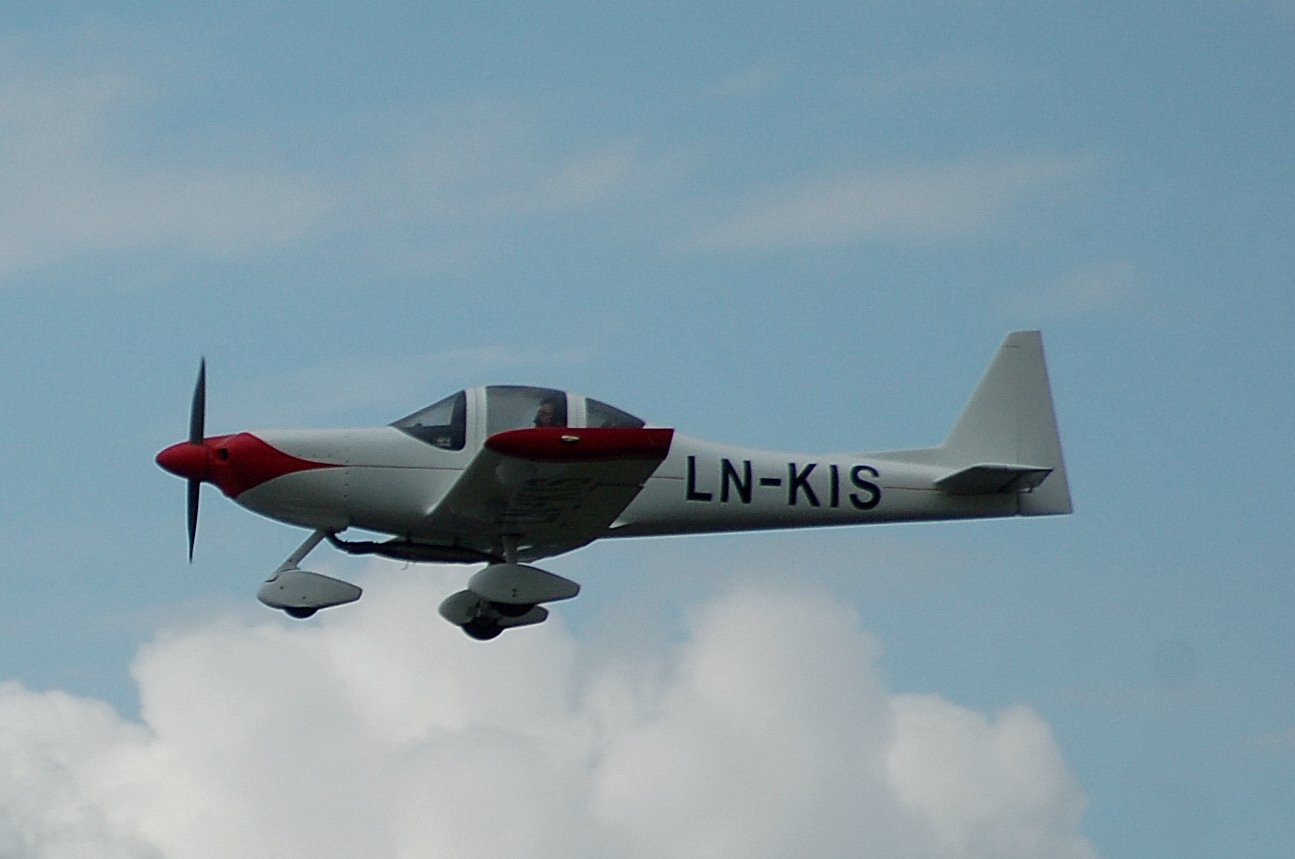
Design Innovation and Development
The TRI KIS emerged during a pivotal period in experimental aviation when homebuilders demanded both high performance and construction simplicity. Designer Randy Abeille, working through his company Tri-R Technologies in Eureka, Illinois, developed the aircraft with specific objectives: achieve over 200 mph cruise speeds using relatively modest 100-125 horsepower engines while keeping build times under 500 hours. The design incorporated innovative hybrid construction, combining aluminum wing spars with composite nose sections and wingtips to optimize both weight and manufacturing complexity.
Abeille's engineering approach reflected influence from Van's Aircraft designs but introduced unique elements that set the KIS apart. The aircraft featured a distinctive bubble canopy that provided exceptional visibility for both occupants, while the retractable landing gear system offered performance advantages typically found in more complex aircraft. The side-by-side seating configuration proved popular among builders who intended to use their aircraft for cross-country travel with passengers.
Manufacturing and Production History
Tri-R Technologies began kit production in the late 1980s, marketing the aircraft to amateur builders seeking high-performance alternatives to slower, fixed-gear designs. The company positioned itself within the growing experimental aircraft market by emphasizing affordability and construction simplicity. Unlike larger kit manufacturers, Tri-R operated as a smaller enterprise focused on Randy Abeille's specific design vision rather than expanding into multiple aircraft types.
Production continued through the early 1990s, with the company selling kits primarily within the United States. Historical records indicate at least 20-30 examples reached flying status, though exact production numbers remain unclear due to the informal nature of many kit aircraft records. The company's operations reflected typical patterns within the homebuilt industry, where individual designers often struggled to maintain long-term business viability despite producing technically successful aircraft.
Engine Specifications and Performance
Most TRI KIS aircraft utilized proven Lycoming powerplants, specifically the O-235 producing 115 horsepower or the larger O-320 generating 150-160 horsepower. Some builders selected Continental O-200 engines as alternatives. These air-cooled, four-cylinder engines provided the reliability essential for single-engine aircraft while delivering sufficient power to achieve the design's ambitious performance targets.
With typical engine installations, the aircraft demonstrated cruise speeds of 190 mph and maximum speeds reaching 210 mph. The design achieved a service ceiling of 20,000 feet with climb rates of 1,500 feet per minute, performance figures that rivaled certified aircraft costing significantly more. Range capabilities extended to 800 nautical miles, making the KIS suitable for serious cross-country travel despite its homebuilt origins.
Company Decline and Legacy
Tri-R Technologies' operations effectively ended in the mid-1990s following Randy Abeille's death, a pattern unfortunately common among smaller kit aircraft manufacturers heavily dependent on their founders' technical expertise and business leadership. The company had operated for approximately eight years, from 1987 to 1995, without experiencing the mergers or acquisitions that affected larger manufacturers in the experimental aircraft industry.
Following Tri-R's closure, aircraft plans and support transferred informally to builder networks and type clubs, a common occurrence that allows discontinued designs to survive through enthusiast communities. This grassroots support system has enabled existing aircraft to remain airworthy and occasionally permits new construction projects, though at much reduced rates compared to active commercial production.
Current Status and Preservation
Approximately 10-15 TRI KIS aircraft remain airworthy worldwide as of recent surveys. In the United Kingdom, aircraft G-BZDR participated in the 2022 Barton LAC Centenary fly-in, demonstrating the type's continued appeal among enthusiasts who appreciate its combination of performance and distinctive design characteristics. Additional examples appear in Federal Aviation Administration registries within the United States, though many experimental aircraft experience irregular operation patterns.
The aircraft has not achieved sufficient historical significance for major museum preservation, reflecting its relatively brief production period and limited impact on aviation development. However, the design represents an important example of late 1980s homebuilt innovation, particularly the early adoption of composite-metal hybrid construction techniques that would later become standard practice in experimental aircraft manufacturing.
Historical Impact
While never achieving the commercial success of designs like Van's RV series, the TRI KIS contributed to the broader evolution of homebuilt aircraft during a crucial development period. The design demonstrated that small manufacturers could create sophisticated aircraft incorporating advanced features like retractable landing gear and composite construction while maintaining reasonable complexity for amateur builders. This approach influenced subsequent kit aircraft development, particularly the integration of different materials to optimize performance and construction efficiency.