
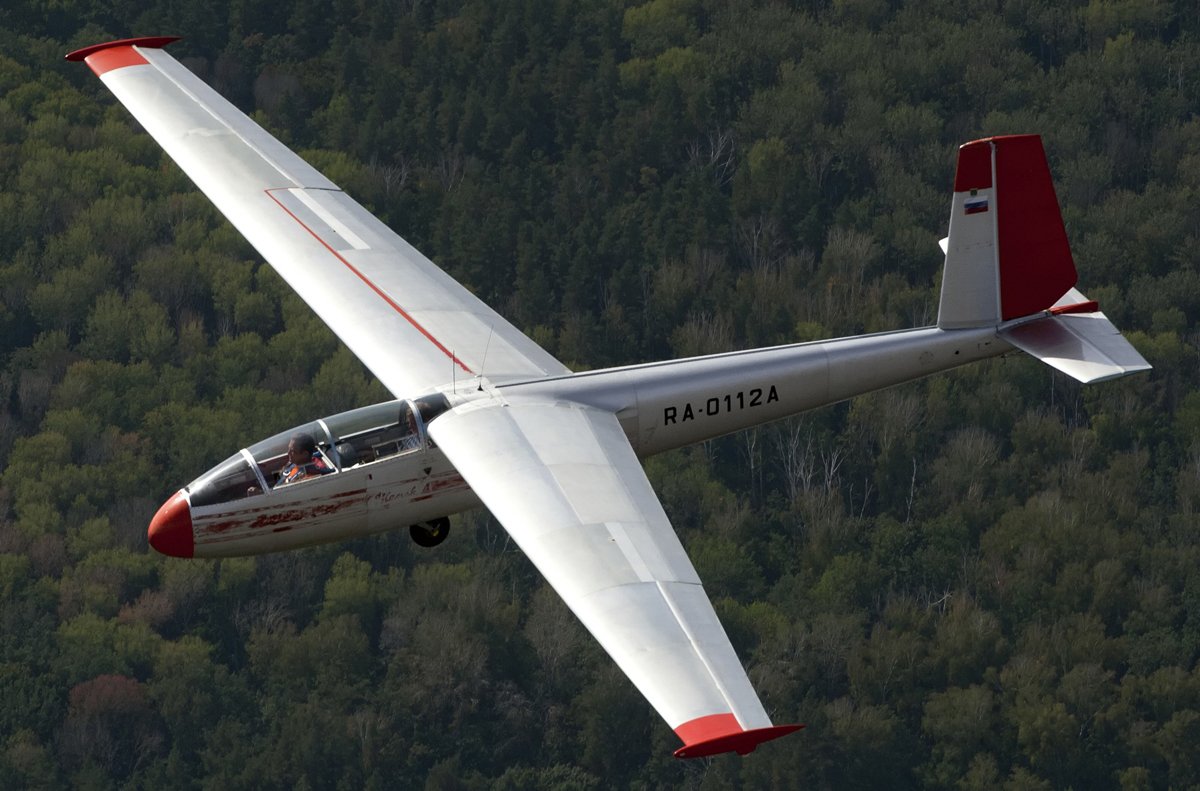
Dominance in Global Aviation Training
The L-13 Blaník achieved unprecedented success in the gliding world, with more than half of all gliding clubs worldwide operating the type by the 1970s. The aircraft was extensively exported throughout the Soviet bloc and to Western Europe and North America, becoming the stalwart training aircraft for civilian soaring organizations across multiple continents. In the United States Air Force Academy, the type served as the TG-10C Kestrel advanced trainer from 2002 to 2012, training countless military pilots in fundamental soaring techniques.
Revolutionary Design Innovation
Designed by Karel Dlouhý of VZLÚ Letňany around 1956, the Blaník represented a radical departure from traditional glider construction. While most contemporary sailplanes relied heavily on wood and fabric construction, Dlouhý created an all-metal aircraft with only the elevator and rudder surfaces covered in fabric. The design built upon experience gained with the Letov XLF-207 Laminar, incorporating proven NACA laminar flow wing profiles in a forward-swept configuration that enhanced handling characteristics and structural efficiency.
The single-spar wing construction utilized DFS spoilers on both upper and lower surfaces, providing excellent speed control during approach and landing phases. The semi-retractable undercarriage featured oleo-pneumatic shock absorption, making the aircraft suitable for operations from rough grass airfields common at gliding sites worldwide.
LET Kunovice Manufacturing Legacy
LET Kunovice, located in the southeastern Czech Republic, established itself as Europe's premier glider manufacturer through the Blaník program. The company began production in 1958, two years after the prototype's maiden flight, and maintained consistent manufacturing output for 24 years. The facility in Kunovice became the center of Eastern Bloc glider production, with aircraft delivered to operators in over 40 countries during the peak production years of the 1960s and 1970s.
The company's manufacturing expertise extended beyond the basic L-13, producing numerous variants including powered versions and specialized training configurations. This diversification allowed LET Kunovice to maintain market dominance even as competing designs emerged from Western manufacturers.
Powered Variants and Engine Integration
While the majority of Blaníks operated as pure gliders, several powered variants expanded the type's operational capabilities. The L-13J, first flown in March 1968, featured a 42-horsepower Jawa three-cylinder engine mounted on struts above the wing spar. This installation, using an engine from the motorcycle manufacturer Jawa, provided self-launch capability while maintaining the aircraft's primary gliding characteristics.
The L-13 Vivat touring variant offered more substantial power options, including the Walter Mikron IIIAE four-cylinder inline engine producing 76 horsepower, or the Limbach L2000 horizontally-opposed powerplant. The most unusual variant, the L-13TJ, incorporated a TJ100C jet engine specifically for takeoff assistance, though this version remained largely experimental.
Operational Excellence and Pilot Appeal
Pilots praised the Blaník for its forgiving handling characteristics and exceptional durability in training environments. The aircraft's maximum speed of 149 miles per hour provided adequate performance for cross-country soaring, while its docile stall characteristics made it ideal for basic instruction. The spacious cockpit accommodated pilots of varying sizes, and the aircraft's stability in thermal conditions made it particularly suitable for soaring instruction in mountainous regions.
The type established numerous records for two-seat sailplanes during the 1960s, particularly in Soviet Union operations where pilots used the aircraft's cross-country capabilities to achieve significant distance flights. Its 500-kilogram maximum takeoff weight allowed for full fuel loads in powered variants or extended cross-country equipment in glider configuration.
Safety Concerns and Service Life Extension
In June 2010, a wing spar failure in Austria prompted worldwide grounding of the Blaník fleet pending comprehensive inspections. The preliminary investigation revealed metal fatigue as the probable cause, leading to manufacturer-issued emergency bulletins restricting all aircraft to non-aerobatic operations following inspection. This incident highlighted the challenges of maintaining aircraft originally designed for a 3,000-hour service life but often operated well beyond this limit.
The Llewellyn Modification program addressed these concerns by extending certified service life to 12,000 flying hours through comprehensive structural rebuilding. However, the extensive nature and cost of this modification program limited its adoption, with many operators choosing to retire older aircraft rather than pursue the expensive rebuild process.
Enduring Global Legacy
Despite production ending in 1982, the L-13 Blaník continues operating at gliding sites worldwide, testament to its fundamental design excellence and structural durability. The aircraft's record as the most numerous glider design of the post-war era remains unchallenged, with its influence visible in subsequent trainer aircraft development. From Australian Air Cadet operations to European club flying, the Blaník's distinctive silhouette remains synonymous with gliding instruction and recreational soaring across six decades of continuous service.