
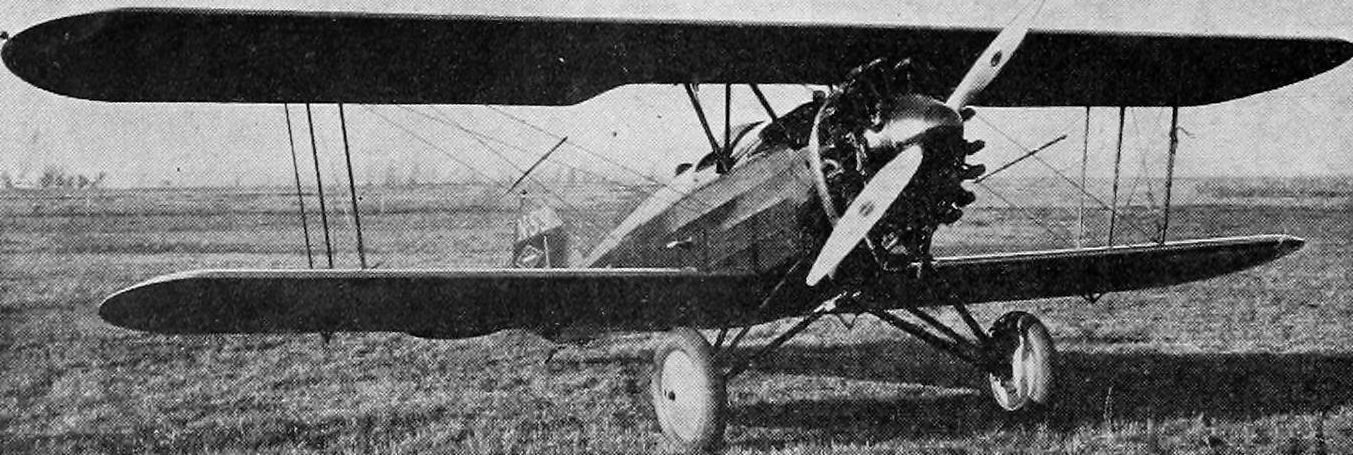
The Laird LC-B Commercial was a mid-1920s American single-engine utility biplane developed by the E. M. Laird Airplane Company. Designed under the leadership of founder Emil Matthew “Matty” Laird, the LC-B is recognized as the first production aircraft created by the firm and is described as the first commercial aircraft to be mass-produced within its specific general aviation and feeder-airline niche. Production took place in Wichita, Kansas, beginning around 1925 and continuing into the late 1920s. Approximately 43 examples of the aircraft were built, marking a significant step in the early standardization of commercial aircraft manufacturing in the United States.
Designed for versatility, the LC-B was marketed as a commercial utility aircraft capable of handling passenger transport, mail delivery, and general charter work. It featured a robust, open-cockpit configuration suited for the demanding short-route operations of the era. While specific technical specifications such as wingspan and maximum speed are not documented in available records, the aircraft was typically powered by water-cooled or air-cooled piston engines in the 200–300 hp class. The LC-B and its close relative, the LC-R, were frequently utilized for revenue-earning flights, which led to the series being referred to simply as "Commercials."
In civil service, the LC-B played a role in the early development of American regional aviation. It was utilized by Northwest Airways (the predecessor to Northwest Airlines) as part of its early fleet for operations in the U.S. Upper Midwest. Beyond scheduled airline service, the aircraft found use in various utility roles; for instance, one LC-series aircraft was documented in Wisconsin as late as 1939 hauling fish. The type also gained fame through aerobatic exhibitions. In 1928, pilot Charles “Speed” Holman used an LC-B to set a notable record by performing 1,073 consecutive inside loops.
The legacy of the LC-B is tied to the industrial growth of Wichita, Kansas, as a hub for aircraft manufacturing. Although the E. M. Laird Airplane Company eventually ceased to exist through various reorganizations and mergers by the early 1930s, its early production efforts paved the way for subsequent firms in the region. While no specific LC-B airframes are currently listed in major public museum collections, the aircraft remains historically significant as a precursor to the modern commercial aviation industry.