
Design Origins and William Morrisey's Vision
The Kachina's story begins with William J. Morrisey, a former Douglas Aircraft Company test pilot who had flown most of Douglas's fighters, bombers, and transports, including President Truman's VC-118. Starting as a riveter at Douglas in 1937, Morrisey eventually became chief test pilot at their Long Beach plant. His aviation experience during World War II inspired him to create an attractive, affordable two-seat sport plane that would appeal to returning military pilots seeking the "sheer fun of flying."
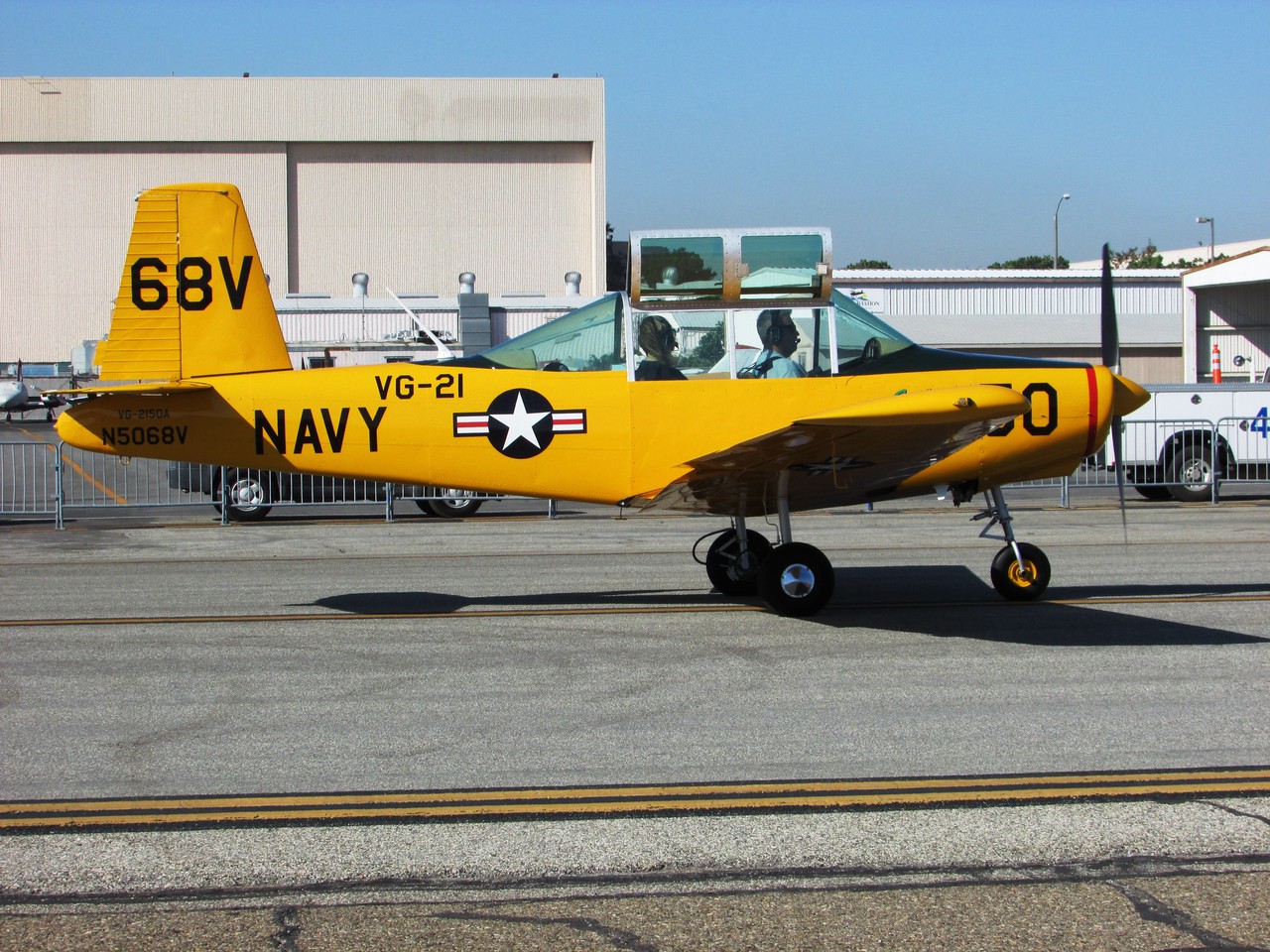
Morrisey's initial design, dubbed the "Nifty," was a fabric-covered, welded steel frame tandem two-seater powered by a Continental C-65 engine, later upgraded to a C-90. He evolved this concept into an all-metal aircraft with a 150-horsepower Lycoming O-320 engine, designating it the Morrisey 2150 (Model 2, 150-horsepower). The aircraft received certification in late 1955 with its distinctive metal wing and tail configuration.
Three Manufacturers, One Design Legacy
The aircraft's production history spans three distinct companies across nearly three decades. Morrisey Aviation Inc. launched production in July 1958, building 10 aircraft before William Morrisey sold the production license to Clifford Shinn in 1960. Shinn Engineering Inc., based in Santa Ana, California, manufactured approximately 35 to 50 examples of the improved Shinn 2150A during the early 1960s, featuring the Lycoming O-320-A2C engine before ceasing production in 1962.
In 1967, George Varga acquired both the type certificate from Morrisey and the tooling from Shinn, establishing Varga Aircraft Corporation. After a seven-year development period, Varga began manufacturing the 2150A Kachina in 1974 at his Chandler, Arizona facility. The company produced over 100 aircraft during its eight-year production run, which ended in 1982. Varga also developed a more powerful variant, the 2180 Kachina, equipped with a 180-horsepower Lycoming O-360 engine that pilots described as "a bit of a muscle car with wings."
Technical Excellence and Performance
The Varga 2150A Kachina combined practical design with impressive performance capabilities. Its chrome molybdenum steel tube fuselage featured removable metal side and bottom panels for quick maintenance inspections. The cantilever low-wing configuration incorporated plain ailerons and two-position trailing-edge flaps, while the non-retractable tricycle landing gear provided stable ground handling characteristics.
With a gross weight of 1,817 pounds and empty weight of 1,125 pounds, the Kachina achieved a top speed of 148 miles per hour and cruise speed of 130 miles per hour. The aircraft demonstrated exceptional climb performance at 1,450 feet per minute and could reach a service ceiling of 22,000 feet. Its 35-gallon fuel capacity provided a range of 525 miles, while short-field performance included takeoff and landing distances over a 50-foot obstacle of just 440 and 450 feet, respectively.
Training and Sport Aviation Role
The Kachina's tandem seating arrangement, reminiscent of military trainers, made it ideal for both sport flying and flight instruction. Dual controls came as standard equipment, enabling its use in training operations alongside private recreational flying. The left-opening canopy provided easy cockpit access, while the 52-mile-per-hour stall speed offered forgiving handling characteristics for student pilots.
A tailwheel variant designated 2150TG expanded the aircraft's appeal to pilots preferring conventional landing gear configuration. The design's combination of reasonable acquisition cost and engaging flight characteristics attracted pilots seeking an alternative to the increasingly standardized training aircraft market.
Cultural Significance and Naming
George Varga chose the name "Kachina" in reference to Pueblo Indian spirit gods, reflecting his cultural interests and the aircraft's Arizona manufacturing location. This naming convention distinguished the Varga-built aircraft from its Morrisey and Shinn predecessors while emphasizing its southwestern heritage.
Limited Production and Current Status
Across all three manufacturers, fewer than 200 total aircraft were completed during the design's complete production history. This limited production run has made surviving examples increasingly rare in the general aviation community. Documented examples, including a 1978 Varga 2150A with 1,810 airframe hours, have been maintained with modern avionics including Garmin GPS and ADS-B equipment, demonstrating the type's continued viability.
Montanair, Incorporated of Kalispell, Montana currently owns the tooling and type certificate, though the company has announced no definite production plans. The Kachina's legacy endures as a successful evolution from post-war aviation dreams into a practical, affordable aircraft that provided accessible civilian flying opportunities for a generation of pilots seeking alternatives to standard training aircraft.