
Development and Design Origins
Robert "Bob" Bushby acquired the rights to David Long's 1948 Midget Mustang design in 1959, along with the original tooling and form blocks that would become foundational to his two-seat derivative. Beginning development in 1963, Bushby aimed to transform the single-seat racer into a side-by-side sports plane without sacrificing the aerobatic performance and speed that made the Midget Mustang renowned among homebuilders.
The design challenge centered on maintaining the Midget Mustang's exceptional speed while accommodating two occupants. Bushby retained the cantilever wing structure but modified the fuselage configuration, implementing a zero-dihedral center section with 5 degrees of dihedral on the outer wing panels. This engineering solution preserved the aircraft's low-drag characteristics while providing the structural foundation for the enlarged cockpit.
First Flight and Early Recognition
The prototype Mustang II, registered as N1117M, made its maiden flight on July 9, 1966, following extensive ground testing and refinement. Remarkably, Bushby had displayed the incomplete aircraft at the 1965 EAA Rockford convention, transporting it by trailer to generate interest among potential builders. The following year, he flew the completed prototype to the same event, marking its public debut and establishing its reputation within the experimental aircraft community.
The aircraft's performance immediately validated Bushby's design approach. Powered by a Lycoming O-320 engine producing 160 horsepower—an upgrade from the initially planned O-290—the Mustang II demonstrated cruise speeds approaching 200 mph, exceptional for a homebuilt aircraft of its era.
Production and Manufacturing Evolution
Bushby Aircraft began offering plans and components in 1966, initially estimating build times of 1,200 hours over two years at a cost of approximately $13,000 in 1983 dollars. Reality proved more demanding, with actual construction times often tripling the estimate. One documented example required 3,502 hours by its completion in June 1998, reflecting the precision demanded by the all-metal construction and performance-oriented design.
Robert Bushby continued developing and supporting the design until 1992, when he sold the rights to both the Midget Mustang and Mustang II to Mustang Aeronautics, led by Chris Tieman. The new company, based in Pahrump, Nevada, refined the offering into advanced assembly packages designed to reduce build times while maintaining the aircraft's performance characteristics. This transition marked a significant improvement in kit quality and builder support.
Technical Innovation and Performance
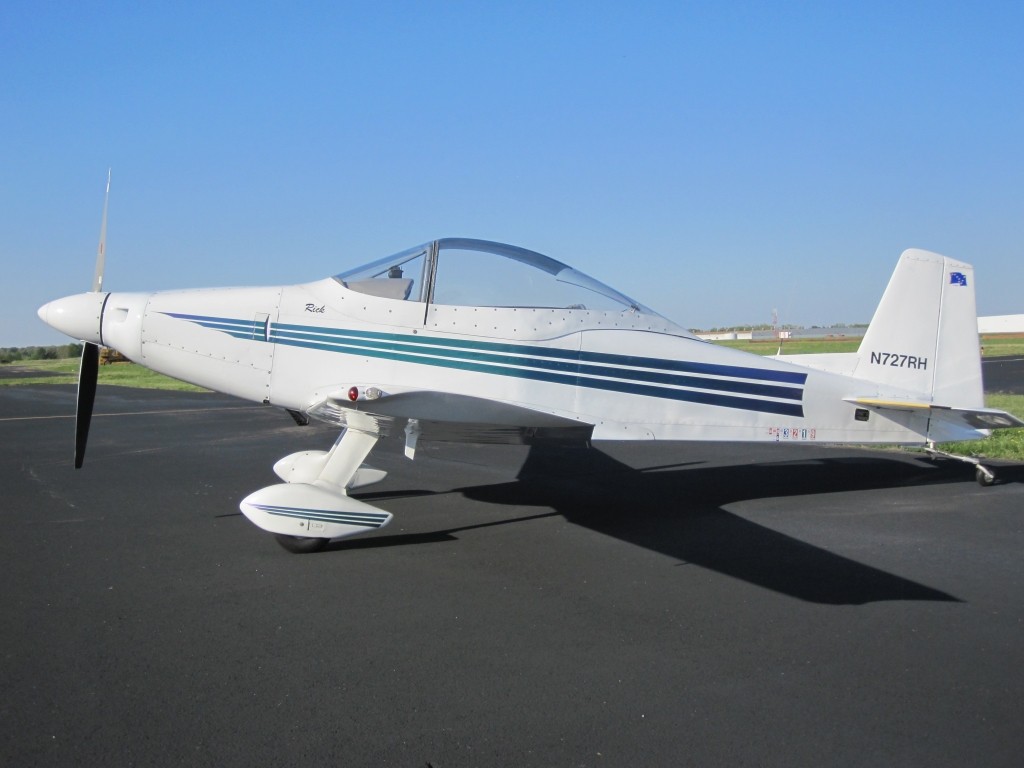
The Mustang II incorporated several advanced features uncommon in homebuilt aircraft of the 1960s. Early examples featured wet wings for fuel storage, optional tip tanks for extended range, and provisions for retractable landing gear. The bubble canopy design, similar to those used on Thorp T-18 aircraft, provided excellent visibility while maintaining the sleek profile essential to the aircraft's speed.
Engine options evolved beyond the original O-320, with builders frequently installing Lycoming O-360 engines or equivalents producing up to 200 horsepower. The airframe's robust construction supports aerobatic operations, with some examples logging more than 3,000 flight hours and the overall fleet accumulating over 100,000 hours of service.
Recognition and Awards
The Mustang II achieved significant recognition within the experimental aircraft community, earning Grand Champion awards at EAA AirVenture (formerly the EAA Fly-In) in both 1981 and 1999. Larry Kinder's aircraft claimed the 1981 honor, while Phil Funk's example took the 1999 title, demonstrating the design's enduring appeal and the craftsmanship achievable by dedicated builders.
These awards reflected not only the aircraft's performance capabilities but also the quality of construction possible with careful attention to the plans and components provided by the manufacturer.
Current Status and Legacy
More than 400 Mustang II aircraft have been completed worldwide as of 2011, with some estimates placing the number above 480. Mustang Aeronautics continues manufacturing kits and components as of 2015, supporting both new construction and maintenance of existing aircraft. The original prototype, N1117M, underwent restoration by the current owners of Mustang Aeronautics, preserving this significant example for future generations.
The Mustang II's legacy extends beyond its production numbers to its influence on homebuilt aviation. As one of the earliest high-performance, all-metal kit aircraft available to amateur builders, it established performance benchmarks and construction techniques that influenced subsequent designs. The aircraft proved that homebuilders could achieve airline-level cruise speeds while maintaining the aerobatic capabilities and classic aesthetics that define sport aviation.
Today, Mustang II aircraft continue operating from airports worldwide, testament to both the soundness of Bushby's original design and the dedication of the builders who transformed plans and raw materials into these exceptional flying machines.