
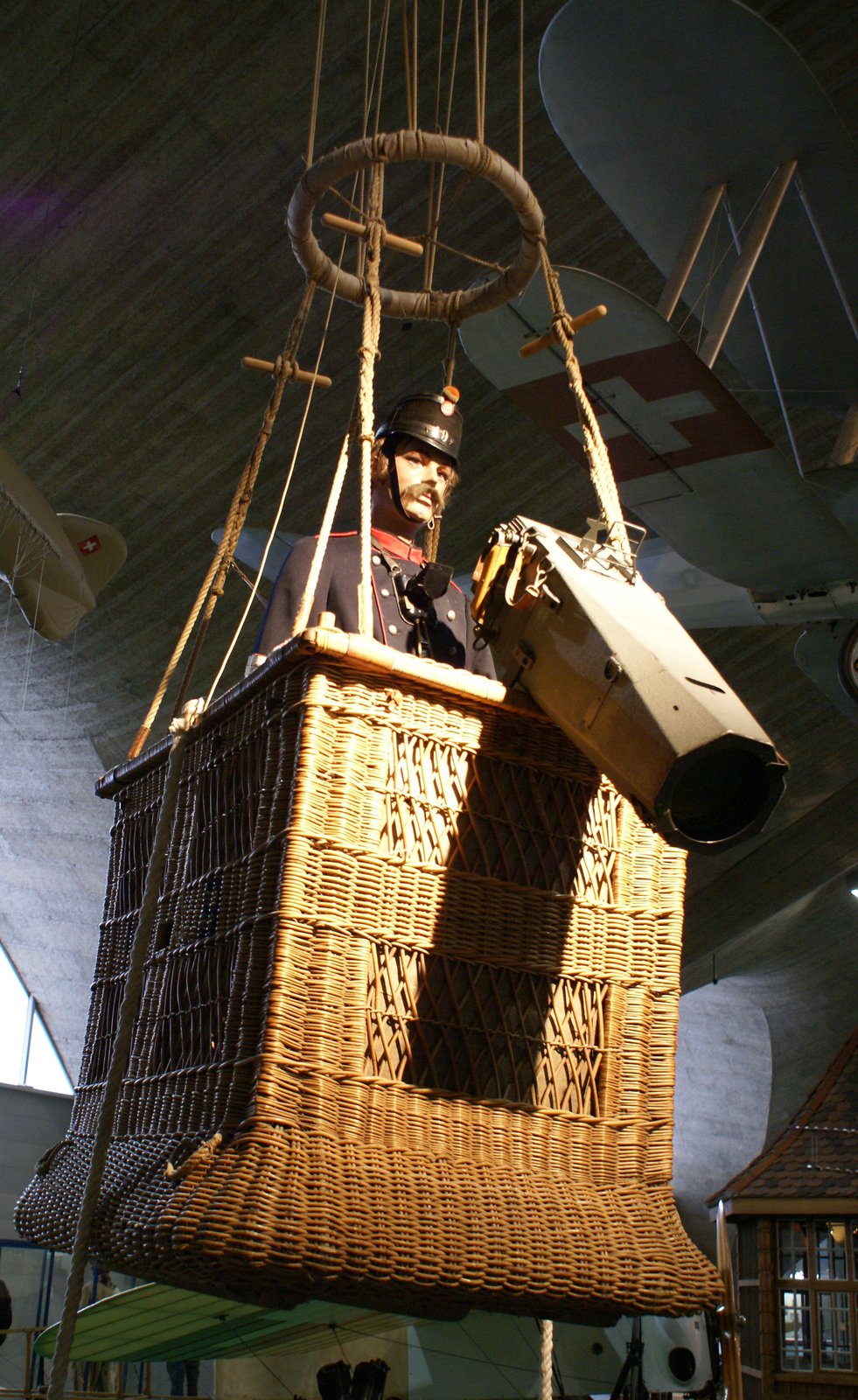
The ICAO aircraft type designator OBSR serves as a generic functional label for observation balloons rather than a specific aircraft model. Because this code encompasses a wide variety of lighter-than-air platforms produced by numerous nations and firms over a century, it is not tied to a single manufacturer or design. One of the most historically significant examples of this class is the Caquot Type R, a tethered observation balloon designed by French engineer Lt. Albert Caquot.
Designed for stability in higher winds, the Caquot Type R featured an aerodynamic shape and a specific fin arrangement that surpassed earlier spherical or sausage-shaped designs. These balloons were filled with hydrogen gas and operated as unpowered platforms, typically maintaining altitudes between 1,000 and 4,000 feet. From these heights, observers could monitor enemy activity up to 40 miles behind front lines. The technical specifications for the Type R include a length of 92 feet, a diameter of 32 feet, and a gas capacity of 32,200 cubic feet of hydrogen. The platform could support up to two observers along with necessary communications and charting equipment, as well as the weight of the mooring cable.
During World War I, the Caquot Type R was the primary observation balloon used by American forces. Between 1918 and 1919, nearly 1,000 of these balloons were manufactured in the United States. Their operational impact was substantial; American observers utilized them to report over 1,000 enemy aircraft sightings, 1,000 instances of road and rail traffic, and the location of 400 artillery batteries. The balloons were essential for directing artillery fire and mapping enemy trench systems.
Beyond World War I, the design saw continued use. The United Kingdom produced Caquot balloons in limited numbers during World War II, including a specific example manufactured in 1944. These later units were employed for non-combat aerial photography and as platforms for parachute testing, with some remaining in service until 1960. Today, the National Museum of the United States Air Force holds a 1944-built Caquot Type R, which is believed to be the only surviving example of its type, though it is currently held in storage as it is no longer structurally sound for display.