
Development and Design Innovation
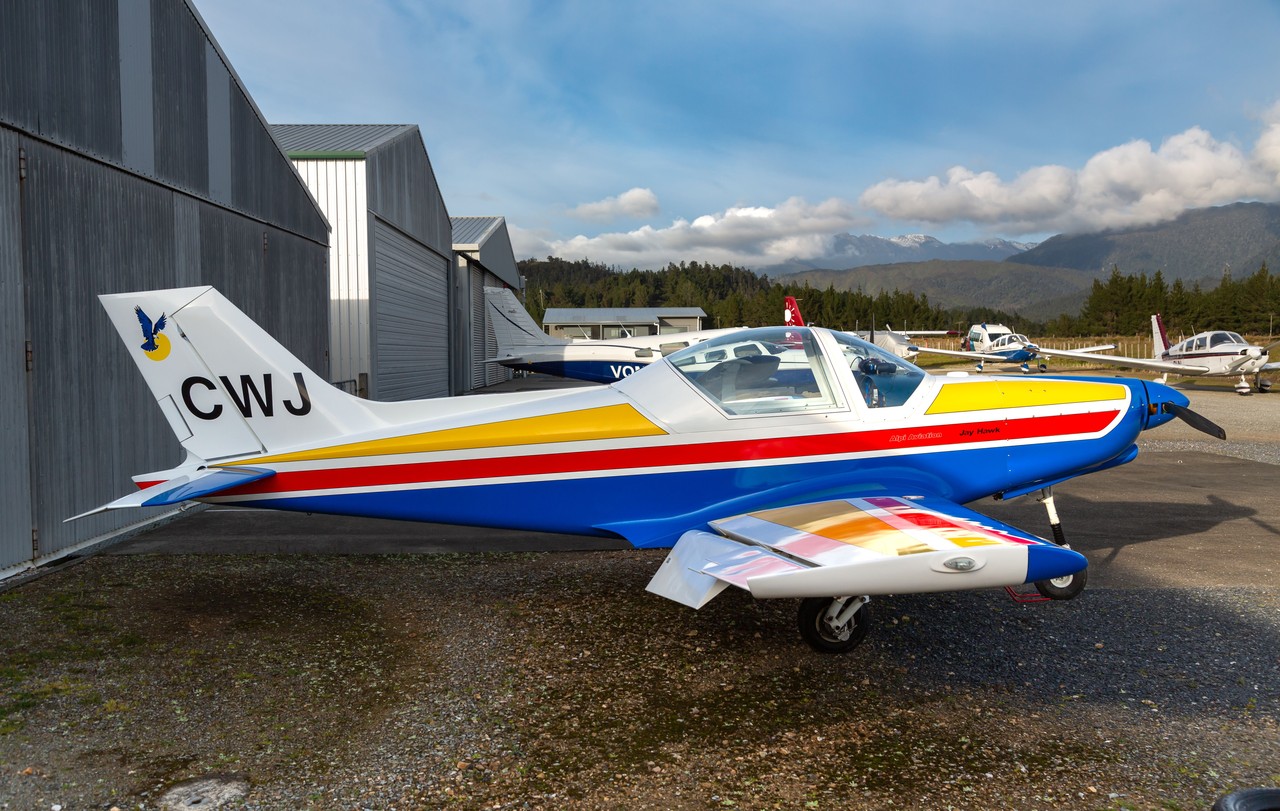
The Pioneer 300 emerged from the established Asso V Champion design by renowned Italian aircraft designer Stelio Frati, marking a significant advancement in ultralight aviation technology. Alpi Aviation, formally established in 1999 in Pordenone, Italy, built the first Pioneer 300 in 1998, creating an aircraft that bridged the gap between traditional ultralight simplicity and modern aircraft sophistication. The design incorporated features rarely seen in the ultralight category, including retractable landing gear, composite construction, and a sleek bubble canopy that provided exceptional visibility.
The aircraft's wooden frame construction covered with composite skin panels represented a hybrid approach that balanced weight, strength, and manufacturing cost. The cantilever low-wing configuration with tapered planform delivered aerodynamic efficiency that translated into impressive performance figures for an aircraft in the 500-kilogram maximum takeoff weight category.
Production Success and Global Reach
Alpi Aviation's aggressive expansion strategy proved remarkably successful, with more than 800 aircraft sold to customers in 22 countries by 2024. The company achieved ISO 9001 certification in 2005, establishing quality standards that supported international sales growth. In 2006, Alpi opened a second production facility in Croatia, expanding manufacturing capacity to meet growing demand across Europe and North America.
The Pioneer 300's appeal stemmed from its compliance with both Fédération Aéronautique Internationale microlight regulations and United States light-sport aircraft requirements, opening markets that many competitors could not access. This dual certification strategy allowed owners to operate the aircraft under favorable regulatory frameworks in multiple jurisdictions.
Engine Options and Performance
The Pioneer 300's powerplant options evolved significantly throughout its production run. The standard 100-horsepower Rotax 912ULS four-stroke engine provided reliable performance with a cruise speed of 250 kilometers per hour and a service ceiling of 15,000 feet. More powerful variants utilized the 141-horsepower Rotax 915iS and 160-horsepower Rotax 916iS engines, delivering enhanced climb rates of 8 meters per second and extended range capabilities up to 700 nautical miles.
Earlier production models offered Jabiru engine options, including the 85-horsepower 2200 and 120-horsepower 3300 variants, though the Austrian-manufactured Rotax engines became the preferred powerplants due to their proven reliability and widespread support network.
Variant Development
Alpi Aviation systematically expanded the Pioneer 300 family to address specific market segments. The Pioneer 300 FG, produced from 1999 to 2004, featured fixed landing gear for operators prioritizing simplicity and reduced maintenance costs. The Pioneer 300 Turbo incorporated the 115-horsepower turbocharged Rotax 914T engine with luxury interior appointments targeting affluent recreational pilots.
The most significant variant, the Pioneer 330 Acro, featured a strengthened airframe capable of withstanding +6/-3g load factors for aerobatic operations. This model expanded the aircraft's mission profile beyond simple transportation to include competitive aerobatic flying and advanced pilot training applications.
In 2013, Alpi introduced the Pioneer 300 Kite specifically for the light-sport aircraft market, featuring fixed landing gear and simplified systems to meet LSA regulations while maintaining the basic airframe's performance characteristics.
Operational Characteristics
Pilots consistently praise the Pioneer 300's handling qualities and performance efficiency. The aircraft's 60-kilometer-per-hour stall speed provides comfortable approach speeds, while the 150-meter takeoff and landing distances enable operations from shorter airfields. The 80-liter fuel capacity delivers practical range for cross-country flying, with the side-by-side seating arrangement facilitating flight training and recreational flying partnerships.
The retractable landing gear system, unusual in the ultralight category, contributes significantly to the aircraft's 270-kilometer-per-hour maximum speed while maintaining structural simplicity through its tricycle configuration. The wing loading of 42.95 kilograms per square meter provides a balance between performance and gentle handling characteristics.
Manufacturing Evolution
Alpi Aviation's diversification beyond the Pioneer series demonstrated the company's technical capabilities and market adaptability. In 2007, the company entered unmanned aerial vehicle production for reconnaissance applications, followed by the 2009 launch of the Syton AH 130 helicopter program. These expansions leveraged the composite manufacturing expertise developed through Pioneer 300 production.
The company continues manufacturing the Pioneer 300 as both a complete aircraft and as a kit for amateur builders, maintaining relevance in evolving light aviation markets. The ICAO designation PNR3 ensures the aircraft's continued integration into international air traffic control systems as operators pursue more ambitious cross-border flying missions.
Current Status and Legacy
As of 2024, the Pioneer 300 remains in active production with updated variants incorporating modern avionics and refined systems. The aircraft's quarter-century production run represents one of the longest continuous manufacturing programs in the ultralight aviation sector, demonstrating the fundamental soundness of Frati's original design concept and Alpi Aviation's execution of that vision.