
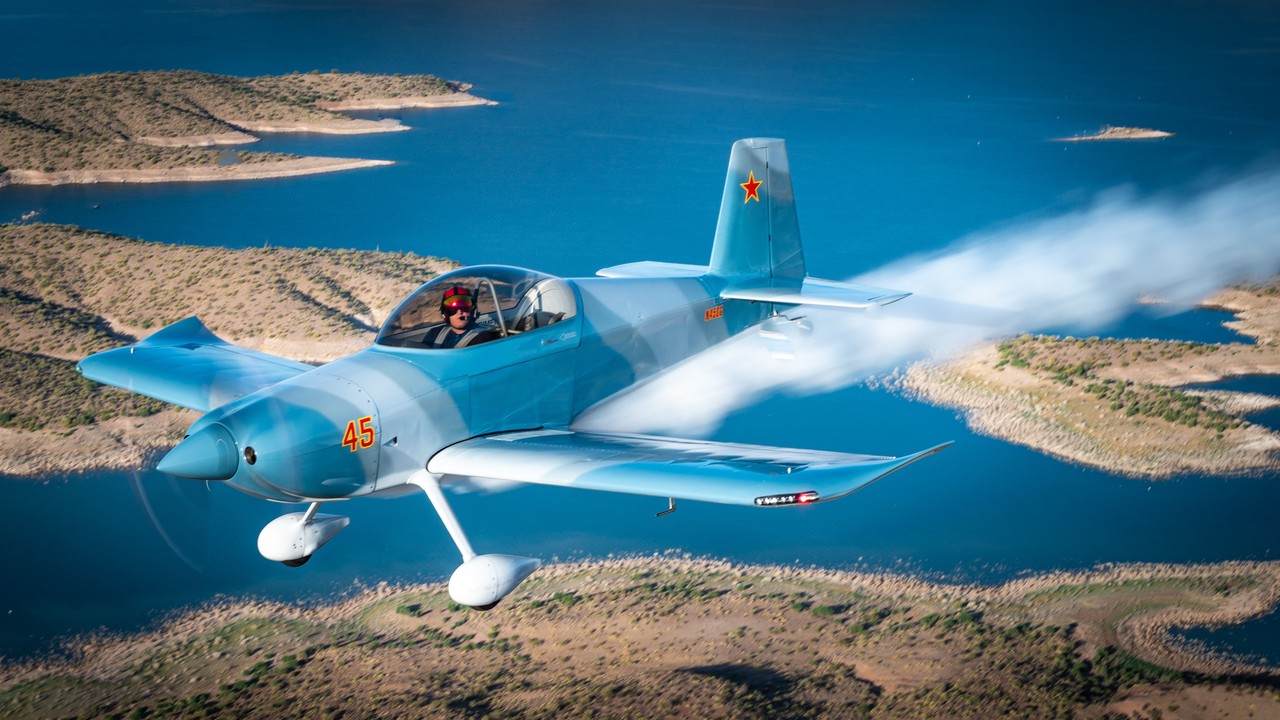
Dominance in Homebuilt Aviation
The RV-8 has established unprecedented dominance in the experimental aircraft community, with 1,611 completed aircraft flying as of November 2022. Approximately one new RV-8 takes to the skies every week or two somewhere in the world, demonstrating the design's enduring appeal among homebuilders. The aircraft eliminated the traditional compromise between sport flying capability and cross-country performance, allowing pilots to enjoy both aerobatic capability and practical transportation in a single airframe.
The Designer and Development
Richard "Van" VanGrunsven designed the RV-8 as an evolution of his successful RV-4, incorporating customer feedback and lessons learned from over two decades of kit aircraft development. VanGrunsven, a pilot and engineer who founded Van's Aircraft in 1972, conceived the RV-8 as a larger tandem aircraft that would appeal to pilots preferring centerline cockpit configuration over side-by-side seating.
The prototype aircraft, registered N118RV, made its maiden flight in July 1995 powered by a 200-horsepower Lycoming IO-360 engine. When VanGrunsven brought the aircraft to the Experimental Aircraft Association's Oshkosh airshow weeks later, prospective buyers lined up for order forms, demonstrating immediate market enthusiasm for the design.
Manufacturing Revolution
Van's Aircraft transformed kit manufacturing with the RV-8's introduction, implementing computer-controlled CNC machinery that enabled unprecedented precision and consistency. This technological advancement reduced building time by 40 percent compared to the earlier RV-4, bringing construction time down to approximately 1,400-1,500 hours per aircraft. Parts arrived prepunched for rivets with superior accuracy, making the aircraft accessible to builders with varying skill levels.
Kits began shipping in 1996, with complete kits available by the end of 1998. The tricycle-gear variant, designated RV-8A, first flew in 1998, providing builders with landing gear options to suit their preferences and operating environments.
The Manufacturer Legacy
Van's Aircraft, operating from North Plains, Oregon (population 640), has become the world's largest producer of aircraft kits since Richard VanGrunsven's founding of the company in 1972. Beginning with plans for the single-seat RV-3, the company has documented over 11,000 completed aircraft across all models as of 2022. The company's design philosophy evolved through direct customer feedback: the single-seat RV-3's popularity led to requests for a two-seater (resulting in the RV-4 in 1979), followed by demands for side-by-side seating (leading to the RV-6).
Engine and Technical Specifications
The RV-8 utilizes the proven Lycoming IO-360 four-cylinder, horizontally-opposed piston engine as its primary powerplant, producing 200 horsepower through fuel injection. The aircraft accepts engines ranging from 150 to 210 horsepower, with most builders selecting 180-horsepower variants for optimal handling characteristics. In 2020, Van's Aircraft officially approved the 210-horsepower Lycoming IO-390A engine for enhanced performance.
Constructed entirely of aluminum, the RV-8 features an empty weight of 1,120 pounds and maximum gross weight of 1,800 pounds. The aircraft carries 42 gallons of fuel and is stressed for aerobatic operations, appealing to pilots seeking both transportation and sport flying capabilities in a single airframe.
Pilot Perspective and Performance
Pilots praise the RV-8 for its exceptional handling characteristics and versatility. The tandem seating configuration provides both occupants with excellent visibility while maintaining the aircraft's aerobatic capabilities. Formation aerobatic pilots from organizations including Redline Airshows have extensively demonstrated the RV-8's precision handling and performance envelope.
The aircraft's design incorporates distinctive styling cues reminiscent of the P-51 Mustang, particularly in its tail configuration, contributing to its aesthetic appeal among aviation enthusiasts. The centerline seating arrangement appeals specifically to pilots preferring traditional fighter-style cockpit layouts over side-by-side configurations.
Current Status and Legacy
The RV-8 remains in active production 30 years after its first flight, with Van's Aircraft continuing to ship kits to builders worldwide. The aircraft established new standards for kit manufacturing quality and accessibility, proving that homebuilt aircraft could achieve professional-grade fit and finish while remaining buildable by amateur constructors.
As one of the most popular kitplanes of all time, the RV-8 represents a cornerstone achievement in experimental aviation. The design's success validated the market demand for high-performance tandem aircraft and demonstrated the viability of advanced manufacturing techniques in the kit aircraft industry. Today, RV-8s serve recreational pilots, aerobatic enthusiasts, and cross-country travelers, fulfilling VanGrunsven's vision of an aircraft that excels in multiple roles without compromise.