
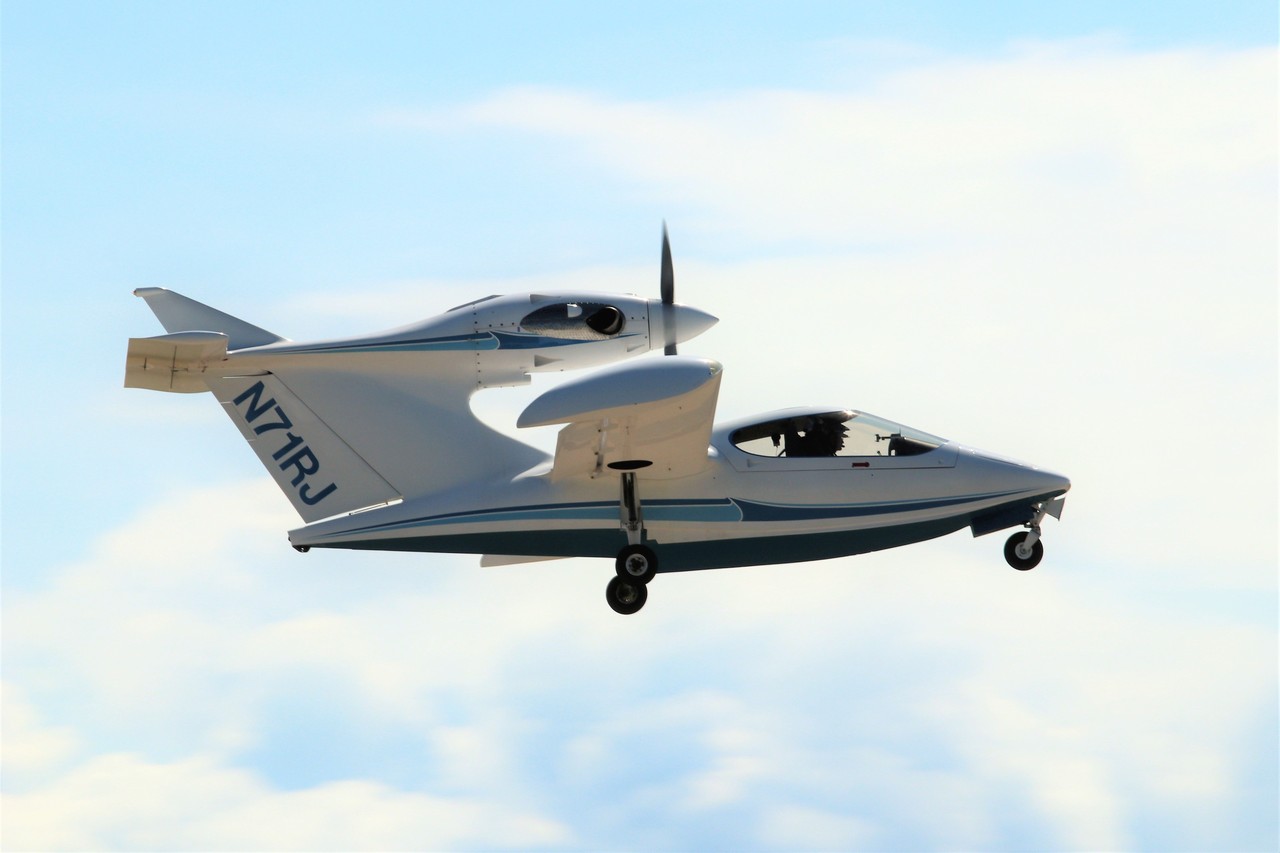
Design Origins and Development
The Seawind emerged from Canadian engineering efforts in the late 1970s, pioneering the application of composite construction techniques to amphibious aircraft design. The prototype's maiden flight in August 1982 validated a revolutionary approach combining high-performance characteristics with kit-built accessibility. Unlike traditional amphibians that sacrificed speed for water capability, the Seawind's pusher configuration with a single tail-mounted engine and composite airframe achieved cruise speeds approaching 200 mph while maintaining full amphibious functionality.
The original design incorporated several innovative features including high-lift slotted flaps, flaperons for enhanced control authority, and a composite structure optimized for both kit construction and marine operations. The aircraft's four-seat cabin provided over 1,000 pounds of useful load while maintaining structural integrity for water landings and takeoffs.
Production Evolution
Seawind International of Haliburton, Ontario initially manufactured kits for the 200-horsepower Seawind 2000, powered by the Lycoming IO-360 engine. In 1993, the company introduced the more powerful Seawind 3000 variant featuring the 300-horsepower Lycoming IO-540 engine, significantly enhancing performance capabilities.
Seawind North America acquired manufacturing rights and relocated operations to Kimberton, Pennsylvania, continuing kit production until 2002. The company then pivoted toward factory-built certification of the Seawind 300C, equipped with a Continental IO-550-N producing 310 horsepower and featuring advanced systems including trailing-link landing gear. However, funding shortages and a prototype crash halted certification progress, leaving approximately 50 customers with unfulfilled delivery positions by the early 2010s.
Total production across all piston variants reached approximately 80 aircraft before Seawind LLC ceased operations by 2020, ending nearly four decades of development and manufacturing.
Turbine Transformation
The most significant advancement in Seawind evolution came through turboprop conversions utilizing the Pratt & Whitney PT6A-20 engine. This 550-horsepower turboprop, renowned for exceptional safety records across millions of flight hours in commercial and military applications, transformed the Seawind into a world-class performer.
The first documented turbine conversion, registered as N71RJ, completed its inaugural flight on March 15, 2012, departing from Sarasota-Bradenton International Airport under the command of certified flight instructor Jack Ardyno. This Super Seawind featured a refurbished PT6A-20 engine driving an MT five-blade, 74-inch constant-speed propeller through a custom carbon fiber cowling designed specifically for the installation.
Performance Characteristics
Turbine-powered Seawinds achieve remarkable performance figures that rival much larger aircraft. The Super Seawind N71RJ demonstrates cruise speeds of 222 mph at altitude, with the capability to operate at Flight Level 170. The PT6A-20's maximum operating speed of 2,200 RPM provides significantly quieter operation compared to the original IO-540's 2,700 RPM, while delivering substantially more power.
The turboprop installation provides dramatic acceleration characteristics, with pilots reporting being pressed back into their seats during takeoff as the 550 horsepower overcomes the aircraft's relatively modest weight. Range exceeds 1,000 statute miles with reserves, maintaining the amphibious capability that distinguishes the design from conventional high-performance aircraft.
Operational Service
Seawind aircraft serve exclusively in private ownership, with no documented commercial or military applications. The type attracted builders seeking high-performance amphibious capability, particularly appealing to pilots operating from water-accessible locations or requiring versatile land-and-water transportation.
Plane Makers of Sarasota, Florida completed several notable examples, including a 2006 Seawind 3000 that accumulated 335 hours of flight time. The turbine conversions represent the ultimate expression of the design concept, offering performance previously unavailable in single-engine amphibious aircraft.
Technical Innovation
The PT6A-20 engine selection proves particularly advantageous given contemporary aviation fuel considerations. The turboprop operates efficiently on aviation gasoline for up to 150 hours between overhauls, with global parts availability and training networks supporting worldwide operations. This fuel flexibility becomes increasingly valuable as leaded aviation gasoline faces regulatory pressure.
The engine's proven reliability record, established through decades of commercial aviation service, provides confidence levels unmatched by piston alternatives. The PT6 series' reputation as having "the best safety record in aviation history" translates directly to enhanced operational security for private owners.
Legacy and Current Status
At least two turbine conversions remain active, including N71RJ which successfully completed the journey to EAA AirVenture Oshkosh 2014, demonstrating long-range capability and reliability. Additional conversions of existing Seawind 2000 kits continue the type's evolution despite the manufacturer's closure.
The Seawind's significance extends beyond its limited production numbers, establishing important precedents for composite kit aircraft design and demonstrating the viability of high-performance amateur-built amphibians. The turbine conversions represent the logical conclusion of the design philosophy, achieving performance levels that validate the original engineering vision while providing a pathway forward as aviation evolves beyond traditional piston power.