
Market Dominance
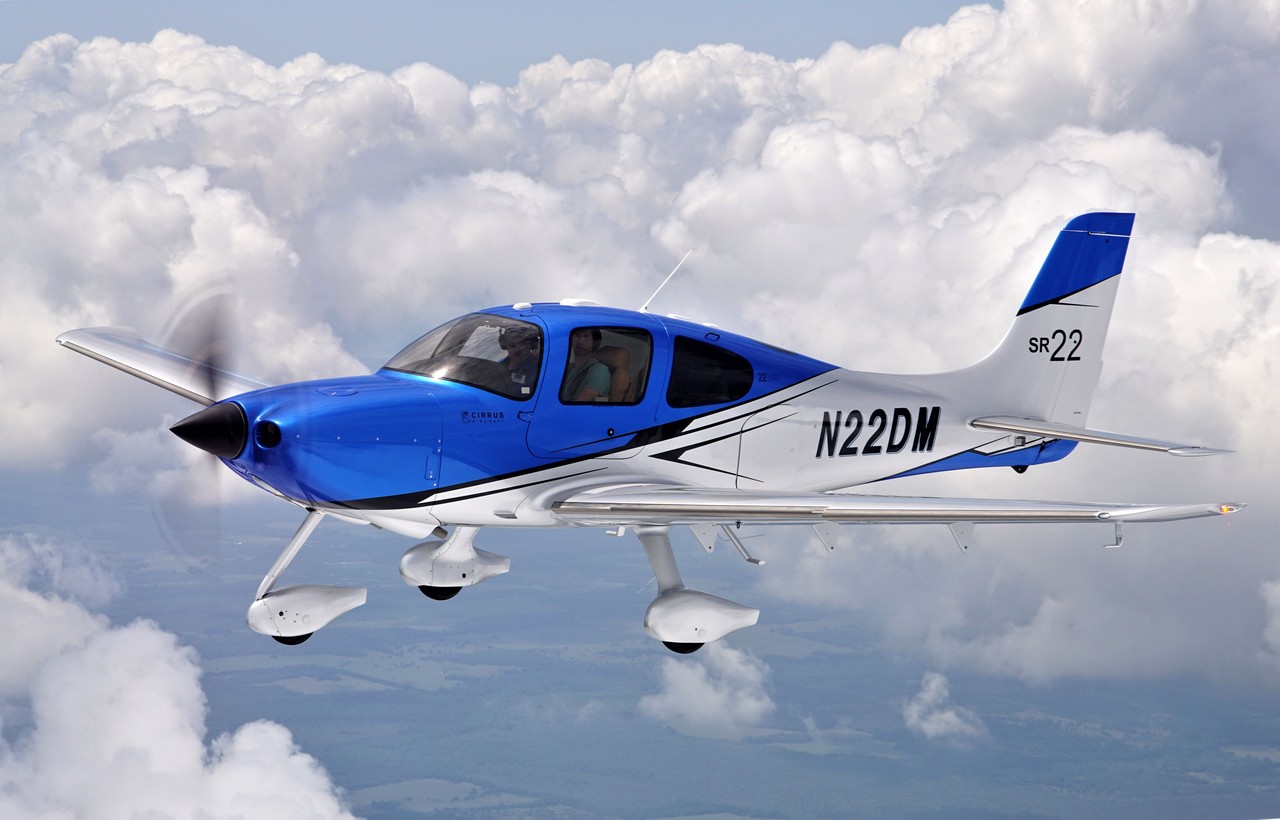
The SR22 achieved unprecedented success in general aviation, capturing a commanding 50 percent global market share in its category. Since claiming the title of world's best-selling general aviation airplane in 2002, the aircraft has maintained this distinction every year for more than two decades. This dominance stems from Cirrus's revolutionary approach to aircraft design, combining advanced safety systems with modern avionics in an accessible single-engine platform.
The Manufacturer
Cirrus Aircraft Corporation was founded in 1984 by brothers Dale and Alan Klapmeier in Baraboo, Wisconsin. The company began manufacturing kit planes in a barn, with their first aircraft, the VK-30, taking flight in 1988. By the mid-1990s, Cirrus transitioned to become a full-scale aircraft manufacturer, relocating to Minnesota in 1994 and establishing a factory at Grand Forks International Airport in North Dakota in 1996. The company expanded into a 111,000-square-foot manufacturing facility in Duluth, Minnesota, by 1999, where it continues operations today. Cirrus won the prestigious 2018 Collier Trophy for the "greatest achievement in aeronautics in America," cementing its reputation as an industry innovator.
Revolutionary Safety Innovation
The SR22's defining feature is the Cirrus Airframe Parachute System (CAPS), a 75-pound ballistic parachute integrated into every aircraft. This system represents the first FAA-certified ballistic parachute used as standard equipment by an aviation manufacturer. As of recent reports, CAPS has saved 200 lives, establishing a new paradigm for general aviation safety. The parachute deployment system allows pilots to lower the entire aircraft safely to the ground in emergency situations, providing an unprecedented last-resort option for single-engine aircraft.
Technical Innovation and Design Evolution
The SR22 evolved from the earlier SR20, which received type certification in 1998. The SR22 earned its Type Certificate in November 2000, with first deliveries beginning in 2001. The aircraft featured a more powerful Continental IO-550-N six-cylinder horizontally opposed engine producing 310 horsepower, mounted in the nose of the composite airframe.
In 2003, the SR22 achieved another industry first by becoming the initial single-piston engine aircraft with fully integrated glass cockpit avionics to receive FAA certification. The Avidyne Entegra primary flight display replaced traditional analog instruments, bringing technology previously reserved for commercial and multi-engine aircraft to the single-engine market. Later models incorporated Garmin Perspective glass cockpit systems, further advancing the integration of digital flight displays.
Production and Variants
Cirrus has produced nearly 8,000 SR22 variants over approximately 23 years of continuous production, with current output reaching 600 aircraft annually across the company's entire product line. The aircraft evolved through seven distinct generations, each incorporating significant improvements.
The SR22 G2, introduced in 2004, standardized the glass cockpit and featured fuselage redesigns that reduced engine vibrations. The 2006 SR22 Turbo G2 added a turbocharged variant with distinctive black leather seating. The G3 generation in 2007 introduced a lightweight carbon fiber wing spar, increasing range and improving performance characteristics.
A major advancement came in 2010 with the SR22T, featuring a ground-boosted Continental TSIO-550-K turbocharged engine that increased cruise speed to 246 miles per hour. The G5 generation arrived in 2013 with higher takeoff weights and aesthetic refinements, followed by the G6 in January 2017 with upgraded Garmin avionics. The latest SR22 G7, unveiled in 2025, features upgraded interiors and advanced avionics systems.
Performance and Configuration
The SR22's composite construction provides strength while maintaining relatively light weight compared to traditional aluminum aircraft. The fixed tricycle landing gear configuration simplifies maintenance while the side-yoke flight controls offer ergonomic advantages over traditional center-mounted yokes. The cabin accommodates four passengers plus the pilot, with two seats positioned behind the cockpit area.
The aircraft's performance envelope includes cruise speeds approaching 200 miles per hour in naturally aspirated variants, with the turbocharged SR22T achieving 246 miles per hour. The composite airframe construction, combined with the Continental powerplant, provides operators with modern performance characteristics and reliability.
Legacy and Current Operations
The SR22 fundamentally transformed general aviation by proving that modern safety systems, advanced avionics, and innovative design could succeed in the marketplace. The aircraft's continued production success demonstrates sustained demand for technologically advanced single-engine aircraft. Cirrus recently announced development of the "Safe Return" emergency autoland system for its jet aircraft, indicating the company's continued commitment to safety innovation that began with the SR22's parachute system.
Today, thousands of SR22 aircraft operate worldwide in roles ranging from personal transportation to flight training, establishing the type as a cornerstone of modern general aviation and proving that innovative safety systems can coexist with commercial success.