
Design and Development
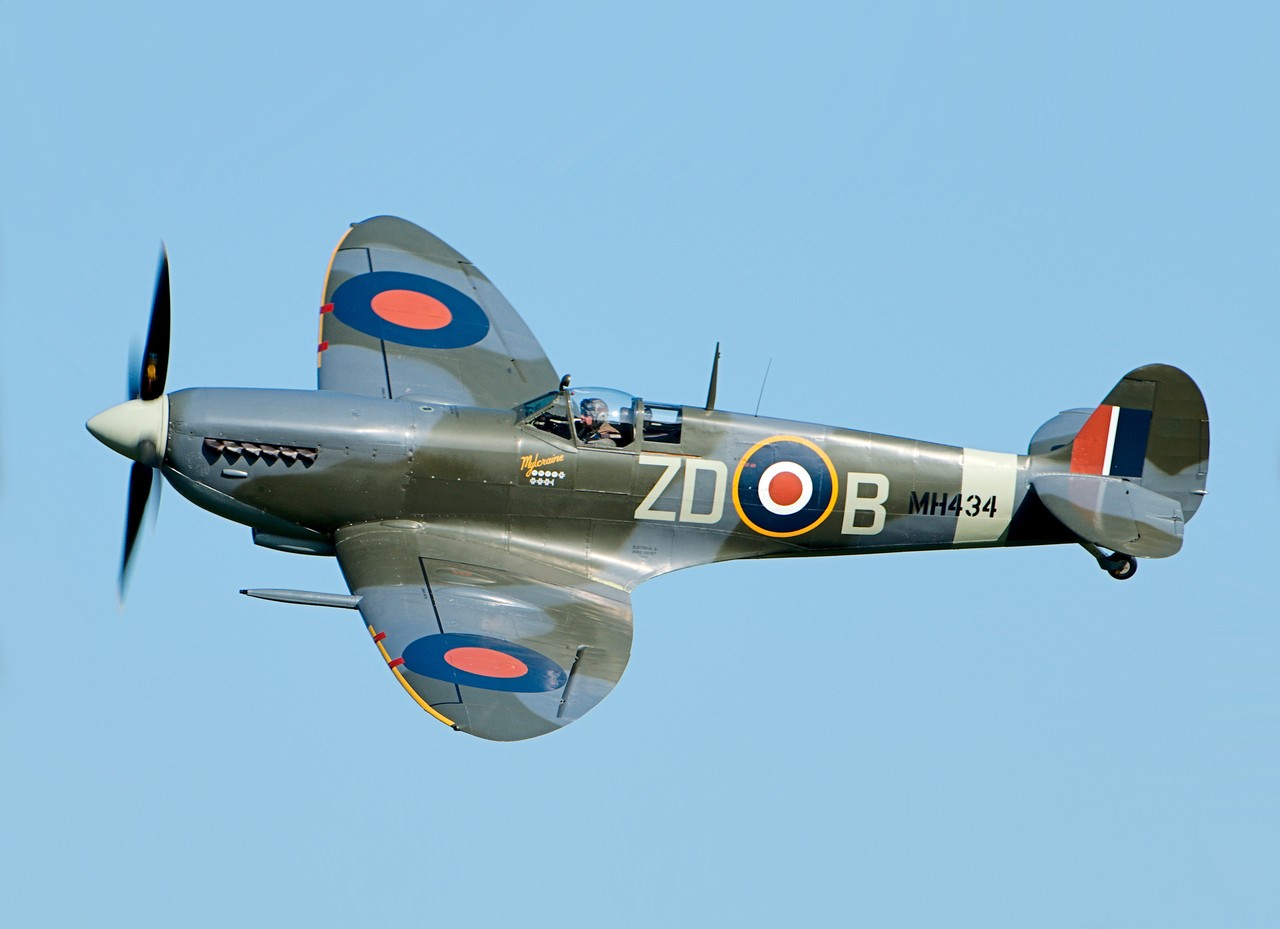
David Eachon spearheaded the development of the Time Warp Spitfire prototype around 1995, working alongside a dedicated team of aviation enthusiasts in Lakeland, Florida. Their ambitious goal was to capture the essence of Reginald Mitchell's immortal Supermarine Spitfire design while making it accessible to amateur builders and sport pilots. The result was a carefully proportioned 60% scale replica that maintained the distinctive elliptical wing shape and aggressive stance of its wartime inspiration.
Time Warp Aircraft formally introduced the kit at Sun 'n Fun in 1996, targeting builders who dreamed of flying a Spitfire but lacked the millions required for an authentic restoration. The company's engineering team solved the challenge of scaling down the complex original design while maintaining its flight characteristics, settling on wood and composite construction methods suitable for amateur builders.
Technical Innovation
The most significant engineering challenge involved powerplant selection. Rather than scaling down a Rolls-Royce Merlin engine, the designers chose a liquid-cooled Geo Storm 1.6-liter automotive conversion producing 100 horsepower. This unconventional choice provided the reliability and affordability essential for recreational aviation while maintaining the liquid-cooled configuration of the original fighter.
The scaled airframe measures 23 feet in wingspan with 81.66 square feet of wing area, creating a wing loading of 13.4 pounds per square foot at the maximum gross weight of 1,100 pounds. The empty weight of just 699 pounds allows for a useful load of 500 pounds, accommodating pilot, fuel, and baggage for extended cross-country flights.
Performance Characteristics
Pilots report that the Time Warp Spitfire delivers spirited performance reminiscent of its full-scale ancestor. The aircraft achieves a maximum speed of 200 mph and cruises comfortably at 170 mph, while maintaining docile handling characteristics with a stall speed of just 45 mph with flaps deployed. The impressive rate of climb of 1,500 feet per minute and 850-mile range from 27 gallons of fuel make it suitable for serious cross-country flying.
The three-bladed fixed-pitch propeller provides excellent ground clearance and contributes to the authentic appearance, though it represents a compromise from the variable-pitch units used on original Spitfires. Test pilots noted that the aircraft's handling remains predictable throughout its flight envelope, making it suitable for pilots with modest tailwheel experience.
Production Reality
Despite initial enthusiasm, Time Warp Spitfire production remained extremely limited. By 1998, the company reported that only one aircraft had been completed and was actively flying. Federal Aviation Administration records showed just two examples registered in the United States as of March 2014, highlighting the challenges facing niche kit manufacturers in the homebuilt market.
The estimated 600-hour build time positioned the aircraft competitively against other warbird replicas, but the specialized automotive engine conversion and complex curved surfaces likely deterred many potential builders. The limited production numbers reflect broader market realities facing replica fighters, where builders often gravitate toward more conventional designs or authentic military surplus aircraft.
Time Warp Aircraft Legacy
Time Warp Aircraft's brief presence in the homebuilt industry illustrates both the passion and challenges inherent in replica aircraft development. While the company successfully created a faithful scaled reproduction of one of aviation's most beloved fighters, commercial success proved elusive in the competitive kit aircraft market.
The few completed examples represent successful collaborations between dedicated builders and innovative designers who refused to accept that Spitfire ownership must remain the exclusive province of wealthy collectors and museums. These flying replicas continue to turn heads at fly-ins and air shows, proving that the Supermarine Spitfire's aesthetic appeal transcends scale and era.
Current Status
The operational status of Time Warp Aircraft remains unclear, with no recent production activity reported. However, the completed aircraft continue to represent an accessible pathway to experiencing one of history's most celebrated fighter designs. For builders seeking the Spitfire experience without the complexity and cost of full-scale restoration, the Time Warp Spitfire Mk V remains a testament to the enduring appeal of Reginald Mitchell's masterpiece and the ingenuity of modern amateur aircraft designers.