
Development and Acquisition
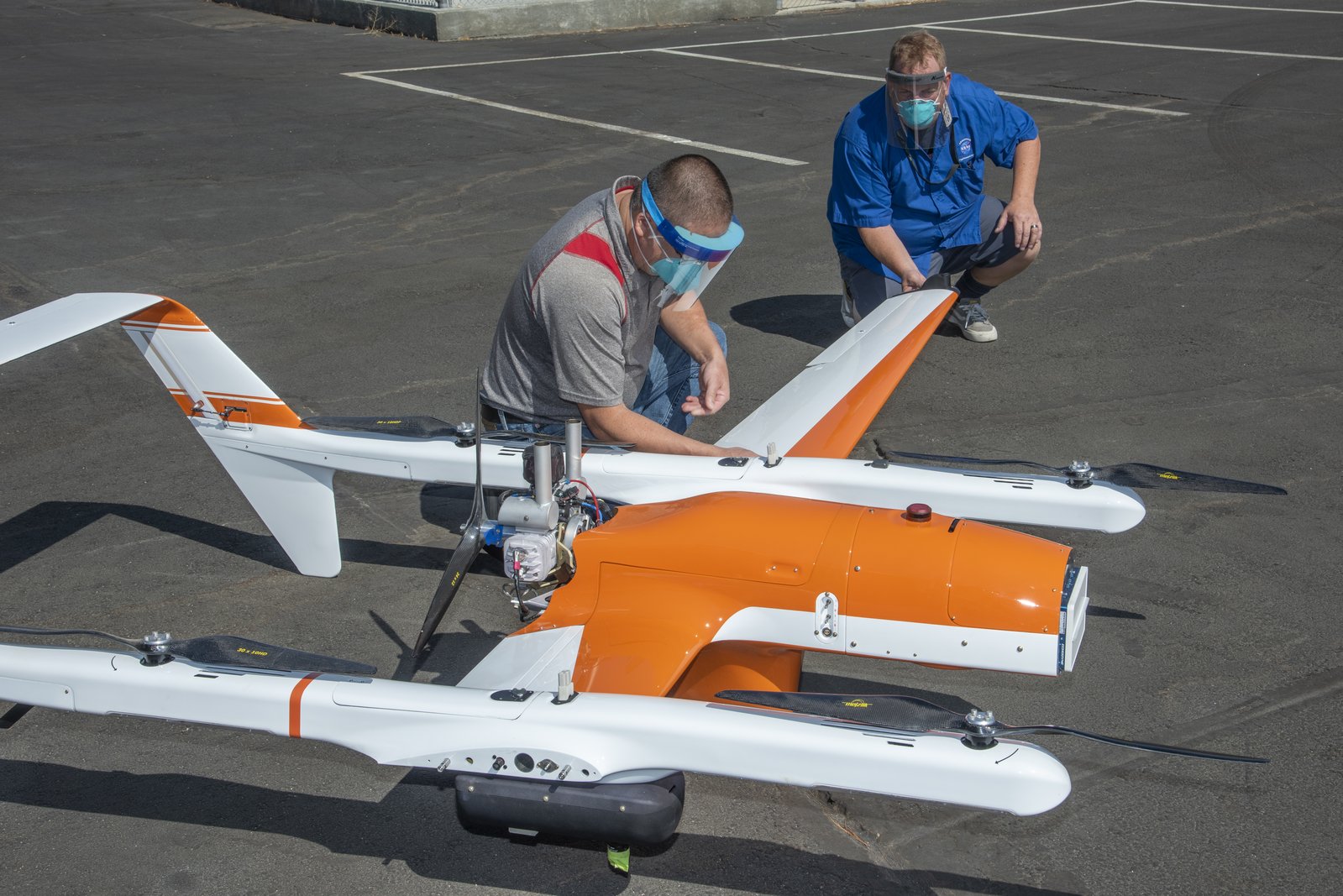
The HQ-90C emerged from the innovative engineering work conducted at Latitude Engineering, a specialized unmanned aircraft systems company based in Tucson, Arizona. The company focused on developing the Hybrid Quadrotor family of VTOL UAVs, with the HQ-90C representing their most advanced platform combining vertical takeoff capabilities with efficient horizontal flight characteristics.
L3 Technologies recognized the strategic value of Latitude Engineering's hybrid VTOL technology and acquired the company in 2018, incorporating the HQ platform into their expanding unmanned systems portfolio. This acquisition aligned with L3's broader strategy of enhancing their capabilities in autonomous aircraft systems and advanced flight technologies.
Technical Innovation
The HQ-90C's hybrid design represents a sophisticated solution to the traditional trade-off between vertical takeoff capability and efficient cruise flight. The aircraft employs a fixed-wing configuration augmented with vertical lift systems, enabling it to operate from confined spaces while maintaining the extended range and endurance characteristics of conventional aircraft.
With its 185-inch wingspan supporting a relatively modest 120-pound gross weight, the HQ-90C achieves remarkable efficiency in its operational envelope. The aircraft's payload bay accommodates between 8 and 22 pounds of mission equipment, with the payload capacity directly affecting flight endurance. At minimum payload configurations, the aircraft can sustain flight operations for up to 22 hours, while maximum payload missions reduce endurance to approximately 12 hours.
NASA Partnership and Autonomous Systems Testing
The HQ-90C gained prominence in advanced autonomous flight research when two aircraft arrived at NASA's Armstrong Flight Research Center in California on September 30, 2020. These aircraft, designated "Lewis" and "Clark" in honor of the famous American explorers, serve as testbeds for cutting-edge autonomous flight technologies under NASA's Resilient Autonomy project.
The primary focus of NASA's research involves testing the Expandable Variable Autonomy Architecture (EVAA) software, designed to enhance autonomous flight operations and implement advanced safety systems. This collaboration between L3Harris and NASA represents a significant step forward in developing reliable autonomous aircraft systems capable of operating safely in complex airspace environments.
Manufacturing Heritage
L3Harris Technologies, the current manufacturer of the HQ-90C, traces its origins to the 1997 formation of L3 Technologies through the acquisition of business units from Lockheed Martin. The company expanded rapidly through strategic acquisitions of specialized technology firms, building expertise in communications, intelligence, surveillance, and reconnaissance systems.
The 2019 merger between L3 Technologies and Harris Corporation created L3Harris Technologies, forming one of the largest defense contractors in the United States. This corporate evolution positioned the company to leverage both legacy aerospace experience and cutting-edge technology development, making it an ideal steward for advanced platforms like the HQ-90C.
Operational Capabilities
The HQ-90C's 98-inch fuselage houses sophisticated flight control systems enabling seamless transition between vertical and horizontal flight modes. This capability makes the aircraft particularly valuable for missions requiring access to areas with limited runway infrastructure while maintaining the extended range necessary for persistent surveillance or communication relay operations.
The aircraft's remotely piloted operation eliminates the weight and space requirements of onboard crew accommodations, allowing maximum utilization of the airframe for mission equipment and fuel. The 12 to 22-hour endurance capability positions the HQ-90C among the most persistent small unmanned aircraft systems available, making it suitable for extended surveillance, reconnaissance, and communication missions.
Research Applications
Beyond its role in NASA's autonomous flight research, the HQ-90C platform demonstrates the potential for hybrid VTOL designs in various civilian and military applications. The aircraft's ability to operate from unprepared sites while maintaining efficient cruise characteristics makes it valuable for disaster response, environmental monitoring, and border security missions.
The ongoing development of autonomous flight capabilities through the NASA partnership may ultimately enable the HQ-90C to operate with minimal human oversight, reducing operational costs and expanding mission possibilities in dangerous or remote environments.