
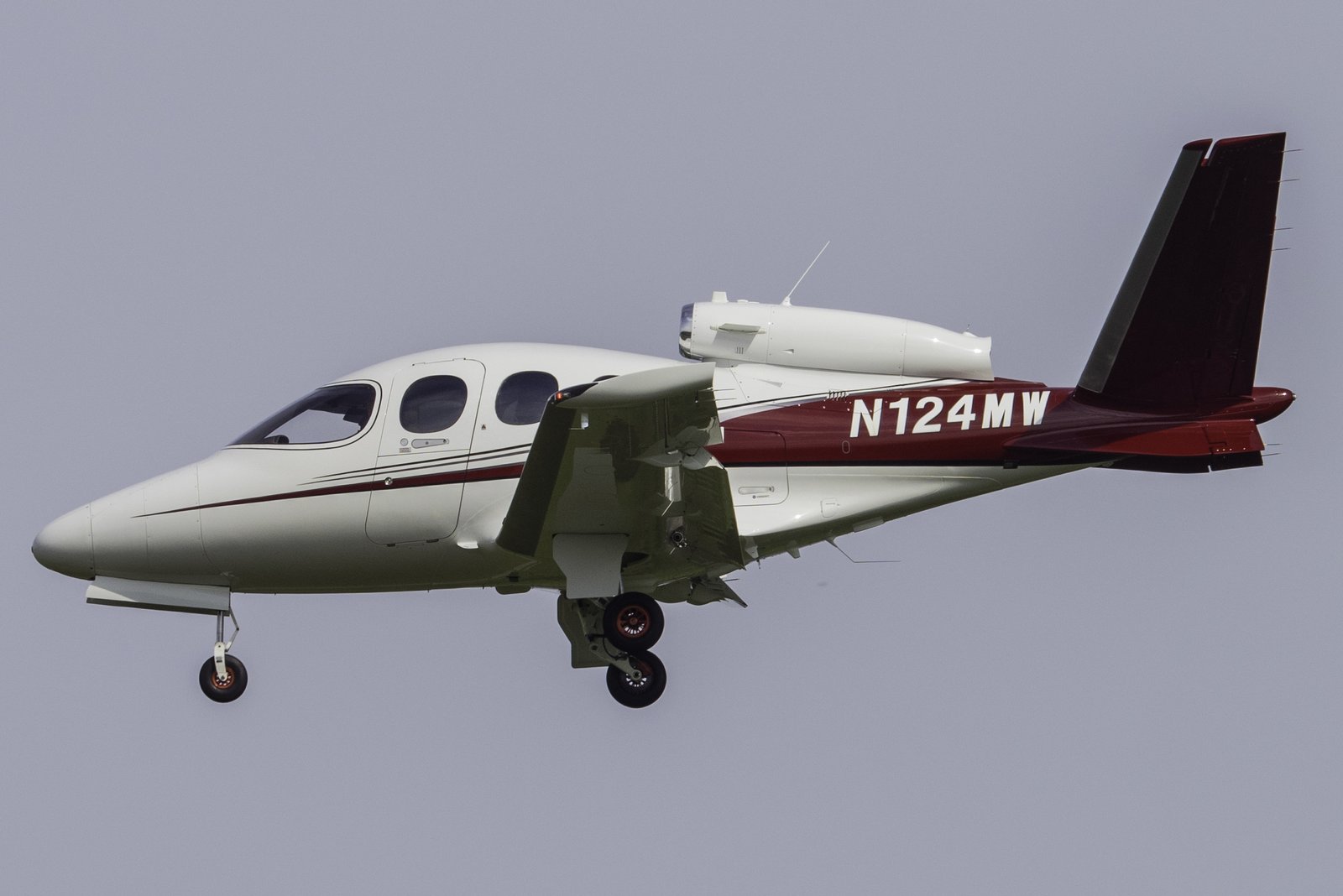
Design Philosophy and Development
Steve Rahm conceived the Vision in 1994 with a specific goal: to create the first all-composite, plans-built, two-seat sport aircraft using conventional configuration rather than the canard designs popular among homebuilts of that era. This design philosophy positioned the Vision as a unique offering in the experimental aircraft market, combining modern composite construction with traditional aircraft layout.
The aircraft was initially marketed by American Affordable Aircraft of Daytona Beach before Pro-Composites assumed production responsibilities in 2015. Rahm developed a proprietary construction technique called the "FoldaPlane" method, which produces near-molded finish exteriors while simplifying assembly and reducing shipping costs by allowing complete fuselage kits to ship via standard UPS delivery.
Technical Specifications and Variants
The Vision is offered in two distinct variants optimized for different mission profiles. The Vision SP (Standard Performance) features a shorter wing spanning 21 feet 8 inches with 85 square feet of wing area and a 5.5:1 aspect ratio. The Vision EX (Extended) incorporates a longer wing of 25 feet 6 inches span with 96 square feet of area and 6.6:1 aspect ratio, designed specifically for higher altitude operations, heavier payload capacity, and operation by less experienced pilots.
Both variants employ sophisticated airfoil design, utilizing a NACA 63A-415 airfoil at the wing root that transitions to a NACA 63A-412 airfoil at the wing tip. The cockpit provides 46 inches of width for side-by-side seating under a bubble canopy. Landing gear options include fixed conventional gear or tricycle configuration with wheel pants, the latter featuring a fully castering nosewheel with differential braking for directional control.
Engine Flexibility and Performance
The Vision accommodates a wide range of powerplants from 100 to 160 horsepower, providing builders significant flexibility in engine selection based on performance requirements and budget constraints. Proven installations include the 100-horsepower Subaru Stratus, 108 to 116-horsepower Lycoming O-235, and 150 to 160-horsepower Lycoming O-320 engines. Lower-powered options such as the Continental O-200, EA-81 Subaru, and Corvair engines are acceptable for builders willing to construct lightweight aircraft and operate under visual flight rules.
With its standard powerplant configuration, the Vision SP achieves a maximum speed of 170 mph and cruises at 155 mph, while maintaining a modest stall speed of 55 mph. The aircraft demonstrates impressive climb performance at 1,400 feet per minute and operates safely up to its never-exceed speed of 207 mph. Structural design allows for load factors of +6/-4 G at the maximum weight of 1,250 pounds, providing adequate margins for sport flying.
Construction Methods and Materials
The Vision employs pre-formed flat fiberglass and foam composite panels that builders radius-bend to shape during construction. This approach simplifies the composite construction process while maintaining the strength and finish quality advantages of advanced materials. Rahm has also offered carbon fiber and honeycomb composite options for builders seeking enhanced performance or weight savings.
The wing loading of 15.9 pounds per square foot contributes to the aircraft's gentle handling characteristics while maintaining respectable performance. The conventional configuration provides predictable flight characteristics that appeal to pilots transitioning from certified aircraft to experimental homebuilts.
Current Production and Market Position
Pro-Composites has maintained continuous production since 2015, serving the experimental aircraft market with both plans and pre-formed components. The company's approach allows builders to choose their level of fabrication involvement, from complete scratch-building to assembly of pre-manufactured parts. This flexibility has sustained market interest in an era when many homebuilt designs have disappeared due to certification costs or manufacturer closures.
The Vision's design predates the Light Sport Aircraft category but was later adapted to meet LSA regulations, expanding its potential market to include pilots seeking simpler certification paths. The aircraft appears in official aviation databases, including Toronto Pearson International Airport's valid business aircraft types under ICAO code VISI, indicating its acceptance in controlled airspace operations.
Related Developments
Steve Rahm's design philosophy extended beyond the Vision to include the Personal Cruiser, a single-place aircraft emphasizing economy and efficiency. Scott VanderVeen, an early Vision builder, supported development of this smaller aircraft designed to cruise at 120 mph while achieving fuel efficiency exceeding 50 miles per gallon. This project demonstrated Rahm's continued innovation in the experimental aircraft market and the Vision's role as a platform for advancing composite construction techniques in amateur-built aviation.