
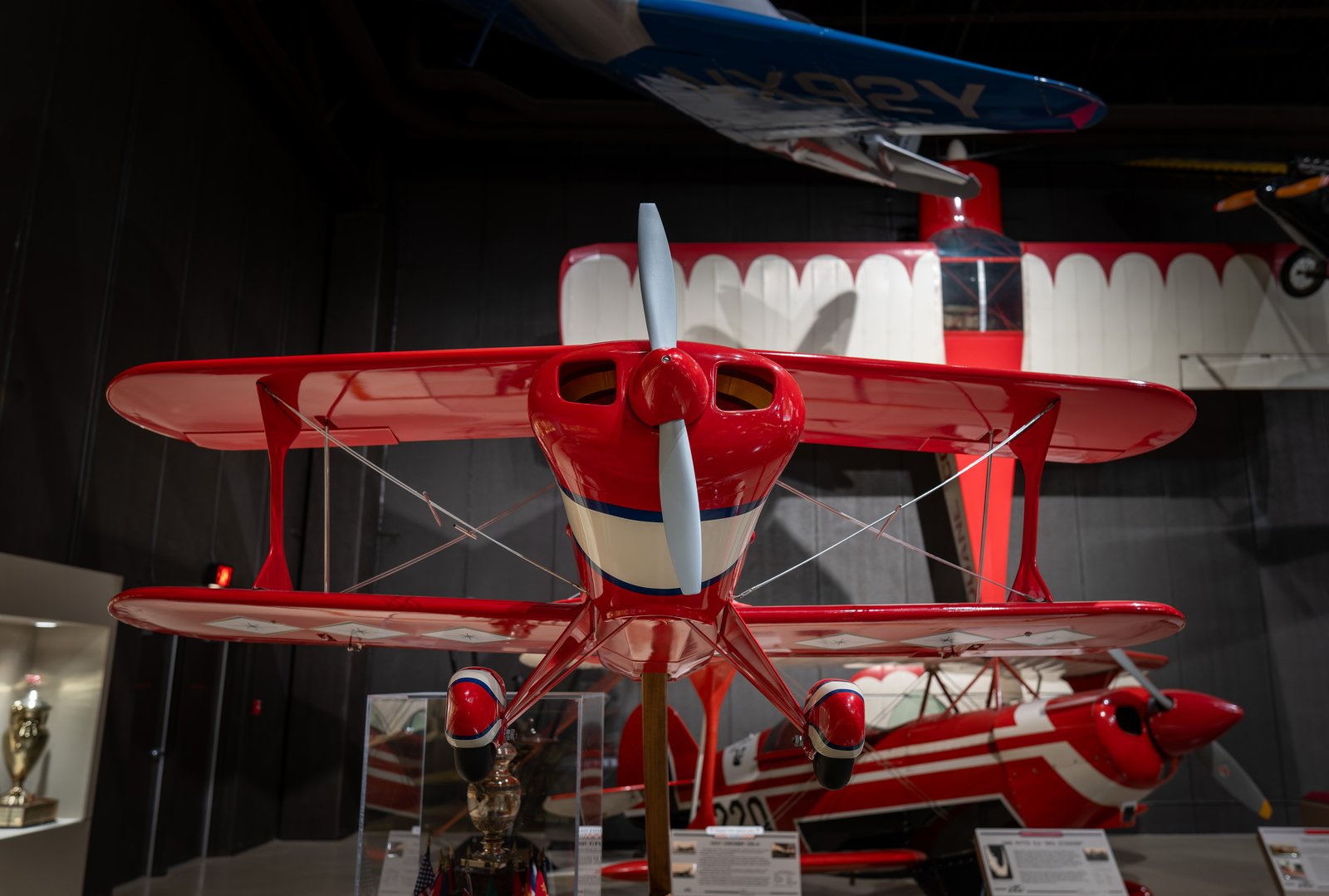
Design Philosophy and Development
The Whatley Special emerged during a pivotal period in experimental aviation when homebuilders sought reliable, affordable alternatives to traditional aircraft engines. The design team focused on adapting proven automotive technology for aviation use, specifically targeting the Volkswagen air-cooled engine series that had gained popularity among amateur builders for its simplicity and availability.
The prototype aircraft incorporated a VW2232 powerplant producing 70 horsepower, representing a careful balance between performance and cost-effectiveness. This engine selection reflected the broader movement within homebuilt aviation to reduce operational expenses while maintaining acceptable performance characteristics.
Construction and Certification
Construction number VW-2 became the first example to achieve airworthiness, receiving registration N87VW. The aircraft completed its maiden flight on June 23, 1981, marking a successful entry into the experimental aircraft category. The design demonstrated stable flight characteristics and validated the automotive engine conversion approach that would influence subsequent builders.
The construction techniques employed conventional materials and methods accessible to amateur builders, emphasizing practical assembly procedures over complex manufacturing processes. This approach aligned with the homebuilt community's preference for designs that could be completed in typical workshop environments without specialized tooling.
Derivative Aircraft and Variations
The success of the original Whatley Special inspired additional construction projects, most notably the Newton Special completed by Thomas Newton. This variant, first flown on June 15, 1990, incorporated a 50-horsepower Barker/VW1600 engine combination, demonstrating the design's adaptability to different powerplant configurations.
Newton's modifications reflected nearly a decade of operational experience with the basic design, incorporating refinements in engine installation and aircraft systems. The reduced power output of the Barker/VW1600 engine necessitated careful attention to weight management and aerodynamic efficiency to maintain acceptable performance levels.
Engine Technology and Performance
The Volkswagen engine conversions used in Whatley Special aircraft represented significant engineering achievements in adapting automotive powerplants for aviation service. These installations required modifications to cooling systems, ignition timing, and carburetion to meet the demands of aircraft operation, particularly during sustained climb phases and high-altitude flight.
The 70-horsepower VW2232 engine provided sufficient power for typical general aviation missions while offering substantially lower acquisition and maintenance costs compared to certified aircraft engines. Operating characteristics included reliable starting, smooth power delivery, and fuel efficiency that appealed to cost-conscious private pilots.
Builder Community and Production
Following the successful demonstration of both the original Whatley Special and Newton's variant, a small number of additional aircraft entered construction. These subsequent examples typically featured VW or VW-derived engines, with individual builders implementing specific modifications based on their particular requirements and available components.
The limited production numbers reflected the specialized nature of the design and the substantial commitment required for homebuilt aircraft construction. Each project typically required between 1,000 and 2,000 hours of builder time, representing a significant investment in both effort and resources.
Technical Innovation
The Whatley Special's most significant contribution to experimental aviation was its demonstration of reliable automotive engine conversion techniques. The design validated specific approaches to engine mounting, cooling, and electrical systems that would influence numerous subsequent homebuilt projects throughout the 1980s and 1990s.
Builder-specific modifications became a hallmark of the design, with individual constructors implementing improvements in areas such as landing gear configuration, cockpit ergonomics, and avionics installation. This flexibility attracted builders who desired to customize their aircraft for specific operational requirements.
Legacy and Influence
The Whatley Special occupied an important position in the evolution of homebuilt aviation during the early 1980s, demonstrating that well-executed automotive engine conversions could provide reliable service in experimental aircraft. The design's influence extended beyond its limited production numbers, contributing to the broader acceptance of alternative powerplants within the amateur-built community.
The aircraft's operational history validated design approaches that would be adopted by subsequent homebuilt aircraft manufacturers, particularly in the areas of engine installation and systems integration. This influence can be traced through numerous later designs that incorporated similar automotive powerplant conversion techniques and construction methods.