
Commercial Dominance
The A300-600 became the most successful variant of the A300 family, with 313 aircraft delivered before production ceased in July 2007. Unlike its predecessors that struggled for initial acceptance, the A300-600 found immediate commercial success when it entered service with Saudi Arabian Airlines in 1984. By the 1990s, the aircraft had transformed the economics of medium to long-haul travel, offering airlines the passenger capacity of a wide-body aircraft with the operating costs closer to those of narrow-body twins.
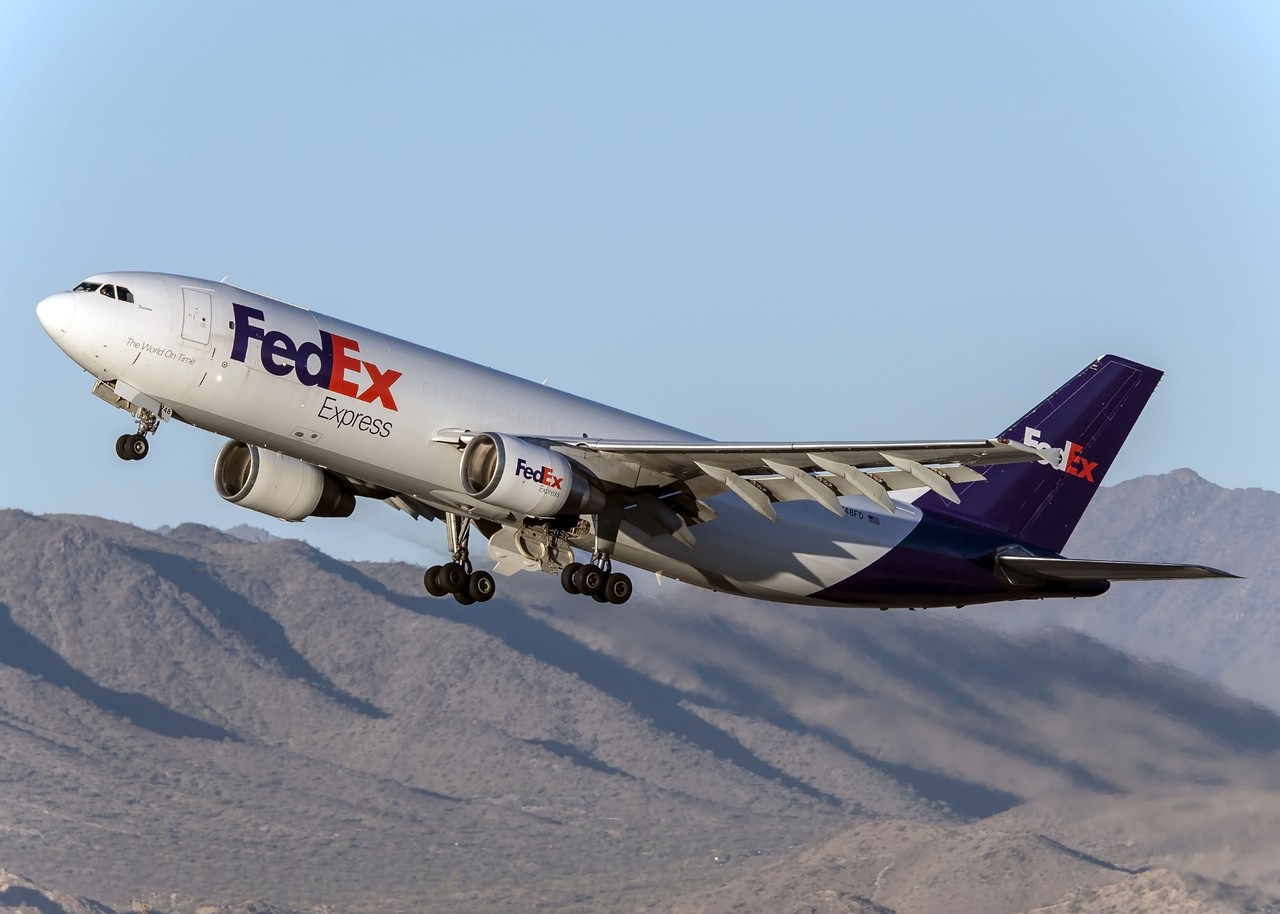
FedEx Express emerged as the largest operator of the type, operating 68 A300-600F freighters as of 2017. The freighter variant, which entered service in 1993, proved particularly valuable during the cargo boom of the late 20th century. American Airlines became the launch customer for the extended-range A300-600R variant in 1988, which featured an additional fuel tank in the tail section that enabled true transatlantic operations.
The Manufacturer's Gamble
Airbus Industrie GIE, established in 1969 as a European consortium between Germany and France, launched the A300 program in October 1970 as a direct challenge to American aviation dominance. The company distributed manufacturing across multiple sites, with components produced in northern Germany, England, Saint Nazaire, and Nantes, before final assembly in Toulouse. This multinational approach, revolutionary at the time, became the template for modern aircraft manufacturing.
By the time A300-600 production ended, Airbus Industrie had evolved into Airbus, one of the world's two dominant commercial aircraft manufacturers. The A300 program's success directly enabled Airbus to develop subsequent aircraft families, including the A320 series that would eventually outsell Boeing's competing models.
Technical Innovation
The A300-600 introduced several technological advances that became industry standards. Its Forward Facing Crew Cockpit (FFCC) concept reduced crew requirements from three to two pilots, significantly lowering operating costs for airlines. The aircraft utilized the A310's rear fuselage and tail design, which provided increased cabin space while maintaining structural efficiency.
Two powerplant options were available: the General Electric CF6-80 and the Pratt & Whitney PW4000 series (PW4156/PW4158). The CF6 engine proved particularly successful, with MTU manufacturing over one million individual parts for the engine family at its Munich facility over five decades. As of recent counts, approximately 1,500 aircraft equipped with CF6 engines remained in active service worldwide.
Operational Capabilities
The A300-600's 180-minute ETOPS certification represented a breakthrough in aviation safety regulations, allowing the twin-engine aircraft to operate on routes previously restricted to three or four-engine aircraft. This certification enabled direct competition with Boeing's 767-200 on transatlantic routes, though the A300-600 lacked the range of Boeing's later 767-300ER variant.
Pilots appreciated the aircraft's handling characteristics and the spacious cockpit design that reduced crew workload. The type's reliability record proved exceptional, with several airlines operating A300-600s for over two decades without major incidents.
Specialized Applications
Five A300-600ST "Beluga" variants were constructed between 1994 and 2001 for Airbus's internal logistics needs. The first Beluga, assembled in 16 months, completed its maiden flight on September 13, 1994, and entered service in January 1996. These oversized cargo aircraft transported major aircraft components between Airbus production facilities, enabling the company's distributed manufacturing model.
Japan Air System received the final new-build passenger A300, an A300-622R, in November 2002, while FedEx took delivery of the last A300 of any variant—an A300-600F freighter—on July 12, 2007.
Current Status and Legacy
As of September 2023, 197 A300 family aircraft remained in commercial service, primarily as freighters with cargo operators. The type's robust construction and efficient operating economics have enabled many examples to continue flying well beyond their original design life. Airbus has committed to supporting A300 operations until at least 2025, ensuring parts availability and technical support for remaining operators.
The A300-600's success validated the twin-engine wide-body concept that now dominates long-haul aviation. Modern aircraft like the Boeing 787 and Airbus A350 directly descend from the operational philosophy pioneered by the A300 program, proving that European engineering could successfully challenge established American aviation supremacy.