
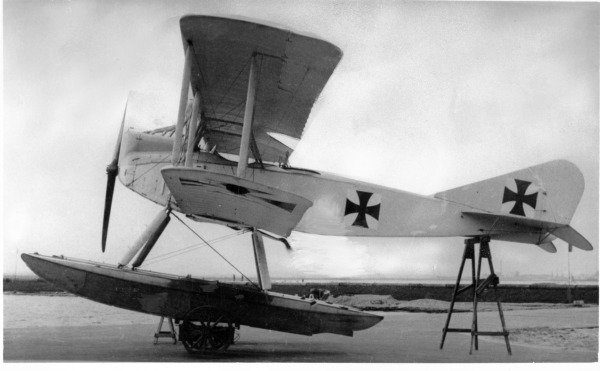
Introduced in 1915, the Albatros C.III was a German two-seat general-purpose biplane that became a cornerstone of the Imperial German Air Service. It is recognized as the most produced of the Albatros C-type aircraft and was highly regarded for its natural stability, availability, and favorable flying characteristics. The aircraft was manufactured primarily by Albatros Flugzeugwerke in Germany, though production was also undertaken by Darzhavna Aeroplanna Rabotilnitsa (DAR) in Bulgaria.
Production of the C.III began in 1915 and continued into at least 1917, with some sources indicating that small batches were produced as late as the 1920s. While the exact total number of completed aircraft is uncertain, records indicate that at least 2,511 units were ordered. The aircraft was powered by an inline piston engine, specifically the Benz III (Bz.III), which provided 150 metric horsepower.
In terms of performance, the Albatros C.III reached a maximum speed of 145 km/h (90 mph) and had a service ceiling of 3,350 meters (10,990 ft). It demonstrated a climb rate capable of reaching 3,000 meters in 35 minutes and possessed an endurance of 4 hours and 30 minutes. Its robust design made it suitable for a wide array of missions, including aerial reconnaissance, observation, light bombing, and bomber escort.
Operational service began on the Western Front with the Luftstreitkräfte in December 1915. The type reached its operational peak in August 1916, with an estimated 354 aircraft active at the front. By mid-1917, the C.III was largely transitioned from frontline combat roles to training duties, although it remained in German service until the Armistice on November 11, 1918. Beyond Germany, the aircraft was operated by the Bulgarian, Lithuanian, and Ottoman Air Forces. Postwar, the Polish Air Force utilized the type, with reports indicating Poland operated approximately 15 C.IIIs, including some units from Austrian production.