
Design and Development
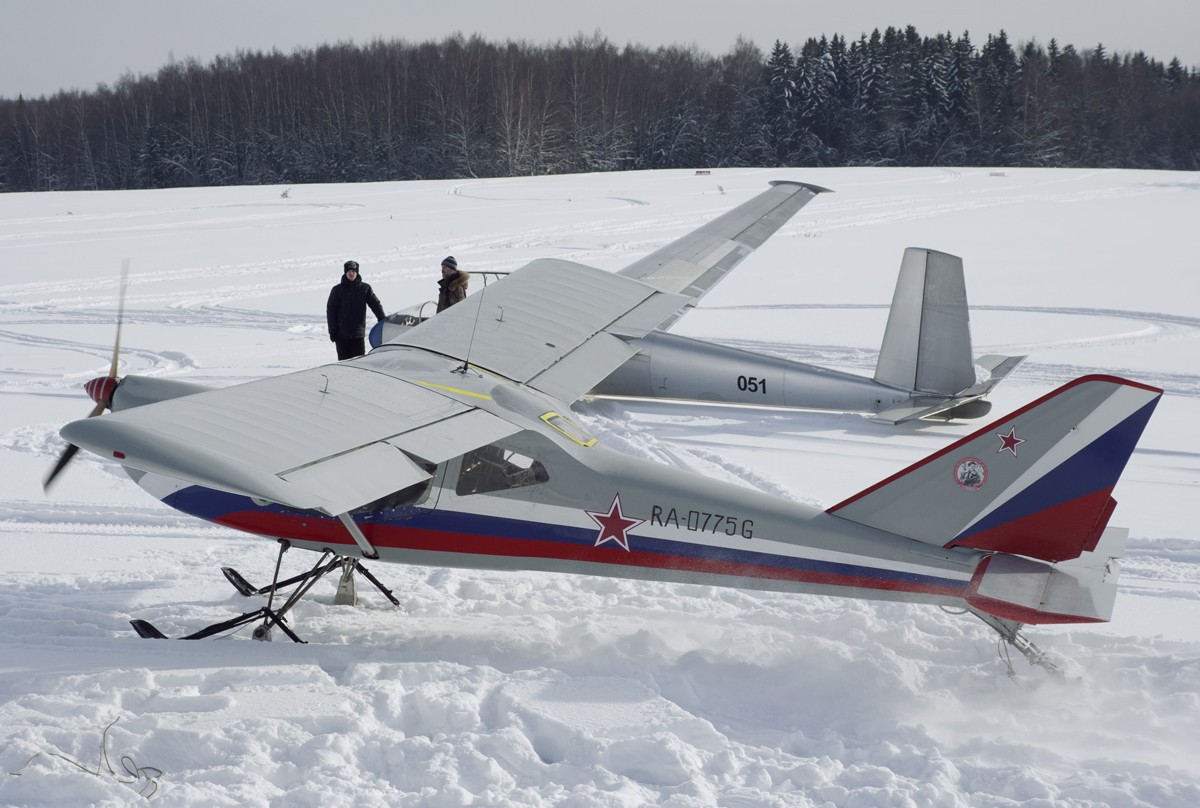
The Ai-10 Ikar emerged from Ukraine's post-Soviet aviation renaissance, developed by the Ikar Aero Club of Kyiv as a modern ultralight solution for both recreational flying and practical utility work. The design team focused on creating a versatile platform that could serve multiple roles while maintaining the simplicity and cost-effectiveness essential for ultralight operations.
The aircraft's configuration reflected contemporary ultralight design philosophy: a high-wing, strut-braced monoplane with fixed conventional tailwheel landing gear. The fuselage construction utilized metal framework while the wings employed fabric covering, balancing durability with weight considerations. This mixed-construction approach allowed the Ai-10 to achieve an empty weight of just 284 kilograms while supporting a maximum takeoff weight of 510 kilograms.
Engine and Performance
Power for the Ai-10 came from Austrian Rotax engines, specifically the 912UL, 912ULS, or 914 variants. These flat-four piston engines, manufactured by BRP-Rotax GmbH & Co KG, delivered between 80-100 horsepower depending on the specific model. The 912ULS variant produced 74 kW (99 horsepower) and drove a three-bladed wooden propeller in tractor configuration.
The powerplant selection proved well-matched to the airframe, enabling a cruise speed of 180 km/h (110 mph) and a maximum speed of 200 km/h. Stall characteristics varied between sources, with figures ranging from 27 km/h to 50 km/h, indicating potential differences between variants or measurement conditions. The aircraft demonstrated respectable climb performance at 6 meters per second and could reach service ceilings between 3,500-4,000 meters.
Operational Characteristics
With an 88-liter fuel capacity, the Ai-10 achieved a maximum range of 1,000 kilometers, making it suitable for extended cross-country flights despite its ultralight classification. Short-field performance was particularly noteworthy, requiring only 80 meters for takeoff and 60 meters for landing, characteristics that enhanced its utility in agricultural and remote area operations.
The aircraft's load factor specifications of +6/-3 g (some sources indicate +5/-2 g for certain variants) suggested robust structural design appropriate for utility work beyond simple recreational flying. This structural capability supported the development of specialized variants, including an "Agriplane" configuration designed specifically for agricultural spraying operations with documented productivity rates of 80-140 gallons per hour.
Civil Service and Applications
The Ai-10 found its primary niche in civil ultralight and utility roles across Eastern Europe. Its enclosed cabin with side-by-side seating provided weather protection and enhanced communication between occupants, advantages over open-cockpit ultralight designs of the era. The agricultural variant demonstrated the type's adaptability to specialized missions, though specific adoption rates and operational details remain poorly documented.
Unlike many ultralight designs that remained purely recreational, the Ai-10's utility focus and robust construction made it suitable for commercial light aircraft operations where regulations permitted. The enclosed cabin configuration particularly appealed to operators in regions with challenging weather conditions.
Production and Legacy
Production details for the Ai-10 remain largely undocumented, with no reliable figures available for total aircraft manufactured or specific production years beyond the 1999 first flight. The Ikar Aero Club's current operational status is unknown, reflecting the challenges faced by smaller aircraft manufacturers in the post-Soviet economic environment.
The type's operational history includes at least one documented fatal accident: on June 9, 2013, an Ai-10 crashed during a training flight near Friday village in Russia's Solnechnogorsk district, killing both occupants. This incident highlights the aircraft's presence in Russian ultralight operations, suggesting export sales beyond Ukraine.
Technical Legacy
The Ai-10 Ikar represents Ukraine's efforts to establish indigenous aircraft design capabilities in the ultralight category during the late 1990s. While production numbers and widespread adoption appear limited, the design incorporated contemporary best practices including reliable Rotax powerplants, mixed construction techniques, and multi-role capability.
No museum examples or significant cultural impact have been documented for the type, and the number of airworthy examples remains unknown. The Ai-10's legacy lies primarily in demonstrating Ukrainian technical capability in ultralight aircraft design during the country's early years of independence, though limited documentation suggests modest commercial success compared to established Western ultralight manufacturers.