
Service Dominance in Regional Aviation
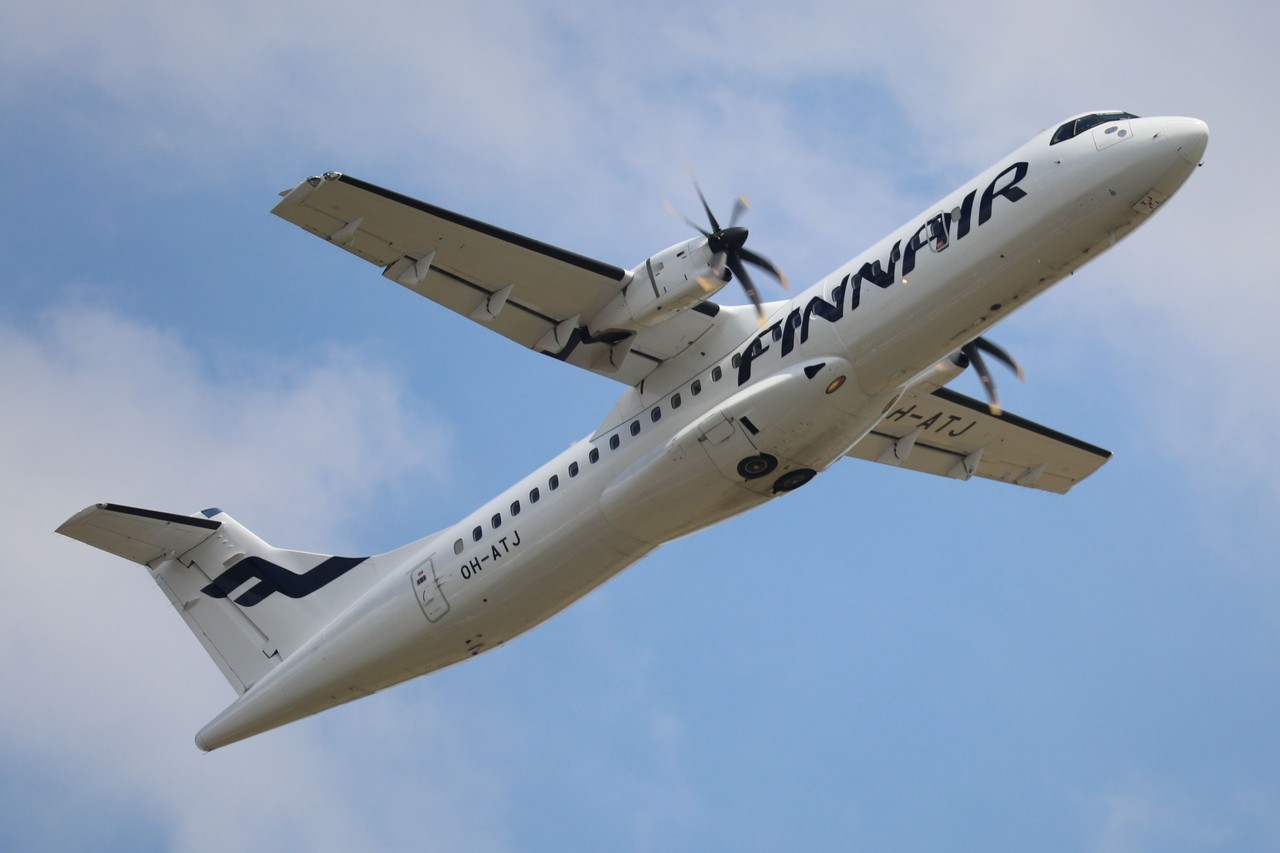
The ATR 72-500 revolutionized short-haul regional transportation, with over 365 aircraft delivered by September 2018 as part of the broader ATR 72 family that transported 450 million passengers by 2000. The variant maintained over 90 percent parts commonality with the smaller ATR 42, enabling airlines to operate mixed fleets with reduced training costs and maintenance complexity. Major operators included Air Algerie, Sunlight Express, Air Europa Express, and Federal Express, which utilized the freighter variant for cargo operations.
The Franco-Italian Partnership
ATR emerged from a strategic alliance formed in the 1980s between France's Aérospatiale and Italy's Aeritalia, creating Avions de Transport Régional to compete in the growing regional aircraft market. The company achieved remarkable success, reaching 1,000 ATR 72 deliveries by July 2018 and expanding its Toulouse final assembly facilities by 2015 to support production of up to 120 aircraft annually. Today, Airbus SE maintains a 50 percent stake in ATR, which continues operations with ongoing production of newer variants like the ATR 72-600.
Advanced Powerplant Technology
The ATR 72-212A (500) represented a significant technological leap through its Pratt & Whitney Canada PW127F or PW127M turboprop engines, each generating between 2,475 and 2,750 horsepower. These powerplants marked a substantial improvement over the earlier PW124B engines, delivering enhanced performance in hot and high altitude conditions while driving efficient six-bladed propellers. The PW127M variant specifically addressed operator demands for improved fuel efficiency and reliability, contributing to the aircraft's reputation for low operating costs in challenging environmental conditions.
Enhanced Design Philosophy
Engineers at ATR designed the 72-500 with specific focus on reducing pilot workload through improved cockpit automation while maintaining the proven high-wing configuration that provided excellent short-field performance. The variant featured a higher maximum takeoff weight of 22,000 kilograms compared to its predecessor, enabling greater payload flexibility for regional routes. Design innovations included advanced avionics systems and structural improvements that enhanced the aircraft's capability to serve airports with limited infrastructure, a critical requirement for regional connectivity.
Pilot Operations and Performance
Operating with a standard two-person flight crew, the ATR 72-500 achieved a service ceiling of 7,620 meters and demonstrated exceptional efficiency on routes up to 1,650 nautical miles. The aircraft's docile handling characteristics and forgiving flight envelope made it popular among regional pilots, while its ability to operate from shorter runways opened previously inaccessible markets to scheduled airline service. Mount Cook Airline received type acceptance for the variant on October 18, 1999, demonstrating its suitability for challenging mountainous terrain operations.
Limited Military Applications
While primarily designed for civilian use, military operators recognized the ATR 72's utility for specialized roles. The Turkish Navy operates ATR 72-600 variants developed with Turkish Aerospace Industries for maritime patrol missions, featuring additional sensors and mission systems. Pakistan Navy and the Italian Air Force also incorporated ATR 72 aircraft for transport and utility functions, though the type never served in combat roles or major wartime operations.
Production Legacy and Transition
Production of the ATR 72-212A (500) continued from 1997 through approximately 2011, when manufacturing focus shifted to the more advanced ATR 72-600 variant. The -600's prototype, converted from a -500 airframe, completed its maiden flight on July 24, 2009, incorporating lessons learned from the earlier variant's operational experience. By September 2018, over 350 ATR 72-500s remained in active service with 75 operators worldwide, testament to the design's durability and continued relevance in regional aviation.
Contemporary Operations and Future
The ATR 72-500 continues serving regional routes globally, with operators like ASL Aviation announcing innovative hydrogen conversion plans in October 2021 to extend the type's environmental sustainability. The variant's success contributed to a production surge reaching 90 units annually by 2015, demonstrating continued market demand for efficient turboprop aircraft despite jet aircraft competition. While specific museum examples are not widely documented, the type's operational legacy persists through its role in connecting smaller communities to major transportation networks worldwide.