
Service History
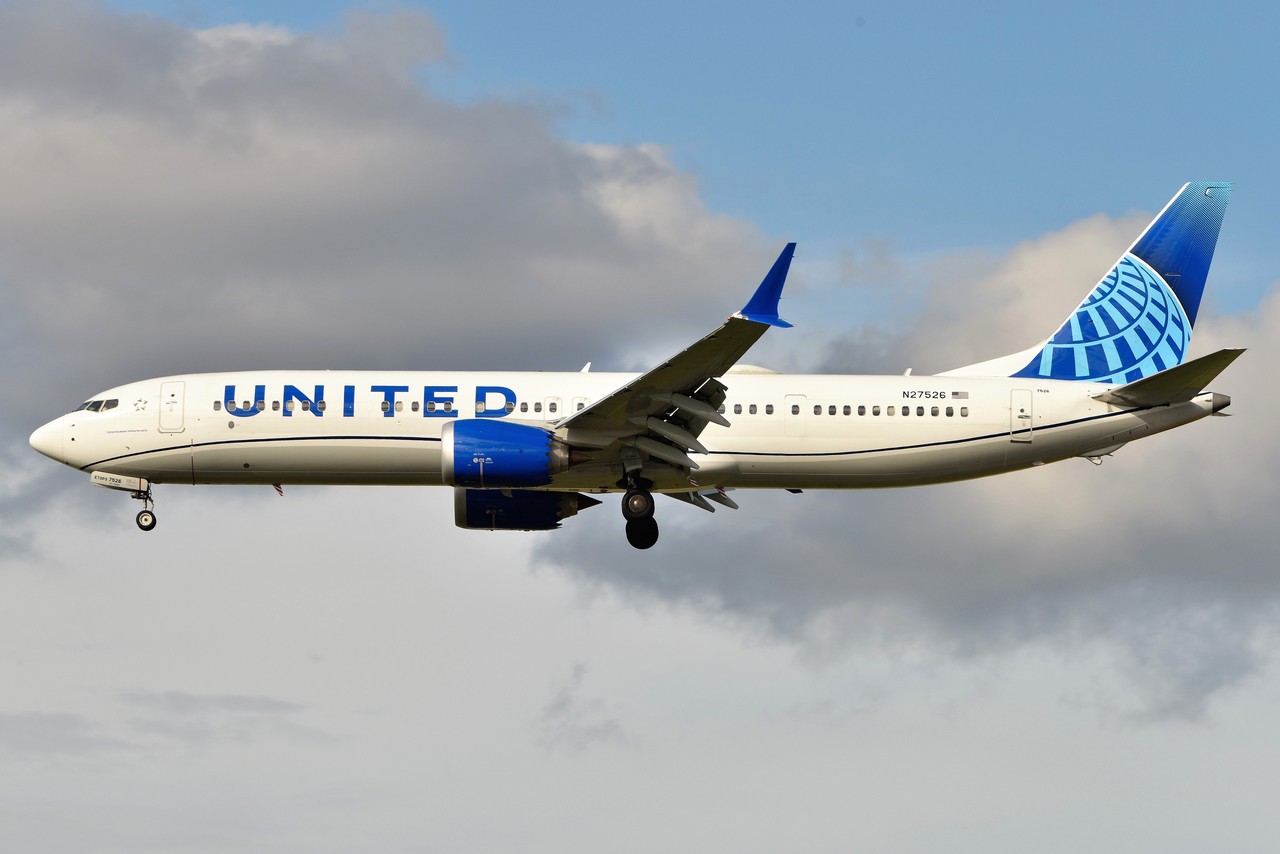
The 737 MAX 9 entered commercial service in March 2018 as part of Boeing's broader MAX family launch, with Malindo Air operating the first MAX variant deliveries beginning May 17, 2017. By early 2023, Boeing had delivered over 1,000 737 MAX aircraft across all variants, establishing the type as a critical component in the narrowbody market. Major operators include Southwest Airlines, Lion Air Group, Ryanair, Air China, and Akasa Air, which placed 72 aircraft orders in November 2021. The aircraft's service history was dramatically interrupted by a worldwide grounding from March 13, 2019, through late 2020 following two fatal accidents involving MAX 8 variants.
Operational Challenges
The MAX 9's operational record became overshadowed by the Lion Air Flight 610 crash on October 29, 2018, and Ethiopian Airlines Flight 302 on March 10, 2019, both involving the MAX 8 variant. These accidents led to the grounding of all MAX aircraft globally and exposed certification controversies surrounding the aircraft's Maneuvering Characteristics Augmentation System (MCAS). Following extensive modifications and pilot training requirements, the aircraft returned to service with restored confidence, though production rates fluctuated significantly due to ongoing quality concerns.
The Manufacturer
The Boeing Company, founded July 15, 1916, by William E. Boeing, developed the 737 MAX 9 through its Commercial Airplanes division as a direct competitive response to the Airbus A320neo family announced December 1, 2010. Boeing unveiled the MAX program on August 30, 2011, under the leadership of Commercial Airplanes chief Ray Conner, who served from June 26, 2012, to November 21, 2016. The company's strategic decision to re-engine the existing 737 design rather than develop a clean-sheet aircraft reflected both time-to-market pressures and the commercial success of the 737 family, which had accumulated over 10,000 deliveries since the original 737's 1967 introduction.
Engine & Technical Innovation
The CFM International LEAP-1B turbofan engines represent the MAX 9's primary technological advancement, developed through the joint venture between GE Aviation and Safran Aircraft Engines. Flight testing of the LEAP-1B began May 7, 2015, with the engine promising and ultimately confirming a 14% fuel efficiency improvement over previous 737 variants, verified October 29, 2013. The high-bypass turbofan design incorporated advanced materials and aerodynamic improvements, complemented by enhanced winglets and updated avionics systems. The aircraft requires a two-person flight crew and achieved a service ceiling of 41,000 feet.
Design Leadership
Boeing Commercial Airplanes teams led the MAX 9's development under executives including Ray Conner and his successor Kevin McAllister, who assumed leadership November 21, 2016. The design program compressed typical development timelines, completing a six-year development cycle from 2011 to 2017, faster than the 777's five-year program. The first MAX family flight occurred January 29, 2016, with the MAX 8 leading the certification process. The FAA certified the MAX 8 on March 9, 2017, establishing the foundation for subsequent MAX 9 operations.
Production & Manufacturing
Production of the 737 MAX 9 commenced June 2, 2015, at Boeing's primary manufacturing facility in Renton, Washington, with fuselage assembly contracted to Spirit AeroSystems in Wichita, Kansas. The first MAX 9 fuselage completed assembly August 13, 2015, while Boeing established additional completion centers including interior finishing in Zhoushan, China, which delivered its first aircraft to Air China December 15, 2018. Tata Boeing Aerospace Limited in India began manufacturing vertical fin components, shipping the first units February 14, 2023. Production rates reached 31 aircraft monthly by July 2022, with planned increases to 47 monthly by end-2023, though expansion plans were halted following the Alaska Airlines Flight 1282 incident on January 5, 2024.
Legacy and Current Status
As of early 2025, hundreds of 737 MAX aircraft including the MAX 9 variant remain in active commercial service following their return from the global grounding. The aircraft achieved significant commercial success with orders exceeding 2,000 units worth $209 billion by May 20, 2014, demonstrating continued market confidence in the 737 platform despite certification controversies. The MAX 9's legacy reflects both Boeing's engineering capabilities and the complexities of modern aviation certification, serving as a pivotal case study in aerospace safety culture and regulatory oversight. The type continues Boeing's strategy of evolutionary development, sustaining the 737 family's position as the world's best-selling commercial airliner series while incorporating fourth-generation fuel efficiency improvements essential for contemporary airline economics.