
Service History
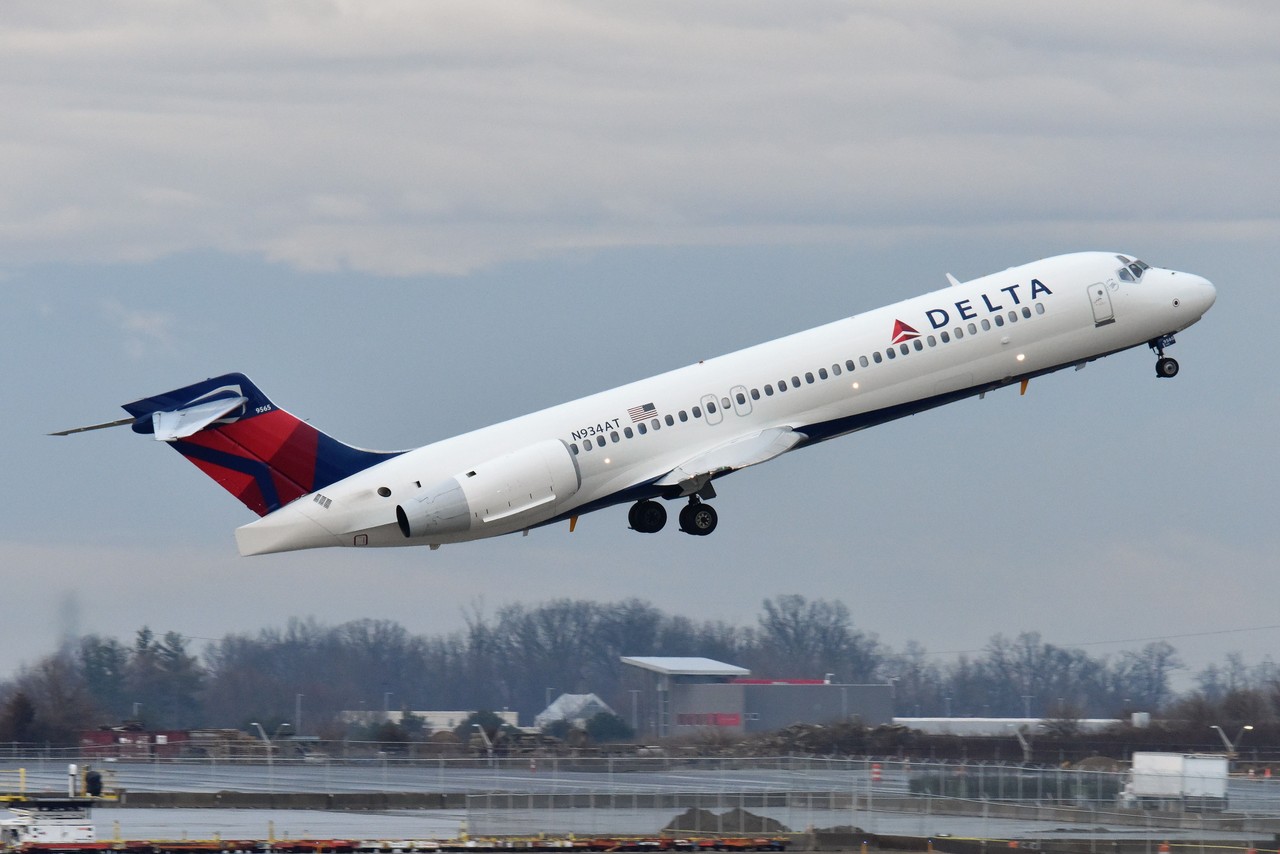
The 717-200 carved out a specialized niche in the 100-seat regional market, serving as an efficient workhorse for airlines transitioning from older DC-9 equipment. Of the 156 aircraft produced, approximately 99 remain in active service as of 2024, with Delta Air Lines operating the largest fleet after acquiring AirTran Airways' aircraft in 2013. The type proved particularly valuable for short-haul routes, offering superior fuel efficiency and passenger comfort compared to its predecessors while maintaining the operational familiarity that DC-9 operators appreciated.
The Manufacturer
McDonnell Douglas conceived the MD-95 in the mid-1990s as part of their effort to modernize the venerable DC-9 family that had served airlines since 1965. The company, formed from the 1967 merger of McDonnell Aircraft and Douglas Aircraft, brought decades of commercial aviation expertise to the project. When Boeing acquired McDonnell Douglas in 1997, they inherited the MD-95 program and promptly redesignated it as the 717, reviving a Boeing model number that had been dormant since the military KC-135 tanker program. Douglas Aircraft's Long Beach facility, which had manufactured over 15,000 aircraft since opening in 1941, became the 717's sole production site.
Engine & Technical Innovation
Rolls-Royce BR715 turbofan engines distinguished the 717-200 from its DC-9 ancestry, delivering significantly improved fuel efficiency and reduced noise levels compared to the older JT8D powerplants. These engines, mounted in the characteristic rear-fuselage configuration inherited from the DC-9 design, provided the thrust necessary for efficient short-field performance while meeting increasingly stringent environmental regulations. The aircraft featured a modern glass cockpit that reduced crew workload and training requirements, making it attractive to airlines seeking to modernize their fleets without extensive pilot retraining.
Boeing's most significant contribution came through manufacturing innovation rather than design changes. In 2001, the company introduced commercial aviation's first moving assembly line at the Long Beach facility, a technique borrowed from automotive manufacturing that reduced production time and costs. This revolutionary approach later influenced Boeing's 787 Dreamliner production methodology and demonstrated how traditional aircraft manufacturing could be transformed.
Market Performance and Challenges
Despite its technical merits, the 717-200 struggled commercially in a crowded regional jet market. Launch customer ValuJet Airlines, which later became AirTran Airways, placed the initial order for 50 aircraft in October 1995, followed by TWA's order for 50 units in 1998. The aircraft entered service on October 12, 1999, operating between Atlanta and Washington Dulles. However, the post-9/11 aviation downturn severely impacted sales, with only 32 orders recorded in 2002.
The timing proved particularly challenging as airlines increasingly favored larger regional jets from competitors like Embraer and Bombardier, or opted for Boeing's own 737-600 for similar route structures. Additionally, the aircraft's rear-mounted engine configuration, while proven reliable, represented older technology compared to wing-mounted designs that offered easier maintenance access and potentially better fuel efficiency.
Global Manufacturing Strategy
Boeing implemented an innovative global sourcing strategy for 717 production, with major components manufactured worldwide before final assembly in Long Beach. The nose sections came from South Korea, fuselage sections from Italy, and tail components from Taiwan, creating an international supply chain that foreshadowed Boeing's later 787 program structure. This approach helped control costs but added complexity to the production process.
Safety Record and Operational Excellence
The 717-200 achieved an unprecedented perfect safety record, with zero hull losses or passenger fatalities throughout its operational history. This remarkable achievement reflected both the maturity of the DC-9 design foundation and the enhanced safety systems incorporated into the modern variant. Airlines praised the aircraft's reliability and low maintenance requirements, factors that helped maintain strong residual values despite limited production numbers.
Legacy and Current Operations
Production ceased on May 23, 2006, when Boeing delivered the final aircraft to AirTran Airways and Midwest Airlines, ending 65 years of commercial aircraft manufacturing at Long Beach. The facility's closure marked the end of an era that had produced iconic aircraft including the DC-8, DC-9, MD-80 series, and MD-11. Today, Hawaiian Airlines and Delta Air Lines operate the majority of the remaining fleet, with these aircraft continuing to provide reliable service on short to medium-haul routes. The 717's manufacturing innovations, particularly the moving assembly line concept, remain Boeing's lasting contribution to commercial aviation production methodology.