
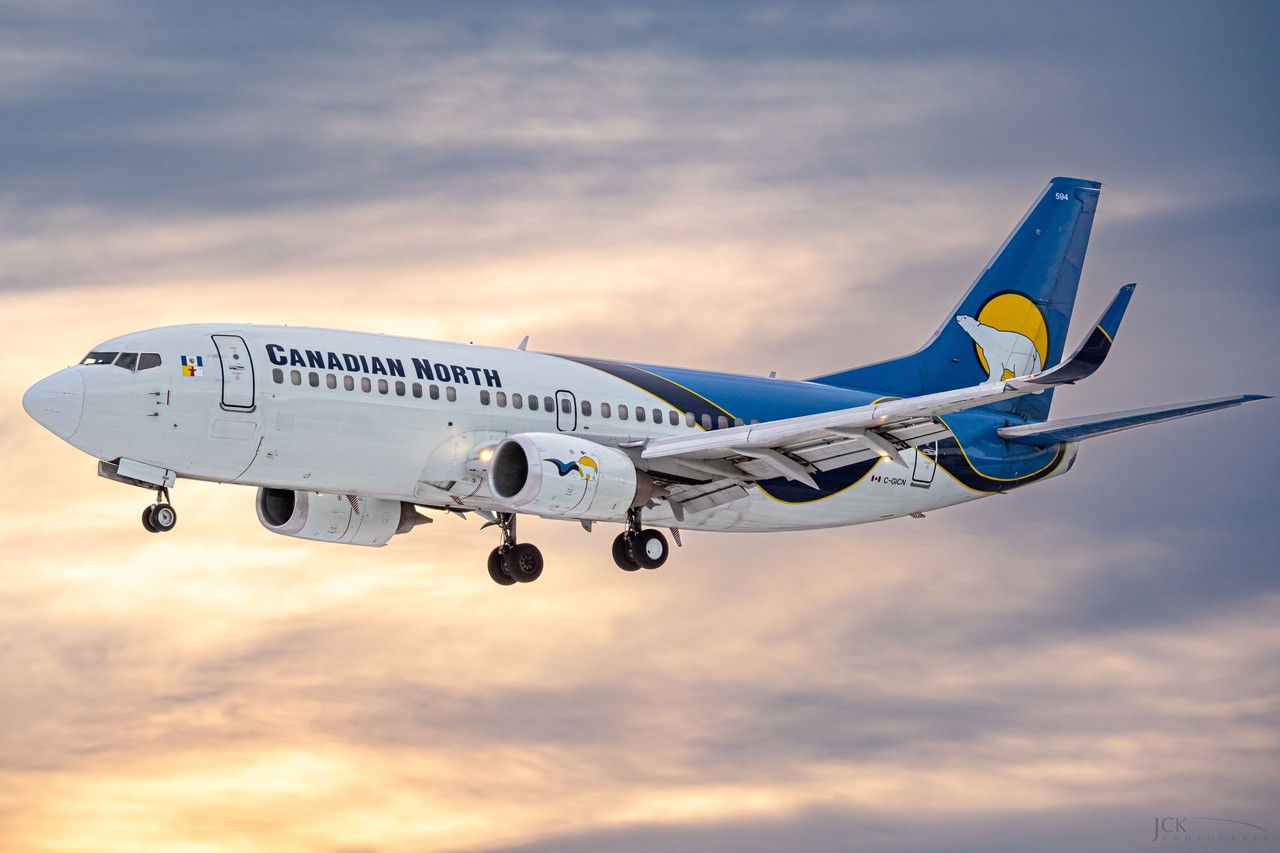
Service History
The 737-300 transformed commercial aviation by providing airlines with unprecedented operating economics and reliability. Within its first full year of service in 1985, Boeing received 252 orders for the variant, demonstrating immediate market acceptance. The aircraft became the workhorse for major US carriers, regional airlines, and charter operators who valued its fuel efficiency and operational flexibility. By the early 1990s, the success of the 737-300 had helped Boeing maintain dominance in the narrow-body market until the Airbus A320's introduction created serious competition, prompting Boeing to launch the Next Generation 737 program in November 1993.
The Manufacturer
Boeing Commercial Airplanes developed the 737-300 as part of their broader 737 program, which began in 1964 and has become the highest-selling commercial jetliner family in history. The company has maintained continuous 737 production since 1967, with manufacturing concentrated at the Renton Factory in Washington state since 1970. By March 2018, Boeing had delivered the 10,000th 737 across all variants, with over 4,600 additional orders pending. Boeing remains a major aerospace and defense contractor today, continuing to build upon the foundation established by aircraft like the 737-300.
Engine & Technical Innovation
The 737-300's most significant advancement was its re-engining with CFM56 high-bypass turbofan engines, which provided substantial improvements in fuel efficiency and noise reduction compared to earlier 737 variants. Development of the aircraft began in 1979 with the specific goal of incorporating advanced technology from Boeing's 757 and 767 programs. These innovations included advanced structural materials, new corrosion-inhibiting techniques, digital avionics systems, improved aerodynamics, and the revolutionary CFM56 powerplants that made the aircraft among the quietest and most fuel-efficient in the world during the 1980s.
Production Excellence
The 737-300 prototype rolled out of Boeing's Renton facility on January 17, 1984, with first flight occurring just over a month later. After receiving flight certification on November 14, 1984, USAir became the launch customer, taking delivery of the first aircraft on November 28, 1984. Production continued for fifteen years, with Boeing maintaining steady output to meet strong demand. The final 737-300 was delivered to Air New Zealand on December 17, 1999, bearing registration ZK-NGJ, marking the end of an era for the Classic series.
Market Impact and Competition
The 737-300's success validated Boeing's strategy of evolutionary development rather than clean-sheet design. Over 1,000 orders throughout its production run demonstrated sustained market confidence in the aircraft's capabilities. However, competitive pressure from the technologically advanced Airbus A320, which began winning traditional Boeing customers in the early 1990s, forced Boeing to accelerate development of the Next Generation 737 series. The first 737-700 was completed in December 1996, while Classic series production continued until February 2000, allowing airlines to choose between proven technology and next-generation capabilities.
Legacy and Continuing Influence
As of 2006, statistics showed that 1,250 Boeing 737s of all variants were airborne at any given moment worldwide, with one aircraft either departing or landing every five seconds. The 737-300 represents a significant portion of this legacy as one of the most numerous Classic variants. The aircraft's design philosophy of incremental improvement and operational reliability became the template for subsequent Boeing narrow-body development, influencing everything from the Next Generation series through today's MAX variants. The 737-300's introduction of CFM56 engines and advanced avionics systems established standards that continue to influence modern airliner design, making it a pivotal aircraft in commercial aviation history.