
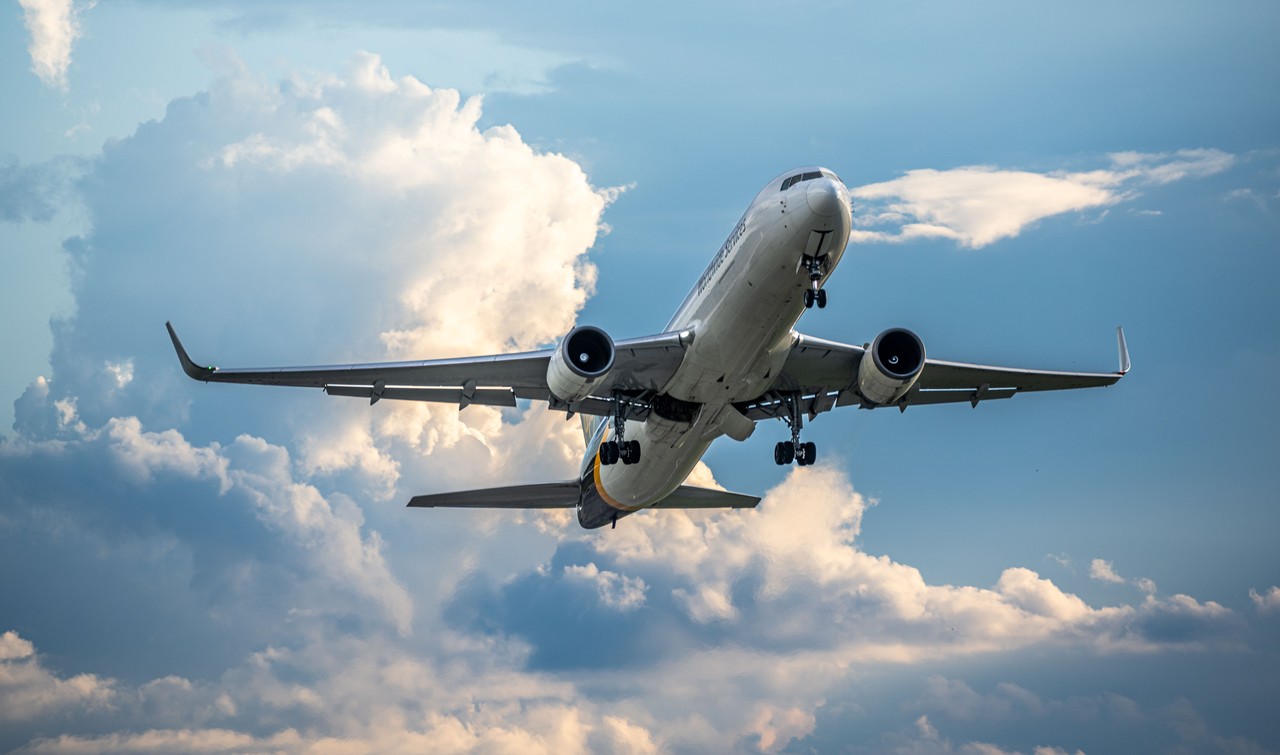
Service History
The 767-300 achieved remarkable commercial success, with the extended-range variant (767-300ER) becoming the most popular model in the entire 767 family through 583 deliveries by August 2022. Japan Airlines launched commercial service in October 1986, followed by American Airlines introducing the 767-300ER in 1988. The aircraft's ETOPS certification by 1985 enabled airlines to operate transatlantic and other long-range international routes with just two engines, significantly reducing operating costs compared to three and four-engine alternatives.
By the mid-1990s, major carriers including Delta Air Lines, United Airlines, El Al Israel Airlines, Ethiopian Airlines, and All Nippon Airways had incorporated the 767-300 into their fleets. The variant's success stemmed from its optimal balance of capacity and efficiency, filling the gap between narrow-body aircraft and larger wide-bodies like the 747.
The Manufacturer
The Boeing Company, founded in 1916, designed and manufactured the 767-300 at their Everett, Washington facility beginning in 1986. Boeing launched the original 767 project in 1978, with the first 767-200 flying on September 26, 1981. The company continues operations under the same name today, maintaining 767 production through at least 2026 despite original plans in the early 2000s to phase out the program in favor of the 787 Dreamliner.
Boeing's decision to develop a twin-engine wide-body represented a significant departure from the three-engine configuration that had dominated wide-body aviation, adopting instead a layout similar to the Airbus A300. This design philosophy proved prescient as fuel efficiency became increasingly important to airline profitability.
Technical Innovation
The 767-300 stretched the original 767-200 fuselage by just over six meters, increasing maximum passenger capacity from 245 to 290 while maintaining the efficient twin-engine wide-body configuration. The aircraft features twin turbofan engines and a conventional low-wing design optimized for both passenger comfort and operational efficiency.
The twin-aisle cabin layout provides superior passenger experience compared to narrow-body aircraft on medium to long-haul routes, while the twin-engine configuration delivers better fuel economy than tri-jet or quad-jet competitors. This combination made the 767-300 particularly attractive for airlines serving transcontinental and transatlantic markets.
Cargo Operations Revolution
The 767-300 found remarkable success in freight operations, with the 767-300F freighter variant entering service with UPS in 1995. FedEx became a major operator, ordering 27 units in 2011, 19 additional aircraft in 2012, and placing the largest single order of 50 freighters in 2015. Boeing also developed the 767-300BCF (Boeing Converted Freighter), with ANA receiving the first converted example in 2008.
The cargo variants extended the aircraft's operational relevance well into the 21st century, with freight demand driving continued production when passenger orders declined. This dual-market success demonstrated the fundamental soundness of the 767-300's basic design.
Production Legacy
Boeing delivered 1,252 total 767 aircraft across all variants by August 2022, with the 767-300 and 767-300ER representing the most successful models. The aircraft achieved historical significance in February 2011 when ANA received the 1,000th 767, making it the second wide-body airplane to reach this milestone.
Production continues into 2026, with Boeing increasing output to three aircraft per month to meet a 54-aircraft backlog consisting primarily of freighter orders. Outstanding orders totaled 94 units as of August 2022, with production expected to continue until at least 2028. This longevity reflects the 767-300's enduring value proposition in an increasingly competitive market.
Operational Impact
The 767-300's introduction fundamentally changed commercial aviation economics by demonstrating that twin-engine wide-body aircraft could reliably serve routes previously requiring three or four engines. This capability, enabled by ETOPS certification, allowed airlines to operate more efficiently on medium and long-haul international routes.
The aircraft's continued production after four decades, driven primarily by cargo demand, testifies to its robust design and operational flexibility. Major freight carriers like FedEx and UPS have made the 767-300F a cornerstone of their fleets, ensuring the type's relevance well into the future despite newer aircraft entering service.