
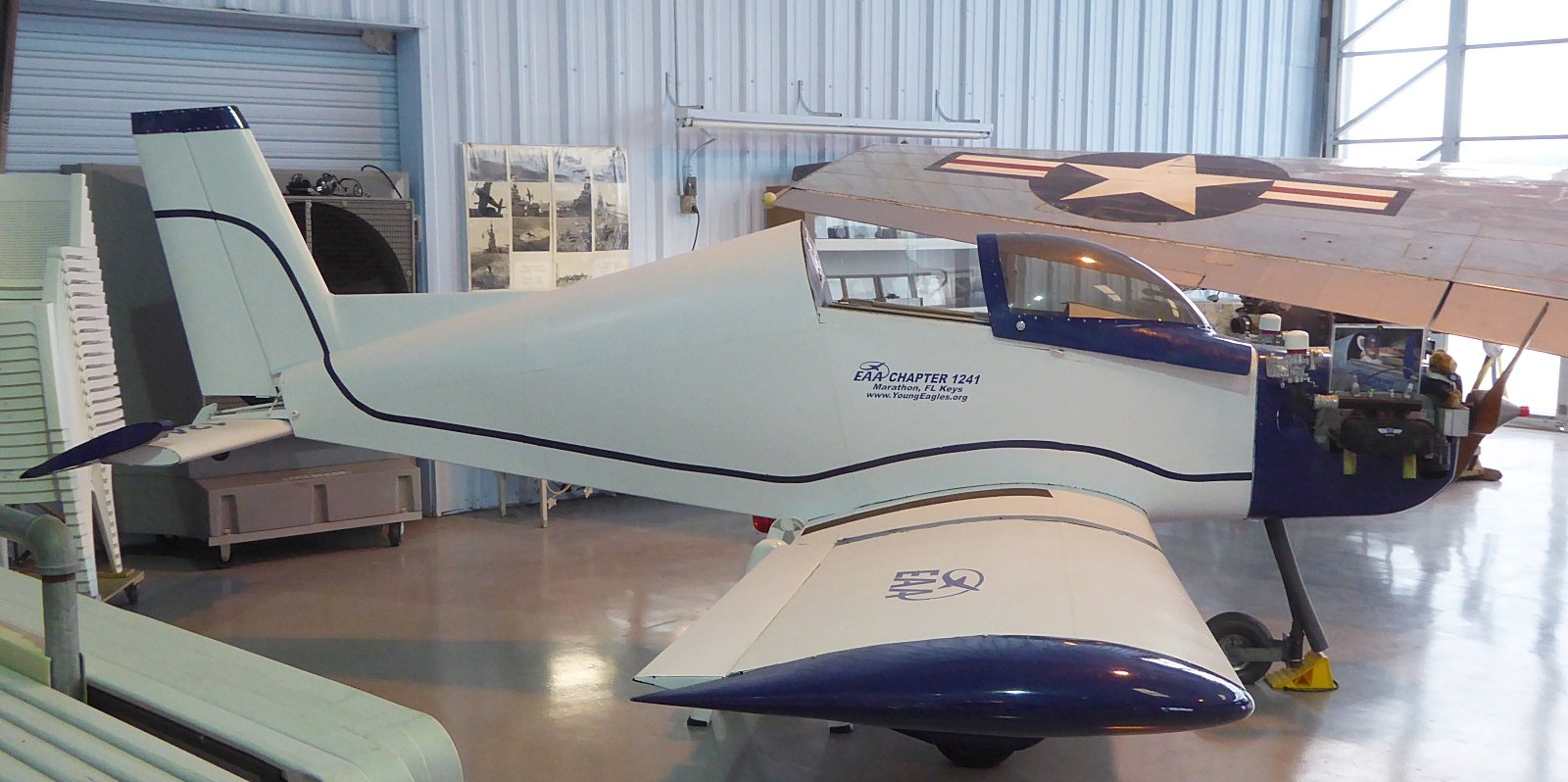
Development and Design Philosophy
Bradley Huggins founded Bradley Aerospace with the vision of bringing affordable aerobatic flying to the homebuilt aircraft community. His BA-100 Aerobat emerged as a purpose-built single-seat aerobatic machine designed around simplicity and performance. The aircraft's all-aluminum construction utilized sheet metal techniques familiar to amateur builders, while the estimated 150-hour build time made it accessible to weekend constructors seeking their own aerobatic mount.
The BA-100's design prioritized structural strength over comfort, with its narrow 22-inch cabin barely accommodating a single pilot beneath a bubble canopy that provided excellent visibility during aerobatic sequences. The cantilever low-wing configuration eliminated external bracing while housing the fuel system within the 63-square-foot wing area. Engineers stressed the airframe to withstand positive and negative 9-g loads, enabling the full spectrum of aerobatic maneuvers from loops to inverted flight.
Technical Specifications and Performance
Powering the diminutive Aerobat was a 70-horsepower Volkswagen air-cooled four-cylinder engine, an automotive conversion that had gained popularity in the experimental aircraft community for its reliability and low cost. This flat-four powerplant, originally designed for Volkswagen Beetles, proved well-suited to aerobatic applications when properly converted for aviation use. The engine turned a two-bladed wooden propeller that provided adequate thrust for the aircraft's 348-pound empty weight.
With a gross weight of just 620 pounds, the BA-100 achieved impressive performance figures that rivaled much larger aerobatic aircraft. The type could reach a maximum speed of 200 miles per hour while cruising comfortably at 150 mph. Its 50-mph stall speed provided gentle handling characteristics, while the remarkable 2,100-feet-per-minute climb rate demonstrated the effectiveness of the power-to-weight ratio. The aircraft's 20,000-foot service ceiling and 400-mile range gave pilots substantial operational flexibility.
Production History and Market Reception
Bradley Aerospace launched the BA-100 kit program during the experimental aircraft boom of the 1990s, targeting pilots who desired their own aerobatic capability without the expense of certified aircraft. The company sold exactly 33 kits before ceasing operations, with 28 completed aircraft reported flying by 1998. This completion rate of approximately 85 percent exceeded industry averages for kit aircraft, suggesting that Huggins had succeeded in creating a buildable design.
The standard kit included options for both tricycle and conventional landing gear configurations, allowing builders to match their personal preferences and operating requirements. A STOL (Short Takeoff and Landing) kit provided additional versatility for operations from shorter airstrips. Despite these options and the aircraft's proven performance, the limited production run reflected the niche market for single-seat aerobatic aircraft in an era when most homebuilders preferred two-seat designs.
The Manufacturer's Evolution
Bradley Aerospace represented Bradley Huggins' attempt to establish a presence in the competitive kit aircraft market. Following the BA-100's modest success, the company developed the two-seat BA-200 ATAC, of which only one example was built. Plans for a three-seat BA-300 Himat never progressed beyond the design stage, indicating the challenges faced by small aircraft manufacturers in scaling their operations.
By April 2015, Bradley Aerospace had officially suspended operations, joining the ranks of numerous small aircraft manufacturers that struggled to maintain profitability in the specialized kit market. The company's location in Chico, California, had provided access to a skilled aerospace workforce, but ultimately could not overcome the fundamental economics of low-volume aircraft production.
Operational Legacy
The BA-100 found its primary role in the hands of sport pilots seeking affordable aerobatic experience. EAA Chapter 1241 built one example from a donated kit, highlighting the aircraft's appeal within the experimental aviation community. The type's single-seat configuration limited its use to solo aerobatic practice, preventing it from serving in instructional roles that might have expanded its market appeal.
By December 2013, only three BA-100s remained on the FAA registry, representing a significant decline from the 28 aircraft reported flying in 1998. This attrition rate reflected the challenges facing aging experimental aircraft, particularly those from manufacturers no longer able to provide parts and technical support. The surviving examples represent important artifacts of 1990s homebuilt aviation, demonstrating one designer's vision of accessible aerobatic flying.
The BA-100 Aerobat's legacy lies not in revolutionary design innovations, but in its demonstration that dedicated individuals could create viable aircraft serving specialized markets. While Bradley Huggins' company ultimately failed to achieve long-term success, his design provided nearly three dozen builders with the opportunity to construct their own aerobatic aircraft, embodying the experimental aviation community's spirit of innovation and self-reliance.