
Development and Design Origins
The ASAP Beaver's story began in the early 1980s when Larry Croome founded Spectrum Aircraft Inc. and developed the single-seat RX-28 ultralight. Croome's design philosophy centered on creating aircraft that met strict U.S. Federal Aviation Regulation Part 103 requirements, which mandated a maximum empty weight of 254 pounds for single-seat ultralights. The RX-28 achieved this goal with a 232-pound empty weight, powered by a 28-horsepower Rotax 277 single-cylinder, two-stroke engine.
Recognizing the demand for training aircraft in the expanding ultralight market, Croome evolved his design into the two-seat RX-550, which would become known as the Beaver. The aircraft made its debut at a Los Angeles ultralight show in December 1984, generating immediate interest from flight schools and private operators seeking a reliable training platform.
First Flight and Early Production
The RX-550 completed its first test flight in February 1985, demonstrating the docile handling characteristics that would make it popular with flight instructors. Unlike its single-seat predecessor, the RX-550 was powered by a 50-horsepower Rotax 503 two-stroke engine, providing adequate performance for training operations while maintaining the reliability that became the aircraft's trademark.
Spectrum Aircraft experienced rapid success with the Beaver design. By 1990, the company had delivered more than 1,800 kits worldwide, with aircraft operating across Canada, the United States, and as far away as Africa. This production volume established the RX-550 as one of the most successful ultralight designs of its era.
Manufacturing Transition
The aircraft's development faced a significant transition in 1986 when Larry Croome departed Spectrum Aircraft. Despite this change in leadership, production continued through at least 1990. However, by the mid-1990s, the original tooling and production rights became available for acquisition.
In 1995, Aircraft Sales and Parts (ASAP), based in Vernon, British Columbia, purchased the Beaver tooling from Spectrum Aircraft. Under owner Brent Holomis, ASAP redesigned aspects of the RX-550 while maintaining the fundamental characteristics that had made it successful. This acquisition ensured the design's continuation and provided ongoing support for the large fleet of existing aircraft.
Technical Characteristics and Performance
The Beaver's success stemmed from its straightforward design approach and forgiving flight characteristics. The high-wing configuration provided inherent stability, while the fabric-covered steel tube fuselage offered both light weight and adequate durability for training operations. Early production aircraft encountered a technical challenge when the main fuselage tube experienced cracking due to heat from the engine muffler, but this issue was resolved by relocating the muffler, significantly improving the aircraft's durability.
The choice of Rotax engines proved particularly astute, as these Austrian-manufactured powerplants had established a reputation for reliability in the ultralight market. The 503 engine's 37-kilowatt output provided sufficient power for training operations while maintaining the fuel efficiency expected from ultralight aircraft.
Training Role and Operational Success
The RX-550 earned recognition as Canada's most popular ultralight trainer, a status attributed to its predictable handling and rugged construction. Flight schools appreciated the aircraft's forgiving nature, which allowed student pilots to develop skills without the concern of encountering unexpected flight characteristics. Brent Holomis of ASAP noted in historical accounts that the aircraft's ease of flight made it particularly suitable for training operations.
The aircraft's operational flexibility extended beyond basic training. Its rugged construction allowed operations from various terrain types, making it suitable for flight schools operating in diverse geographical conditions. This versatility contributed to its adoption across different climates and operating environments, from Canadian prairies to African airfields.
Legacy and Continuing Operations
The ASAP Beaver's legacy lies in its contribution to ultralight aviation training during a critical period of the sport's development. The 1980s and 1990s represented a time of rapid growth in recreational flying, and reliable training aircraft like the Beaver helped establish safety standards and training protocols that continue to influence ultralight instruction today.
ASAP remains active in supporting the existing fleet, though exact numbers of aircraft still in service remain unclear. The high production numbers suggest that many examples continue to operate with flight schools and private owners. The design's enduring appeal is evidenced by ASAP's decision to acquire and redesign the aircraft nearly a decade after original production ended, demonstrating confidence in the fundamental soundness of Croome's original concept.
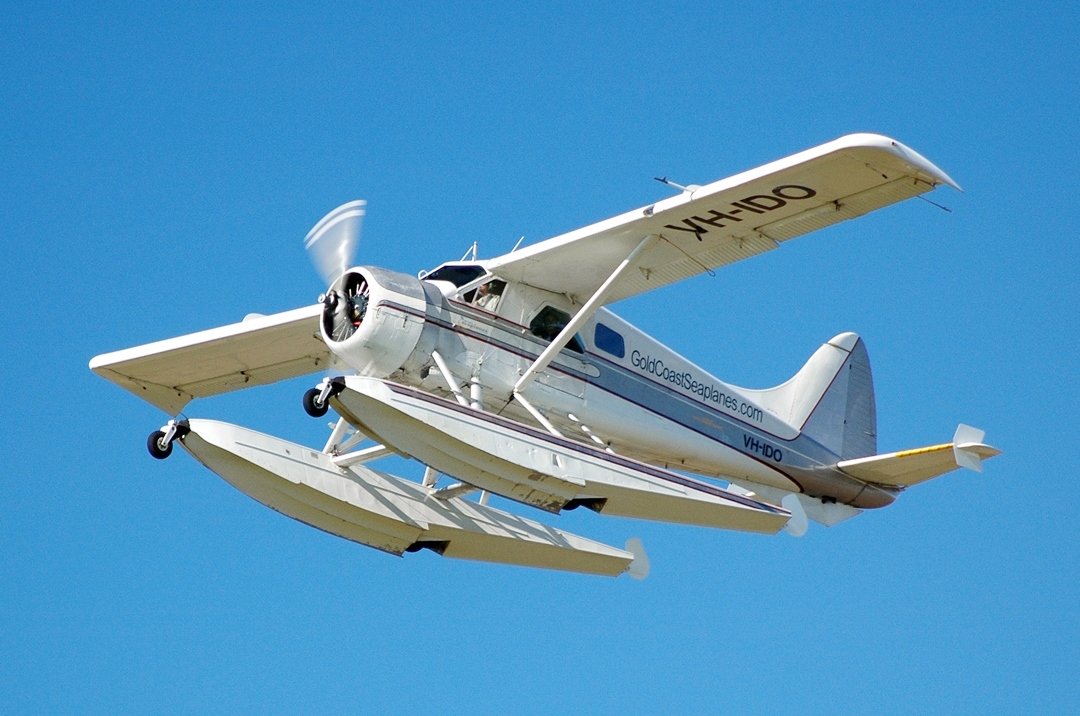
The aircraft should not be confused with the famous de Havilland Canada DHC-2 Beaver, despite sharing the same common name. While both aircraft served important roles in Canadian aviation, the ASAP Beaver carved out its own niche in the ultralight and training market, proving that effective aircraft design often lies in simplicity and reliability rather than complexity.