
Service History
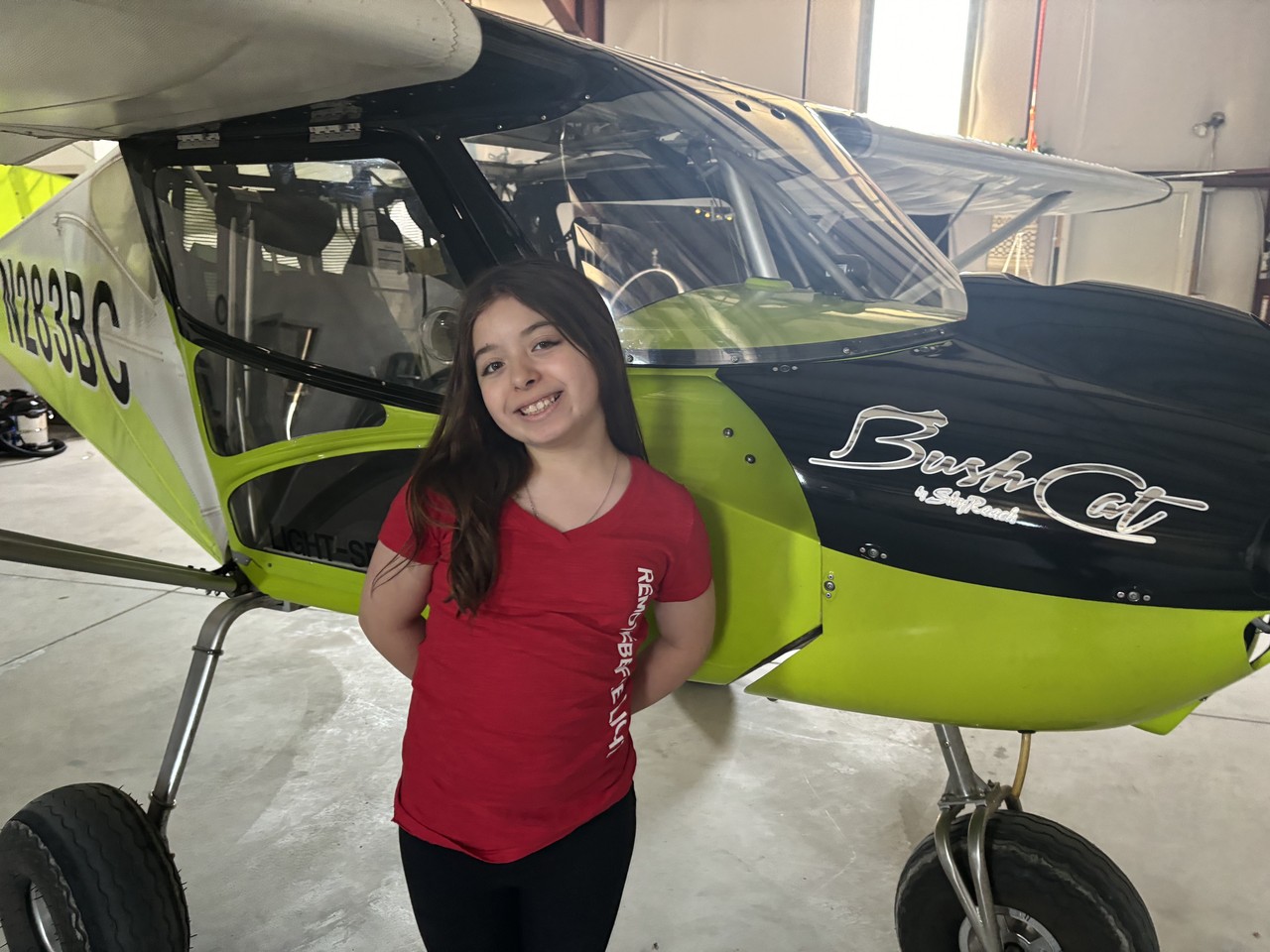
The BushCat established itself as a premier choice for pilots operating in remote wilderness areas across six continents. More than 200 aircraft found homes with private owners and bush pilots throughout South Africa, Australia, New Zealand, Canada, Israel, Poland, the United States, and Europe. By April 2018, the Federal Aviation Administration had registered 26 BushCats in the United States alone. The aircraft proved particularly valuable for conservation work, with several examples deployed on anti-poaching patrols across African game reserves. Its removable doors made it ideal for aerial photography and wildlife scouting missions.
In 2016, two BushCats demonstrated their long-distance capabilities by completing a grueling 15,000-kilometer Crete-to-Cape rally, showcasing the aircraft's reliability across diverse terrain and weather conditions. The type's versatility extended to specialized configurations, including seaplane variants equipped with floats for water operations.
The Manufacturer
Rainbow Aircraft originated in the late 1990s at Springs airfield near Johannesburg, South Africa, founded by Mike Blyth, who would later establish Sling Aircraft. The company began developing the Cheetah precursor in the late 1990s before evolving into Rainbow SkyReach (Pty) Ltd during the 2010s under the leadership of the Maritz brothers and General Manager Mike Gill, who spearheaded BushCat development.
The company operated for over two decades before facing closure in May 2024, when Rainbow SkyReach ceased manufacturing new aircraft. By November 2024, the company had fully ceased trading operations. However, the BushCat's story continued when BushCat Aircraft Australia acquired the intellectual property and manufacturing rights, ensuring continued support for the existing fleet and potential future production.
Engine & Technical Details
Vladimir Chechin of SkyReach Aircraft led the design evolution from the original Rainbow Cheetah into the refined BushCat, working with an in-house aeronautical engineering team. The South African Test Flight Academy in Oudtshoorn conducted flight testing to validate the aircraft's performance characteristics. Design priorities emphasized simplicity, ruggedness, low operating costs, and recreational flying capabilities in challenging bush environments.
The BushCat incorporated several innovative features that set it apart from conventional light aircraft. Engineers replaced the traditional Clark-Y airfoil with a symmetrical wing profile optimized for bush flying performance. The empennage grew up to 50 percent larger than the original Cheetah design, providing enhanced control authority in challenging conditions. Sprung aluminum landing gear replaced conventional designs, while hydraulic disc brakes superseded mechanical drum systems for improved stopping performance.
Standard powerplants included the 80-horsepower Rotax 912UL or the 100-horsepower Rotax 912ULS, both four-stroke inline engines manufactured by BRP-Rotax GmbH & Co KG. Alternative options comprised the 85-horsepower Jabiru 2200 or the 64-horsepower Rotax 582. The Rotax 912 series, which entered production in the early 1990s, had accumulated more than 40,000 units produced by 2020, establishing a reputation for reliability in light-sport applications.
Construction and Design Philosophy
The BushCat employed a fabric-covered aluminum tube structure connected with bolted stainless steel brackets, facilitating field repairs in remote locations where welding equipment might be unavailable. This construction philosophy aligned with the aircraft's intended mission of operating far from conventional maintenance facilities.
With a wingspan of 31 feet 6 inches and wing area of 146 square feet, the BushCat achieved an aspect ratio of 6.8. The cabin provided what the manufacturer claimed was the widest interior in its class, accommodating two occupants side-by-side with generous headroom for extended flights.
Performance Characteristics
The BushCat delivered impressive short-field performance with a stall speed of just 35 mph with flaps deployed, enabling operations from confined strips typical of bush flying environments. Cruise speed reached 105 mph, while the never-exceed speed was set at 125 mph. The aircraft demonstrated substantial range capabilities with 1,080 kilometers possible, supported by 94 liters of fuel capacity and endurance extending up to five hours at economical cruise settings.
Engineering specifications included a power loading of 5.6 kilograms per horsepower and maximum wing loading of 41.2 kilograms per square meter. The airframe demonstrated robust construction with ultimate load factors of +6G and -4G at the maximum light sport aircraft weight of 600 kilograms (1,320 pounds).
Legacy and Current Status
The BushCat represented a successful evolution from microlight aircraft roots into a fully certified light sport aircraft meeting ASTM and CS-LSA standards. Its global export success demonstrated the viability of South African aircraft manufacturing and design capabilities. The aircraft's cultural significance extended beyond recreational flying into conservation efforts, where its bush flying capabilities directly supported wildlife protection initiatives.
As of 2024, more than 200 BushCats remain active worldwide, with additional kit aircraft under construction. The transition to Australian ownership ensures continued parts support and potential future development, maintaining the type's presence in the global light sport aircraft market. Notable examples include N173ER configured as a seaplane and N18AN, registered in 2018, representing the aircraft's adaptability to diverse operational requirements.