
Service History
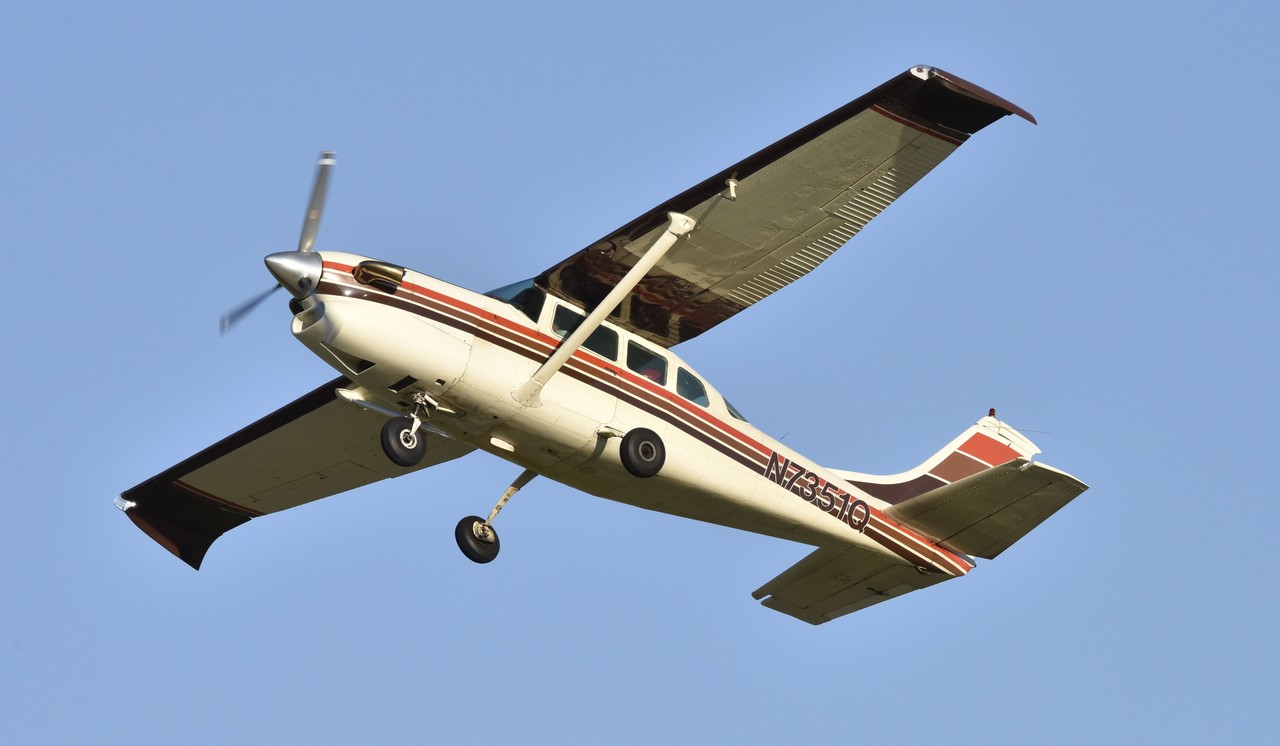
The Cessna 206 Turbine carved out a specialized niche in general aviation, serving operators who required the reliability and performance of turbine power in a single-engine platform. From 1985 to 2007, these converted aircraft found favor with charter operators, corporate users, and specialized mission providers who valued the 250-C20's superior altitude performance and cold-weather reliability. The turbine conversion commanded premium pricing but delivered operational advantages that justified the investment for demanding users.
The Modification Program
Soloy Aviation Solutions pioneered the turbine conversion market when they obtained supplemental type certificate approval in 1983 for their Cessna 206 modification program. The company's engineers replaced the standard Continental IO-520 piston engine with the proven Rolls-Royce Allison 250-C20 reverse-flow turboshaft, a powerplant already established in helicopter applications. This 417-horsepower turbine delivered nearly double the power of the original piston engine while providing the smooth operation and reliability characteristics inherent to turbine technology.
In October 2008, Soloy introduced the Mark II version, specifically targeting the 1998-2004 Cessna 206H and turbocharged 206H models. This second-generation conversion incorporated lessons learned from two decades of turbine operations and reflected advances in both engine technology and installation techniques.
The Base Aircraft Foundation
The conversion built upon Cessna's proven 206 airframe, which had demonstrated its versatility since first flying in 1964. Cessna produced the original 206 series through 1986, manufacturing over 6,500 units before temporarily discontinuing the line. The company reintroduced the model in 1998 as part of their renewed focus on the general aviation market, continuing production through 2015.
The 206's high-wing design provided inherent stability and excellent short-field performance characteristics that complemented the turbine engine's power advantages. The aircraft's robust landing gear and spacious cabin made it suitable for operations from unimproved airstrips, while the turbine powerplant enabled operations at higher altitudes and in more challenging weather conditions than piston variants could manage.
Technical Innovation
The Rolls-Royce Allison 250-C20 installation required extensive modification of the 206's engine compartment and systems. Soloy's engineers redesigned the engine mount structure to accommodate the turbine's different mounting requirements and weight distribution. The conversion included new fuel system components optimized for turbine fuel consumption patterns and modified engine controls suited to turbine operation.
The reverse-flow design of the 250-C20 positioned the compressor inlet at the rear of the engine, with exhaust exiting forward and downward. This configuration required careful attention to inlet design and foreign object debris protection, critical considerations for an aircraft intended for operations from unimproved surfaces.
Performance Characteristics
Pilots appreciated the turbine conversion's smooth power delivery and reduced vibration compared to piston variants. The 417-horsepower rating provided substantial power reserves for high-altitude operations and hot-and-high conditions that challenged piston-powered aircraft. The turbine's flat power curve maintained performance capabilities across a wider range of operating conditions.
The conversion's operational ceiling exceeded that of piston variants, while fuel consumption patterns differed significantly from piston engines. Turbine fuel offered advantages in cold-weather operations and provided better availability at many remote airports compared to aviation gasoline.
Market Position and Legacy
The Cessna 206 Turbine occupied a unique position in the general aviation market, predating Cessna's factory-built Caravan by two years. This modification program demonstrated market demand for single-engine turbine aircraft and likely influenced Cessna's decision to develop the larger Caravan as a purpose-built turbine single.
Production of the conversion spanned over two decades, with Soloy continuing to support existing aircraft even after discontinuing new conversions. The program's longevity testified to the soundness of the engineering approach and the sustained market demand for turbine-powered utility aircraft.
Today, surviving examples of the Cessna 206 Turbine represent an important chapter in general aviation history, demonstrating how supplemental type certificates can create entirely new aircraft categories. These conversions continue operating worldwide, serving specialized missions that benefit from their unique combination of turbine reliability and single-engine simplicity.