
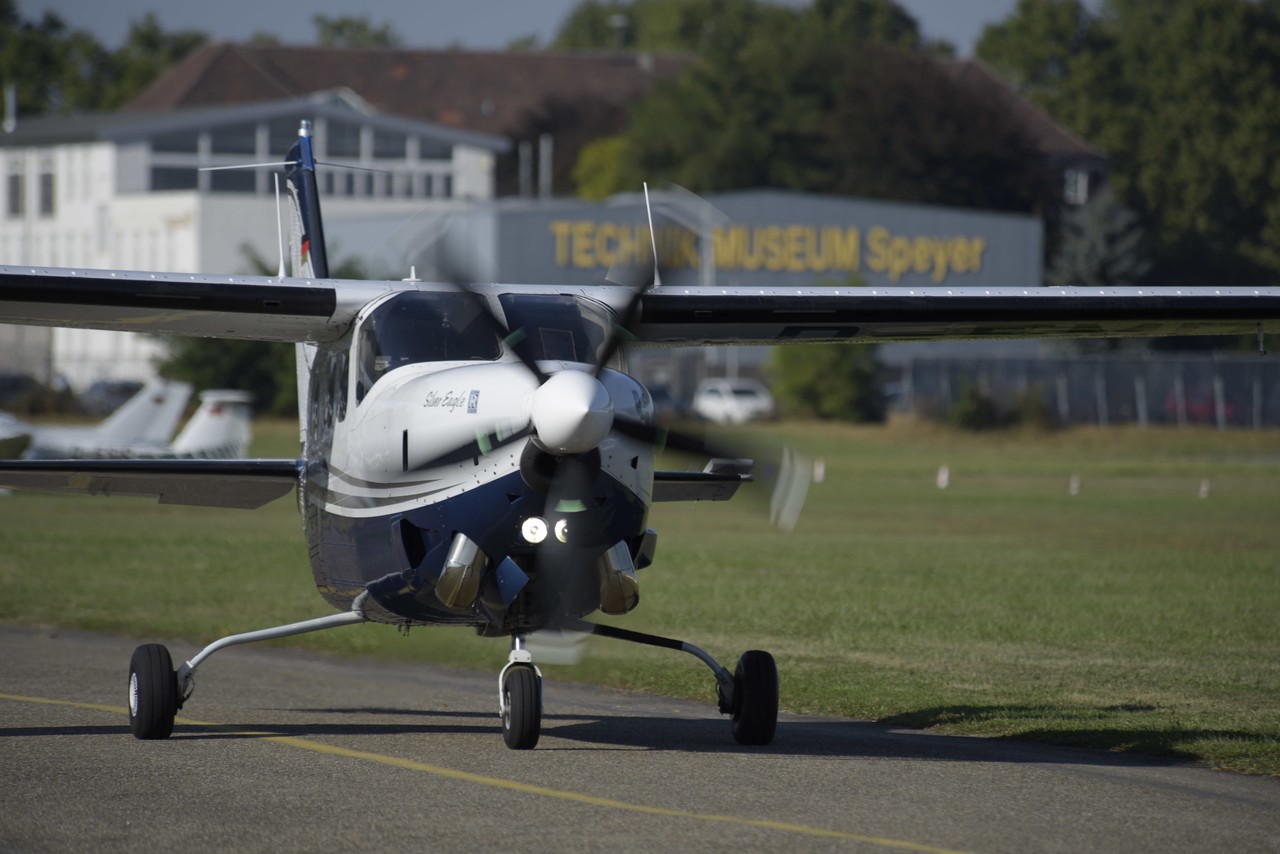
The Turbine Revolution
The Silver Eagle P210 conversion emerged from the vision of aviation industry veteran Myron Olson, who recognized the potential to transform Cessna's pressurized P210 into a turbine-powered aircraft. Beginning development in 1992, Olson's company O&N Aircraft pioneered a modification that would breathe new life into an aircraft plagued by engine reliability issues in its original piston configuration.
More than 100 Silver Eagle-modified aircraft now operate worldwide, with O&N completing 114 conversions as of recent counts. The conversion primarily targets P210 models produced between 1978 and 1986, though the company has expanded to include T210 and normally aspirated variants. This aftermarket transformation addressed the fundamental problems that had limited the original P210's success.
Original P210 Foundation
Cessna introduced the pressurized P210 Centurion in late 1977, building 834 "N" models between 1978 and 1983 before ending production in 1986. The aircraft emerged from nearly two decades of C-210 development, representing Cessna's attempt to create a high-performance single-engine aircraft bridging the gap between their 182 and twin-engine 310 models.
The original P210 suffered significant setbacks beginning in 1980 when engine failures caused by detonation led to two fatal crashes. The Continental TSIO-520-AF turbocharged engine, rated at 310 horsepower, proved problematic due to poor engine-turbocharger matching that created excessive back pressure and induction air temperatures. Emergency airworthiness directives required ultra-rich fuel mixtures that reduced performance and increased consumption.
Turbine Transformation
The Silver Eagle conversion replaces the troublesome Continental piston engine with an Allison A250 turbine, the same powerplant used in numerous helicopters and light turboprops. This transformation eliminates the detonation issues, maintenance complexity, and altitude limitations that plagued the original design. The turbine installation provides significantly improved reliability and performance characteristics.
Operators report the Silver Eagle achieves cruise speeds exceeding 280 knots true airspeed at flight levels above 25,000 feet, representing a substantial improvement over the original P210's performance envelope. The turbine engine allows the aircraft to maintain full power and pressurization throughout its operational altitude range, addressing the original model's inability to maintain manifold and cabin pressure above 16,000 to 18,000 feet.
The Cessna Legacy
Cessna Aircraft Company, founded in 1927 by Clyde Cessna, developed the 210 series after a four-year development process beginning in the late 1950s. The company introduced the original 210 Centurion in late 1959 as a retractable-gear single-engine aircraft designed to compete with the Beechcraft Bonanza. The P210 represented the pinnacle of this development, being the first single-engine aircraft certified for known icing conditions.
The 210 production line never resumed when Cessna returned to aircraft manufacturing in 1996 following the general aviation downturn of the 1980s. Economic conditions and liability concerns ended production of the entire 210 series, leaving the aftermarket conversion market to fulfill demand for high-performance single-engine turbine aircraft.
Operational Excellence
Pilots praise the Silver Eagle for combining single-engine simplicity with turbine reliability and performance. The conversion maintains the original aircraft's six-seat pressurized cabin while providing jet-like climb rates and cruise performance. The Allison A250's proven reliability record in helicopter applications translates to reduced maintenance requirements compared to the complex turbocharged piston engine.
The aircraft retains the original P210's 4,000-pound gross weight while significantly improving useful load through reduced engine weight and simplified systems. Fuel capacity remains at 90 gallons standard or 120 gallons with long-range tanks, though the turbine's fuel consumption characteristics differ substantially from the original piston engine.
Market Position
Of the original 834 P210N models produced, 478 remained registered in the United States as of recent surveys, representing more than 50 percent of the total production run. This high survival rate provides a substantial pool of candidates for turbine conversion, supporting the continued viability of the Silver Eagle program.
The conversion addresses a unique market niche for owners seeking turbine performance without the complexity and cost of twin-engine aircraft. The Silver Eagle competes with other single-engine turboprops while offering the advantage of converting existing airframes rather than requiring new aircraft purchases. This approach has proven successful enough to sustain continuous production for over three decades since the program's 1992 inception.