
Service History
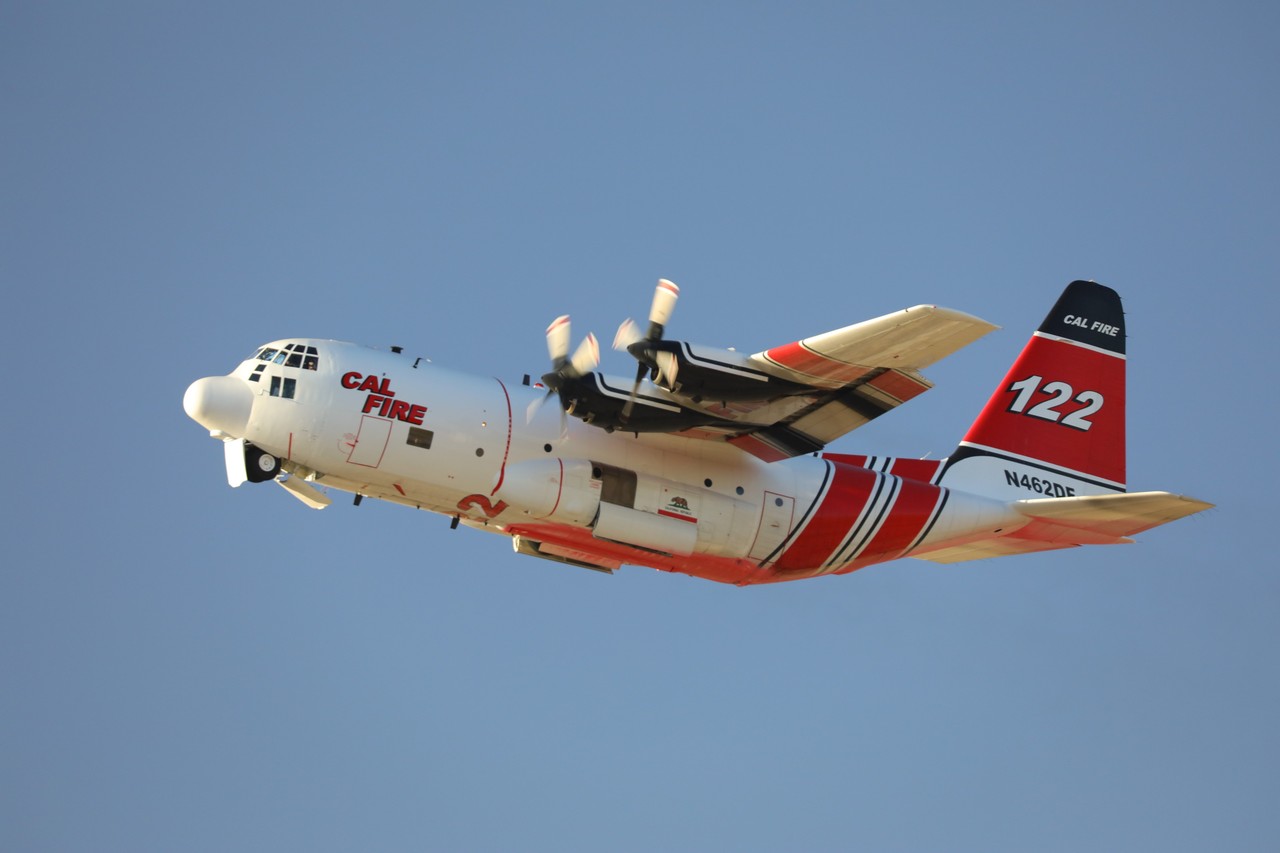
The C-130H dominated tactical military airlift from its introduction in March 1965, with 1,202 units delivered making it the most numerous variant of the Hercules family. By recent counts, over 1,000 C-130Hs remain in active service globally, operated by more than 100 air forces including the U.S. Air Force, Navy, and Coast Guard. The aircraft's unprecedented versatility enabled it to fulfill roles far beyond its original transport mission, spawning specialized variants including the HC-130 for search and rescue, MC-130 for special operations, and KC-130 for aerial refueling.
The H-model's dominance stemmed from its significant power upgrade over earlier variants, featuring four Allison T56-A-15 turboprop engines producing 4,910 horsepower each—a substantial increase from the 3,750 horsepower T56-A-1A engines of initial production aircraft. This enhanced power enabled operations in extreme environments from polar regions to combat zones, with proven reliability that made the Hercules indispensable for military logistics worldwide.
Wartime and Operational History
Since entering USAF service in 1956, the C-130 family served extensively in every major American conflict from the Vietnam War through modern operations in Afghanistan. During the Vietnam era, HC-130H variants, which first flew on December 8, 1964, conducted critical search and rescue missions for downed aircrew. The aircraft's tactical transport capabilities proved essential for resupply operations in remote locations, while specialized variants performed reconnaissance and special operations missions.
The Hercules demonstrated remarkable operational flexibility, conducting missions ranging from routine cargo transport to extraordinary tasks including mid-air satellite retrieval and polar supply drops. Combat variants were equipped with cannons and bombs for ground attack roles, while the basic transport configuration could rapidly reconfigure between cargo, troop transport, and medical evacuation missions, accommodating 18 stretchers when serving as an air ambulance.
The Manufacturer
Lockheed Aircraft Corporation, founded in 1912, established its Georgia Division in January 1951 at the former Bell Aircraft Government Plant 6 in Marietta. This facility, originally opened in April 1943 for B-29 production during World War II, became the exclusive manufacturing site for C-130 production except for the two YC-130 prototypes built in Burbank, California. Following Lockheed's merger with Martin Marietta in 1995, Lockheed Martin continued C-130 production at Marietta, creating the longest continuous military aircraft production line in aviation history.
The Marietta plant integrated major components sourced from Lockheed facilities in Meridian, Mississippi; Clarksburg, West Virginia; Johnstown, Pennsylvania; and Pinellas Park, Florida. Beyond the C-130, this facility produced other significant military aircraft including the C-141 Starlifter, C-5 Galaxy, and F-22 Raptor, establishing Lockheed as a premier military transport manufacturer.
Engine and Technical Innovation
The C-130H's four Allison T56-A-15 turboprop engines, manufactured by Allison Engine Company (now Rolls-Royce Corporation), represented a breakthrough in military transport propulsion. Each engine drove three-bladed Curtiss-Wright reversible propellers, enabling the short takeoff and landing performance that became the Hercules' signature capability. The T56 engine family, in production since 1954 with over 17,000 units manufactured across all variants, proved exceptionally reliable across diverse operating conditions.
Designed by a team led by Willis Hawkins to meet the U.S. Air Force Tactical Air Command's demanding 1951 specification, the aircraft incorporated innovations that exceeded original requirements. The high-wing configuration and turboprop powerplants enabled operations from 800-foot airstrips, while the capacious fuselage provided unprecedented cargo versatility for a tactical transport.
Performance and Pilot Perspective
Operating with a standard crew of five, the C-130H achieved a maximum speed of 366 knots (420 mph) and service ceiling of 33,000 feet. Its operational range of 2,360 nautical miles enabled long-distance missions without refueling, while the aircraft's exceptional maneuverability surprised even its designers, proving far more agile than anticipated during initial flight testing.
The aircraft's reputation among aircrew centered on its forgiving handling characteristics and ability to operate from challenging airfields worldwide. Pilots appreciated the redundancy of four engines and the aircraft's stability during low-speed operations essential for precise cargo drops and challenging approaches to unprepared landing sites.
Production and Legacy
Total legacy C-130 production reached 2,271 aircraft across all variants from 1954 to 1997, with the final C-130H delivered to Japan in September 1997. Production peaked at 140 aircraft in 1957, with over 100 units annually manufactured during the program's height. The civil L-100 series, FAA-approved in February 1965, attracted operators including Flying Tigers airline, though commercial adoption remained limited compared to military applications.
The C-130's cultural impact extends beyond military service, featuring prominently in films depicting military operations and symbolizing American tactical airlift capability. With C-130J production continuing through planned 2040+ deliveries and over 300 modern variants already delivered, the Hercules design influences continue shaping contemporary military transport aircraft development, cementing its position as one of aviation's most successful and enduring designs.