
Development and Design Origins
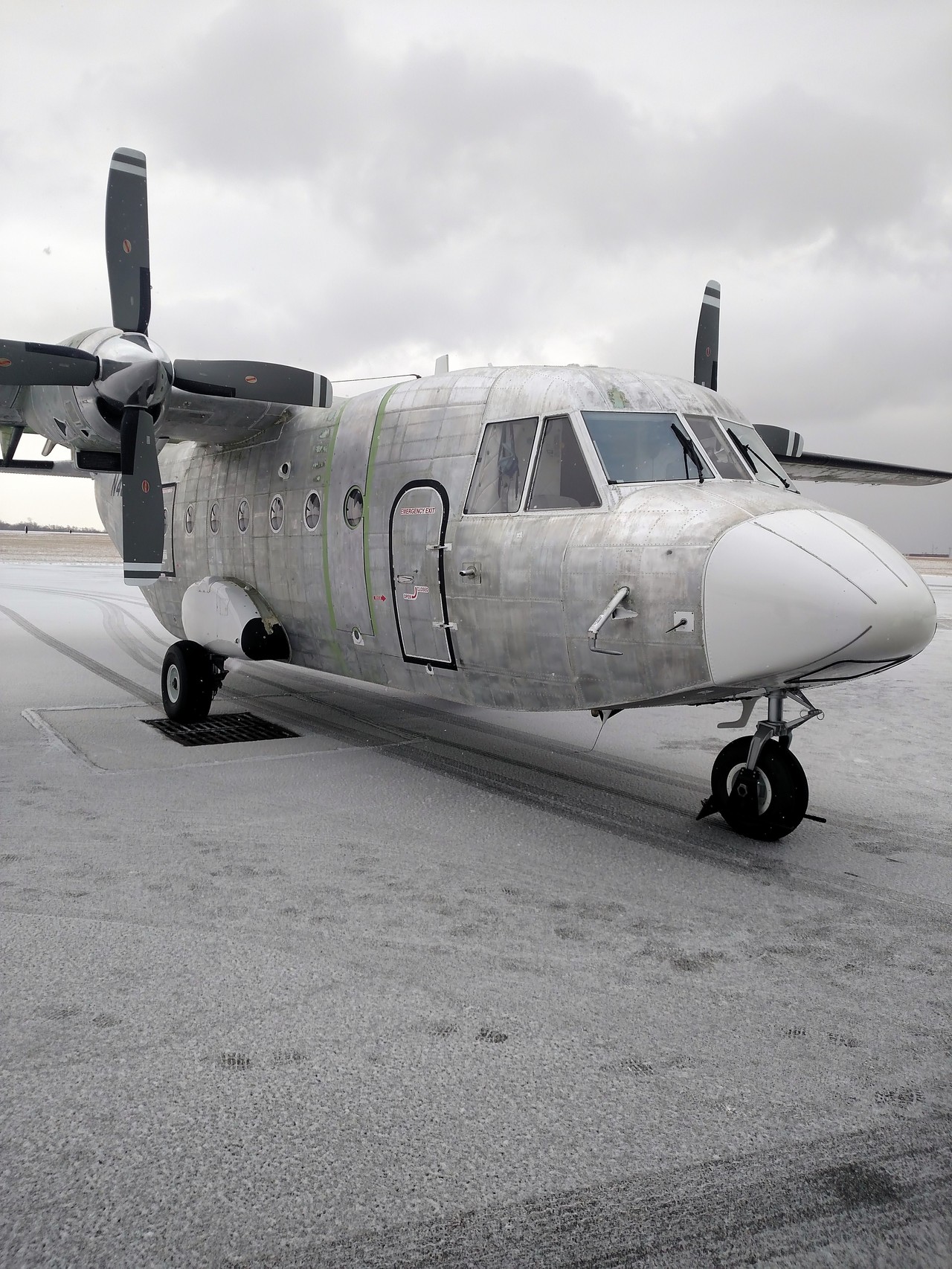
The C-212 Aviocar emerged from Spain's ambition to modernize its aviation industry during the 1960s. Development commenced in 1964 when the Spanish Air Force identified an urgent need to replace its aging transport fleet. CASA engineers prioritized practical versatility over cutting-edge technology, creating a boxy fuselage design with a high-mounted wing and conventional tail configuration. The non-retractable tricycle landing gear further emphasized operational simplicity and maintenance accessibility.
Production Achievement
Spanish production at the Seville facility at San Pablo Airport spanned an remarkable 41 years, from 1971 to 2012, yielding 477 aircraft. The prototype's maiden flight on March 26, 1971, launched what would become one of Europe's longest-running aircraft production programs. Initial deliveries began with the Spanish Air Force receiving their first Aviocar in May 1974, followed by the first civilian variant in July 1975.
International Manufacturing Success
Indonesia became the second production center when licensed manufacturing began in August 1976 under IPTN, later PT Dirgantara Indonesia (PTDI). This technology transfer proved highly successful, with Indonesian production continuing through 2014 and eventually transitioning to the upgraded NC-212i variant. In February 2013, Airbus agreed to transfer all C-212 production rights to PTDI, marking the end of European manufacturing.
Engine Evolution and Performance
The Aviocar's power plants evolved significantly across variants. Early C-212-100 and -200 series aircraft employed Garrett TPE331-5 engines, while the -300 series upgraded to more powerful TPE331-10 powerplants. The C-212-400, introduced with its first flight on April 4, 1997, featured 925-shaft-horsepower Honeywell TPE331-12JR-701C engines alongside modern digital avionics and autopilot systems. This final variant represented the pinnacle of Aviocar development.
Military Service Record
The Spanish Air Force became the launch customer, formally adopting the aircraft in 1974 and bestowing the "Aviocar" designation. Military operators utilized the aircraft across diverse missions including troop transport, medical evacuation, and paratrooper operations. The aircraft could accommodate 28 fully equipped paratroopers or be configured for medical evacuation duties. Indonesian military services, including the National Police and Army, became major operators alongside Spain.
Commercial Aviation Success
Civilian operators embraced the C-212's 21-passenger capacity and exceptional cabin comfort for a regional aircraft. Indonesian domestic carriers such as Nusantara Buana Air and Sabang Merauke Raya Air Charter operated significant fleets. The aircraft's unpressurized design and 10,000-foot operational ceiling made it ideal for short-haul regional routes where cabin pressure wasn't required. While less common in North America, the type maintained a steady presence in commercial service worldwide.
CASA Legacy and Corporate Evolution
Construcciones Aeronáuticas S.A. established itself as Spain's premier aircraft manufacturer through the C-212 program. By 2010, production had slowed to just two aircraft annually before Airbus Military assumed production operations. The program represented Spain's most significant aerospace export success, demonstrating the country's capability to design, manufacture, and support a globally competitive aircraft.
Global Impact and Current Status
At the program's peak, 290 C-212s remained operational across 40 countries, with Indonesia leading at 70 aircraft, followed by the United States with 37, and Spain with 26. The aircraft's rugged construction and sport-utility versatility enabled operations in challenging environments worldwide. From Arctic research missions to tropical cargo runs, the Aviocar proved adaptable to virtually any transport requirement.
Enduring Design Success
The C-212's four-decade production run validated CASA's design philosophy emphasizing reliability over complexity. The aircraft's straightforward systems and robust construction facilitated maintenance in remote locations while providing consistent performance. This practical approach to aircraft design created a transport that remained relevant from the 1970s through the 2010s, serving operators who valued dependability over speed or sophisticated systems.