
Design Genesis
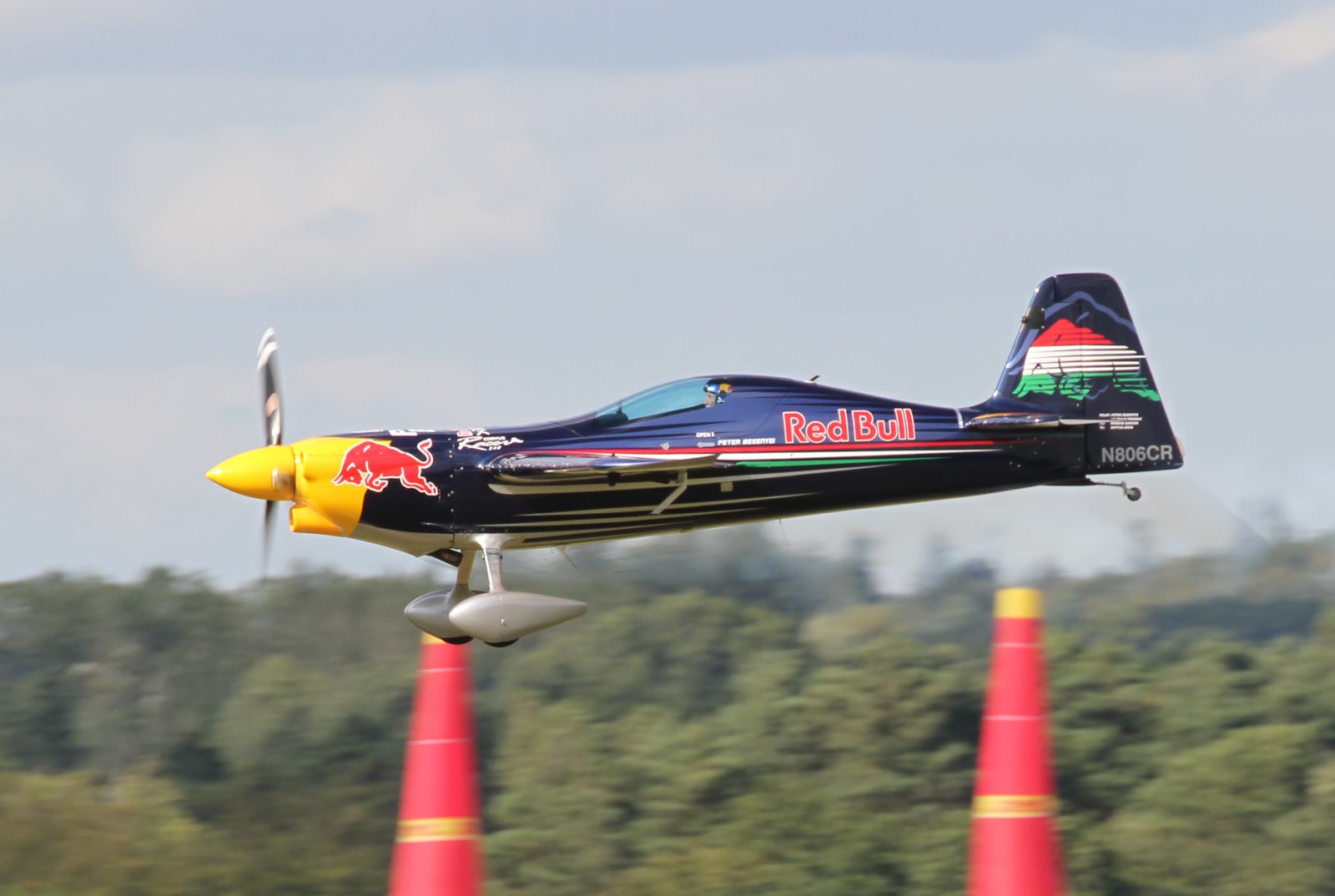
The CA-41 Racer emerged from an ambitious collaboration between designer András Voloscsuk and the Hungarian University of Aviation, beginning in 2007 under a Red Bull contract for Hungarian aerobatic pilot Péter Besenyei. The project consumed over 15,000 engineering hours focused on a singular objective: creating an exceptionally efficient airframe when engine power gains had reached practical limits. This design philosophy prioritized drag reduction and aerodynamic refinement over brute force approaches to performance enhancement.
The Manufacturer
Corvus Aircraft Ltd operated from Hungary during the late 2000s and early 2010s, producing a total of 53 aircraft across their various models. The company specialized in high-performance light aircraft, with the CA-41 representing their focus on the competitive air racing market. Manufacturing took place entirely in Hungary, reflecting the country's growing aerospace capabilities during this period. The company's current operational status remains unclear from available records.
Engineering Excellence
The CA-41's powerplant consisted of a Lycoming AEIO-540 six-cylinder air-cooled horizontally-opposed piston engine, delivering 325 horsepower through a three-bladed MTV-9-B propeller. This engine selection proved crucial for aerobatic applications, as the AEIO-540 was specifically designed for inverted flight operations and extreme G-force environments. The airframe could withstand extraordinary loads of positive and negative 14 Gs, making it suitable for the most demanding aerobatic maneuvers and competitive air racing.
Performance Characteristics
Measuring 21 feet 6.7 inches in length with a 24 feet 3 inch wingspan and standing 8 feet 2 inches high, the CA-41 achieved impressive performance figures. The aircraft cruised at 190 mph with a never-exceed speed of 280 mph, demonstrating the effectiveness of its drag-reduction focused design. With a gross weight of 1,510 pounds and fuel capacity of 130 liters, the single-seat aircraft offered excellent power-to-weight ratios essential for competitive flight.
Operational History
Production occurred between 2009 and 2010, with at least 9 documented units manufactured. Notable examples include serial number CA41/002 registered as N806CR and CA41/0009 registered as D-MCRS in Germany. The aircraft served exclusively in civilian roles, primarily for private aerobatic flying and air racing applications. The design's connection to Péter Besenyei, a prominent Red Bull Air Race competitor, provided valuable real-world testing and development feedback.
Racing Heritage
The CA-41 shared design lineage with the closely related Corvus Racer 540, which debuted at the April 2009 AERO Friedrichshafen show. This racing heritage influenced every aspect of the aircraft's development, from its sleek low-wing configuration to its exceptional structural strength. The design team's focus on creating an aircraft that was "very nice, nice to control" resulted in handling characteristics that met the demanding requirements of competitive aerobatic flight.
Limited Legacy
With only 9 known units produced, the CA-41 Racer represented a boutique approach to high-performance aircraft manufacturing. At least two examples maintained active registrations in Germany and the United States, suggesting some aircraft remained operational years after production ended. The aircraft's significance lies not in production numbers but in its demonstration of advanced Hungarian aerospace engineering capabilities and its contribution to the specialized field of aerobatic aircraft design.
Technical Innovation
The CA-41's development represented a mature approach to performance aircraft design, emphasizing airframe efficiency when engine technology had reached practical limitations for the intended role. This philosophy resulted in an aircraft optimized for its specific mission rather than attempting to be a general-purpose design. The extensive engineering effort invested in drag reduction and aerodynamic refinement established benchmarks for future high-performance light aircraft development.