
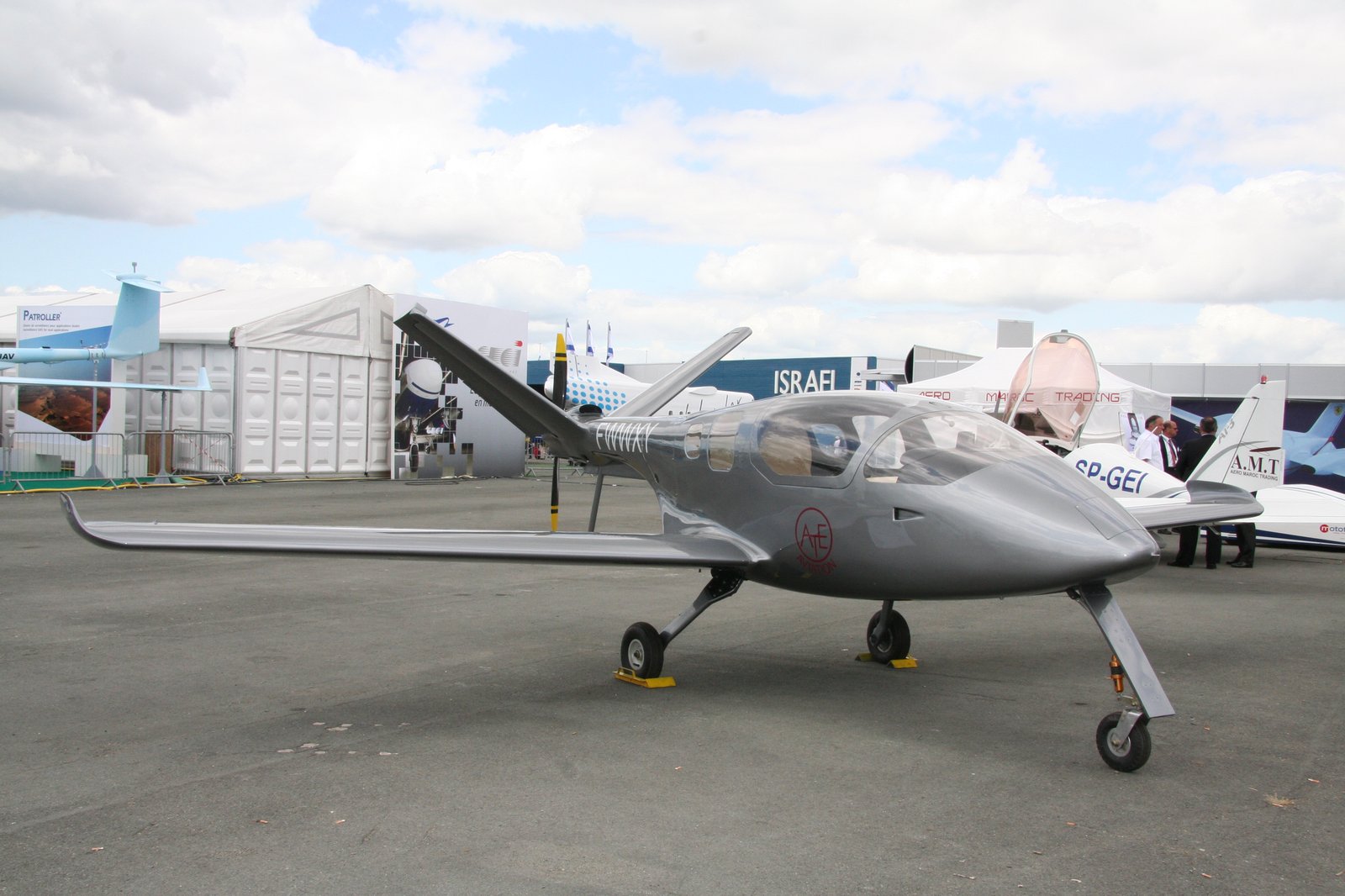
Development and Design Philosophy
The Universal Composite Carbon Bird emerged during a pivotal period in general aviation when manufacturers were actively exploring alternatives to traditional aluminum construction. The aircraft represented one of the more ambitious attempts to create a fully composite airframe for the light aircraft market, utilizing carbon fiber reinforced plastics throughout its primary structure.
The design philosophy centered on maximizing strength-to-weight ratios while achieving superior aerodynamic efficiency compared to conventional metal aircraft. Engineers at Universal Composite Aviation recognized that carbon fiber's directional strength properties could be optimized for aircraft loads, potentially offering significant performance advantages over aluminum construction.
Technical Innovation
The Carbon Bird's most notable feature was its comprehensive use of carbon fiber composite materials in both primary and secondary structures. Unlike many contemporary aircraft that used composites only for fairings and non-load-bearing components, the Carbon Bird incorporated carbon fiber in wing spars, fuselage frames, and control surfaces.
This construction approach required specialized manufacturing techniques including autoclave curing and precision layup schedules to ensure structural integrity. The resulting airframe demonstrated the potential for reduced weight while maintaining required strength margins, though the manufacturing complexity presented challenges for volume production.
Limited Production Reality
Despite its technical ambitions, the Carbon Bird remained largely a demonstration aircraft rather than achieving commercial success. At least one example, registered as F-WWXY, was documented in flight operations during 2009, suggesting the aircraft progressed beyond prototype status to actual flight testing.
The limited production can be attributed to several factors common among small composite aircraft manufacturers of the period. The specialized tooling and manufacturing processes required for carbon fiber construction created significant barriers to cost-effective production. Additionally, the general aviation market's traditional conservatism regarding new materials and unproven manufacturers limited market acceptance.
Manufacturing Challenges
Universal Composite Aviation faced the typical challenges confronting small-scale composite aircraft producers. Carbon fiber manufacturing requires precise environmental controls, specialized equipment, and highly trained technicians. The autoclave curing process, while producing superior structural properties, significantly increased production time and facility requirements compared to conventional aluminum construction.
Quality control in composite manufacturing demands rigorous inspection protocols and non-destructive testing methods to ensure structural integrity. These requirements, while essential for safety, added complexity and cost to the production process that many small manufacturers struggled to manage economically.
Market Context
The Carbon Bird entered development during a period when the general aviation industry was experiencing significant interest in composite materials. Companies like Cirrus Aircraft and Columbia Aircraft were successfully introducing composite construction to the certified aircraft market, while numerous kit manufacturers were exploring similar technologies.
However, the transition from metal to composite construction proved challenging for many manufacturers. The learning curve associated with new materials, combined with certification requirements and market acceptance issues, created substantial hurdles for smaller companies attempting to enter the composite aircraft market.
Legacy and Industry Impact
While the Carbon Bird itself achieved limited commercial success, it contributed to the broader industry understanding of composite aircraft manufacturing. The experience gained by Universal Composite Aviation and similar companies helped establish manufacturing techniques and quality standards that would benefit later composite aircraft programs.
The aircraft serves as an example of the experimental period in general aviation when numerous manufacturers were exploring composite technologies. Many of these early efforts, while not achieving commercial success, provided valuable lessons that informed subsequent generations of composite aircraft development.
Current Status
The current operational status of Carbon Bird aircraft remains unclear, with limited documentation of active examples. The aircraft's obscure production history and minimal market presence suggest that few, if any, examples remain in active service. This outcome reflects the broader challenges faced by small composite aircraft manufacturers during the 2000s, when ambitious technical goals often exceeded market realities and manufacturing capabilities.