
Historical Significance
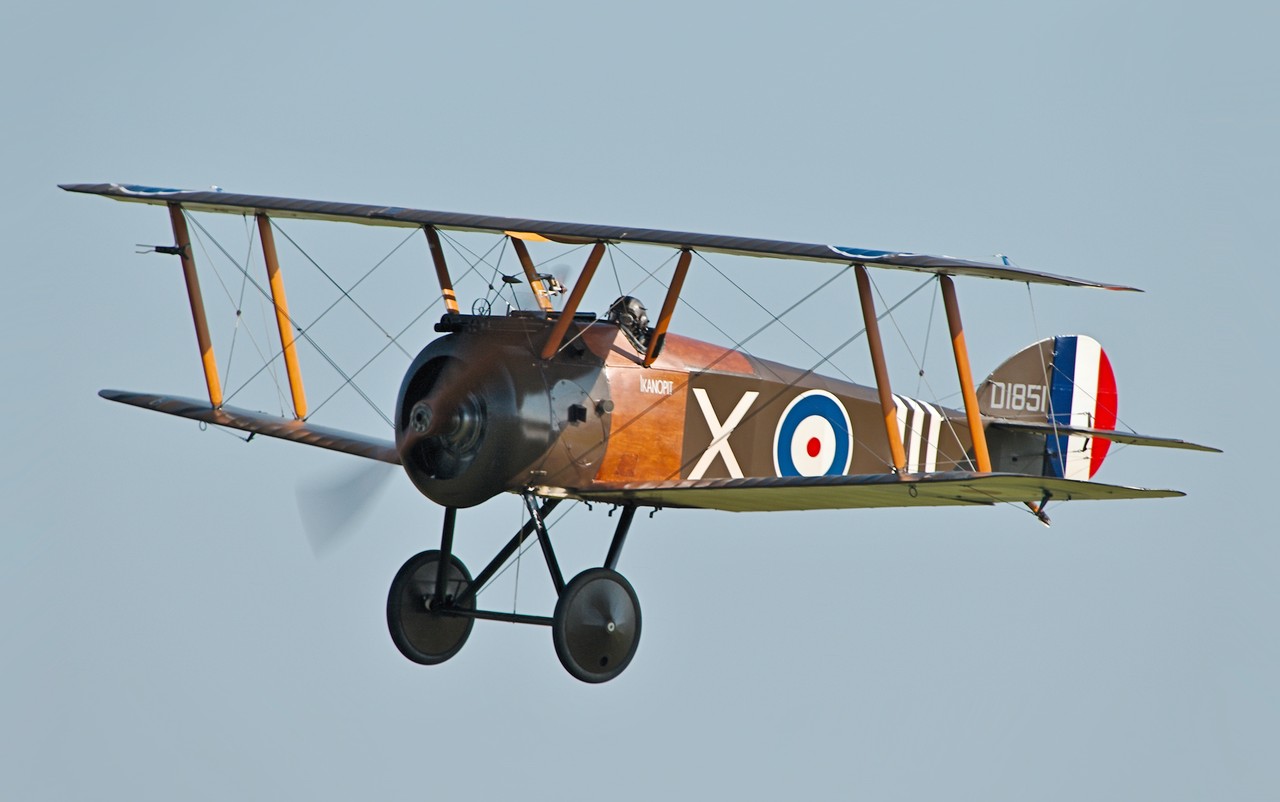
The original Sopwith Camel earned its place as the most successful fighter aircraft of World War I, credited with destroying more enemy aircraft than any other Allied fighter. This remarkable combat record made it an inevitable candidate for modern reproduction efforts, as aviation enthusiasts sought to preserve the flying characteristics and appearance of this pivotal warbird for future generations.
Modern Replica Development
Replica construction began gaining momentum in the late 20th century, with skilled craftsmen undertaking the complex task of recreating the Camel's intricate design. The most documented example emerged from Old Rhinebeck Aerodrome in Red Hook, New York, where Nathaniel deFlavia and Cole Palen completed their reproduction designated B6299 in 1992. This particular aircraft features authentic period engineering, including the challenging installation of a 160-horsepower Gnome Monosoupape rotary engine.
Dick Day contributed significantly to the replica movement with his own Camel reproductions, which operated for years at Old Rhinebeck before being relocated. These projects required extensive research into original construction techniques, as few complete original examples survived the war and subsequent decades.
Construction Challenges
Building an authentic Camel replica presents numerous technical obstacles that reflect the aircraft's World War I origins. The rotary engine configuration, where the entire engine assembly rotates around a fixed crankshaft, demands specialized knowledge and components that disappeared from mainstream aviation decades ago. Replica builders must source or manufacture period-appropriate materials, from the wooden framework covered in doped fabric to the intricate rigging systems that provided structural integrity to the biplane configuration.
The characteristic "hump" behind the cockpit, which gave the aircraft its unofficial name, houses twin synchronized Vickers machine guns in original specifications. Replica builders typically substitute non-functional weapons to meet modern safety and legal requirements while maintaining visual authenticity.
Flight Characteristics
Authentic Camel replicas retain the flight handling that made the original both effective and dangerous. The heavy rotary engine creates significant gyroscopic effects, causing the aircraft to turn rapidly to the right while resisting left turns. This characteristic allowed experienced pilots to execute lightning-quick right-hand turns in combat but contributed to numerous training accidents during the war years.
Modern pilots flying these replicas must master the same techniques their World War I predecessors learned, including managing the rotary engine's tendency to quit without warning and the aircraft's nose-heavy attitude. The absence of modern flight instruments and the open cockpit configuration provide an authentic experience of early combat aviation.
Technical Specifications
Replica Camels typically measure 18 feet 9 inches in length with an upper wingspan of 28 feet. The original's maximum speed of approximately 115 miles per hour at sea level remains achievable in well-constructed reproductions, though modern builders often prioritize safety modifications that may slightly alter performance characteristics.
The distinctive twin-bay biplane configuration, with its unequal-span wings, requires precise rigging to achieve proper flight handling. Landing gear consists of a simple taildragger arrangement with bungee cord shock absorption, demanding pilot skills largely forgotten in the era of tricycle landing gear.
Preservation Efforts
Replica Camel projects serve crucial roles in aviation education and historical preservation. These flying examples provide unique opportunities for modern audiences to experience the sights and sounds of World War I aviation, complementing static museum displays with dynamic demonstrations of period flight characteristics.
Airshow appearances by replica Camels often commemorate significant anniversaries and honor the memory of original pilots who flew these aircraft in combat. The complexity and expense of maintaining rotary engines limits the number of active examples, making each flying replica particularly valuable to aviation heritage.
Current Status
The specialized nature of Camel replica construction means production remains limited to individual craftsmen and small restoration facilities rather than commercial manufacturers. Each project requires years of dedicated work and substantial financial investment, reflecting both the aircraft's technical complexity and the rarity of appropriate components.
These replicas continue operating at select vintage aviation events and museums, where their authentic flight demonstrations provide irreplaceable connections to aviation's pioneering combat era. The ongoing maintenance of rotary engines and period-appropriate systems ensures that future generations can witness firsthand the flying qualities that made the Sopwith Camel a legend of aerial warfare.