
Service History
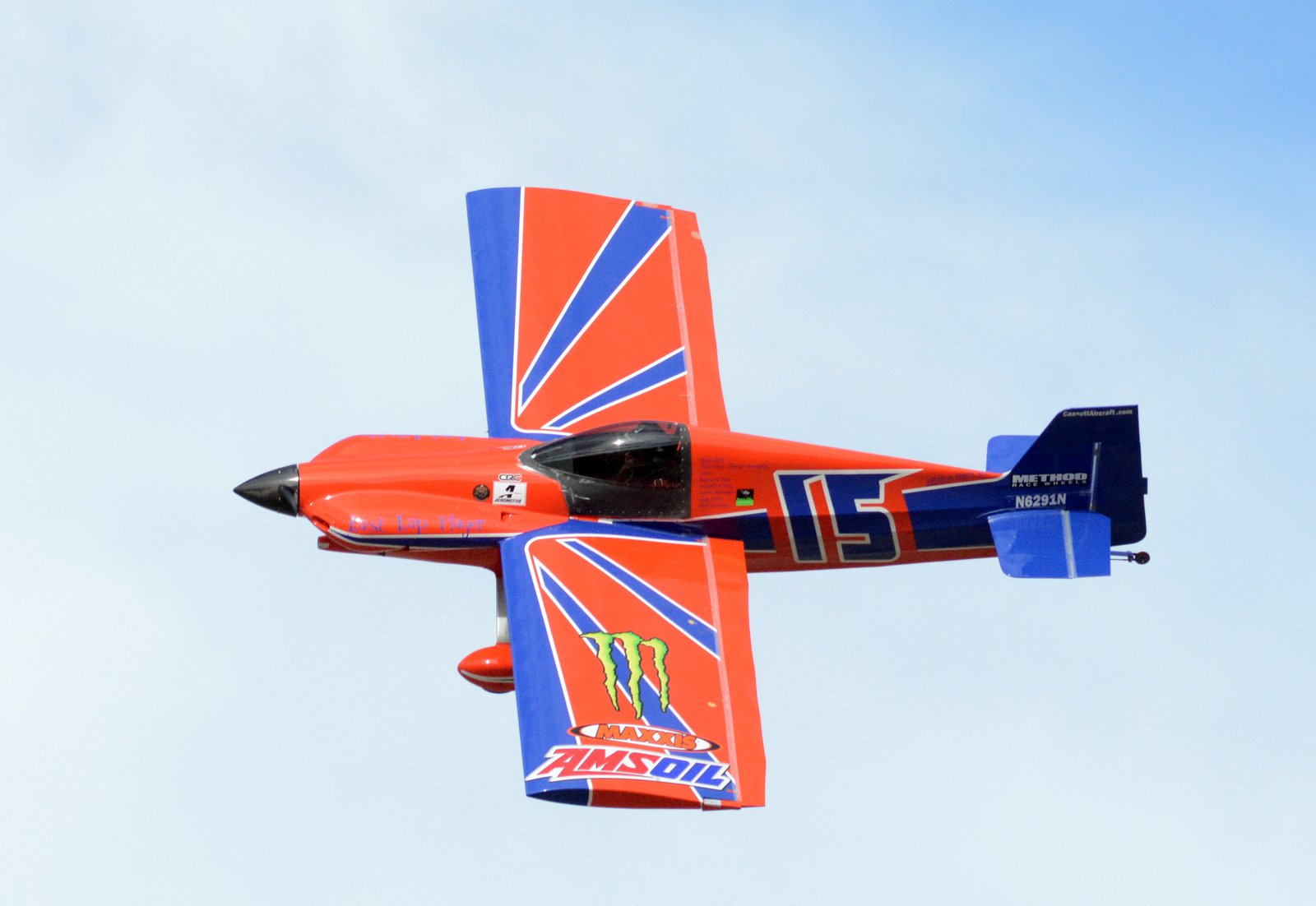
The Cassutt Special transformed Formula One air racing by providing an affordable, high-performance aircraft that amateur builders could construct in their garages. Tom Cassutt's first prototype won the 1958 National Air Racing Championships, establishing the design's racing credentials and sparking widespread interest among homebuilders. The aircraft dominated American pylon racing for decades, with its simple construction and reliable performance making it the backbone of Formula One competition.
Racing on closed rectangular courses at altitudes as low as 50 feet, Cassutt Specials became synonymous with grassroots air racing. The design's success stemmed from its ability to provide evenly matched competition within Formula One class restrictions, which limited wing size, weight, and engine displacement to 850 cubic centimeters initially.
The Designer and Manufacturer
Tom Cassutt developed his racing aircraft while working as a pilot for Trans World Airlines, drawing inspiration from Steve Wittman's "Buster" racer. Operating as an individual designer rather than a traditional manufacturer, Cassutt completed his first prototype in 1954 and the smaller Cassutt Special #2 in 1959. He then made construction plans available to amateur builders, creating a unique production model that relied entirely on homebuilders rather than factory manufacturing.
Cassutt Aircraft, later led by Creighton King, acquired the plans rights and continues to support builders today. The company provides pre-welded parts, fiberglass components, construction jigs, and technical assistance to simplify the building process for modern constructors.
Engine and Technical Details
Early Cassutt Specials utilized the Continental C-85, a four-cylinder air-cooled piston engine that entered production in 1940. This reliable powerplant, weighing approximately 200-220 pounds dry, produced 80-90 horsepower at 2,575 RPM and proved ideal for the lightweight racer. Continental manufactured approximately 17,000 C-85 engines over its 25-year production run, which ended in the late 1960s.
Modern Cassutt builders often substitute the 100-horsepower Continental O-200 engine, typically sourced from retired Cessna 150 aircraft. These installations require custom oil sumps, cooling plenums, and air boxes to accommodate the racer's unique requirements.
The aircraft's structure combined steel tubing for the fuselage, engine mount, tail surfaces, and aileron frames with all-wood wing construction featuring spruce spars and ribs covered with thin plywood skin. Fabric covering completed the airframe, creating a design stressed to withstand 12 G-forces during aerobatic maneuvers.
Performance and Pilot Experience
With its compact dimensions and powerful engine, the Cassutt Special delivered exceptional performance for its era. The 230-mile-per-hour top speed, achieved with the 85-horsepower Continental, made it competitive in Formula One racing throughout the 1960s and 1970s. Full-span tapered ailerons provided crisp roll rates essential for pylon racing, while the cantilever mid-wing configuration offered excellent handling characteristics.
Pilots appreciated the aircraft's predictable behavior and robust construction, qualities that proved crucial during low-altitude racing where margins for error remained minimal. The single-seat cockpit accommodated pilots in a semi-reclined position, optimized for the high G-forces encountered during tight pylon turns.
Construction Innovation
Cassutt's design philosophy emphasized simplicity and cost-effectiveness. The plans featured identical spruce truss ribs and flat spruce spar laminations that amateur builders could fabricate with basic woodworking tools. This approach democratized high-performance aircraft construction, allowing enthusiasts without extensive metalworking capabilities to build competitive racers.
Many builders incorporated personal modifications over the decades, with modern variants featuring tapered wings, carbon fiber components, and updated avionics. The original "Hershey-bar" rectangular wing planform remains popular among traditionalists who value the proven design's reliability.
Production Legacy
With more than 800 aircraft built worldwide, the Cassutt Special achieved unprecedented success in homebuilt aviation. Notable examples include construction number 149, registered as N26EC and completed in 1973, and Roy H. Brandes' aircraft that first flew in 1993. Brandes' Cassutt, later refurbished by Jim and Kathy Haun, was displayed at Tucson International Airport from 1997 to 2002 before joining the Pima Air & Space Museum's collection in June 2002.
Dozens of Cassutt Specials remain airworthy today, continuing to compete in air races and demonstrate at airshows. Many unfinished projects exist in workshops worldwide, testament to the design's enduring appeal among amateur builders. The aircraft's influence extends beyond racing, inspiring generations of homebuilders to tackle high-performance aircraft construction and preserving the spirit of grassroots aviation competition.