
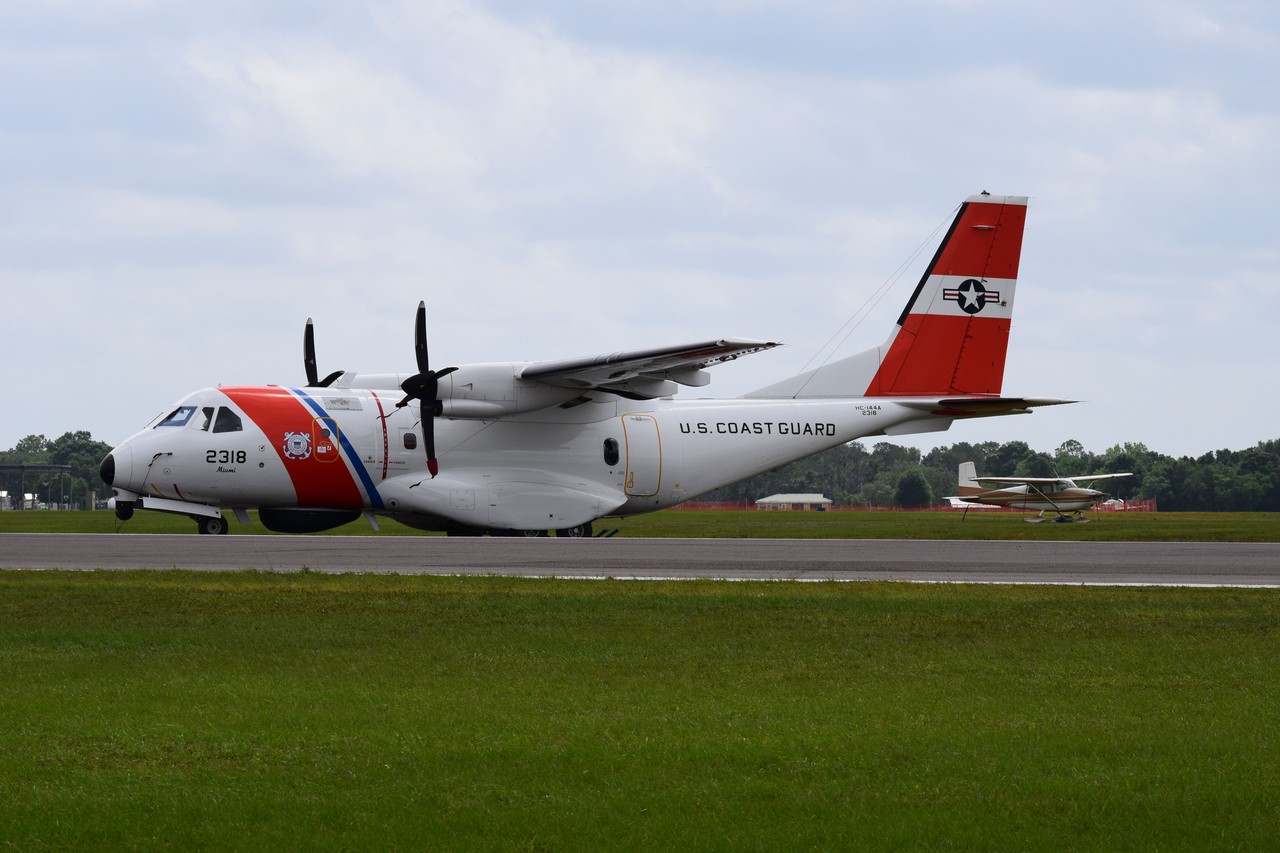
Development and International Partnership
The CN-235 emerged from an ambitious joint venture between Construcciones Aeronáuticas SA (CASA) of Spain and Industri Pesawat Terbang Nusantara (IPTN) of Indonesia in the early 1980s. This collaboration represented one of the first successful international aircraft development programs between European and Southeast Asian manufacturers. The partnership aimed to create a modern, cost-effective transport aircraft that could serve both military and commercial markets while establishing aerospace manufacturing capabilities in both nations.
Development began in 1980, with the first Spanish-built prototype making its maiden flight on November 11, 1983, followed by the Indonesian prototype on December 30, 1983. The program divided manufacturing responsibilities between the two countries, with final assembly lines established in both Seville, Spain, and Bandung, Indonesia.
Technical Excellence and Design Features
The CN-235 incorporates a high-wing design optimized for short takeoff and landing performance, essential for operations from unpaved airstrips. Its twin General Electric CT7-9C turboprop engines each produce 1,750 shaft horsepower, driving four-blade Hamilton Standard propellers. The aircraft's robust landing gear and reinforced structure enable operations from rough terrain airfields as short as 1,400 feet.
The spacious cargo compartment measures 40 feet in length with a maximum width of 8.5 feet and height of 7 feet, accessible through a large rear loading ramp. This configuration allows the aircraft to accommodate standard military pallets, vehicles, or up to 44 passengers in airline configuration. Maximum payload capacity reaches 13,230 pounds, while fuel capacity of 4,850 pounds provides a range exceeding 2,400 nautical miles with reduced payload.
Military Service and Global Operations
Military variants of the CN-235 have achieved widespread international acceptance, serving with air forces across five continents. The aircraft excels in tactical transport, maritime patrol, electronic warfare, and special operations support roles. Notable operators include the Spanish Air Force, Indonesian Air Force, Turkish Air Force, and multiple NATO allies.
The CN-235M military transport version can carry 46 fully equipped troops or 24 paratroopers, while the CN-235MP maritime patrol variant features advanced radar systems and can remain airborne for up to 11 hours. Special mission variants include the CN-235 CASA Persuader for intelligence gathering and the CN-235 Vigma for airborne early warning duties.
Manufacturing Success and Production
Production of the CN-235 continued for over three decades, with final deliveries completed in 2016 after 354 aircraft were manufactured. The dual production line strategy proved highly successful, with Spanish facilities primarily serving European and American markets while Indonesian production focused on Asian and Pacific customers.
CASA, later integrated into Airbus Military, maintained technological leadership throughout the program, while IPTN (later renamed Indonesian Aerospace) gained valuable manufacturing expertise. This technology transfer enabled Indonesia to develop its domestic aerospace industry and pursue independent aircraft development programs.
Operational Performance and Pilot Experience
Pilots consistently praise the CN-235 for its docile handling characteristics and exceptional short-field performance. The aircraft requires a two-person flight crew and features modern avionics including weather radar and GPS navigation systems in later variants. Typical cruise speed reaches 280 knots at 25,000 feet, while service ceiling extends to 30,000 feet.
The CN-235's reliable General Electric engines and robust systems have earned excellent dispatch reliability ratings exceeding 98 percent. Maintenance requirements remain modest compared to similar aircraft, contributing to its popularity among operators in demanding environments.
Contemporary Status and Legacy
While production ended in 2016, the CN-235 continues serving operators worldwide with strong manufacturer support. Airbus maintains comprehensive parts supply and technical support through its global network, ensuring continued operational viability for existing fleets.
The program's success demonstrated the viability of international aerospace partnerships and established both Spain and Indonesia as credible aircraft manufacturers. Its influence extends beyond the aviation industry, serving as a model for technology transfer and industrial cooperation between developed and developing nations. Today, CN-235 aircraft remain active in military and civilian roles, testament to the enduring value of this international aerospace achievement.