
Design Origins and Development
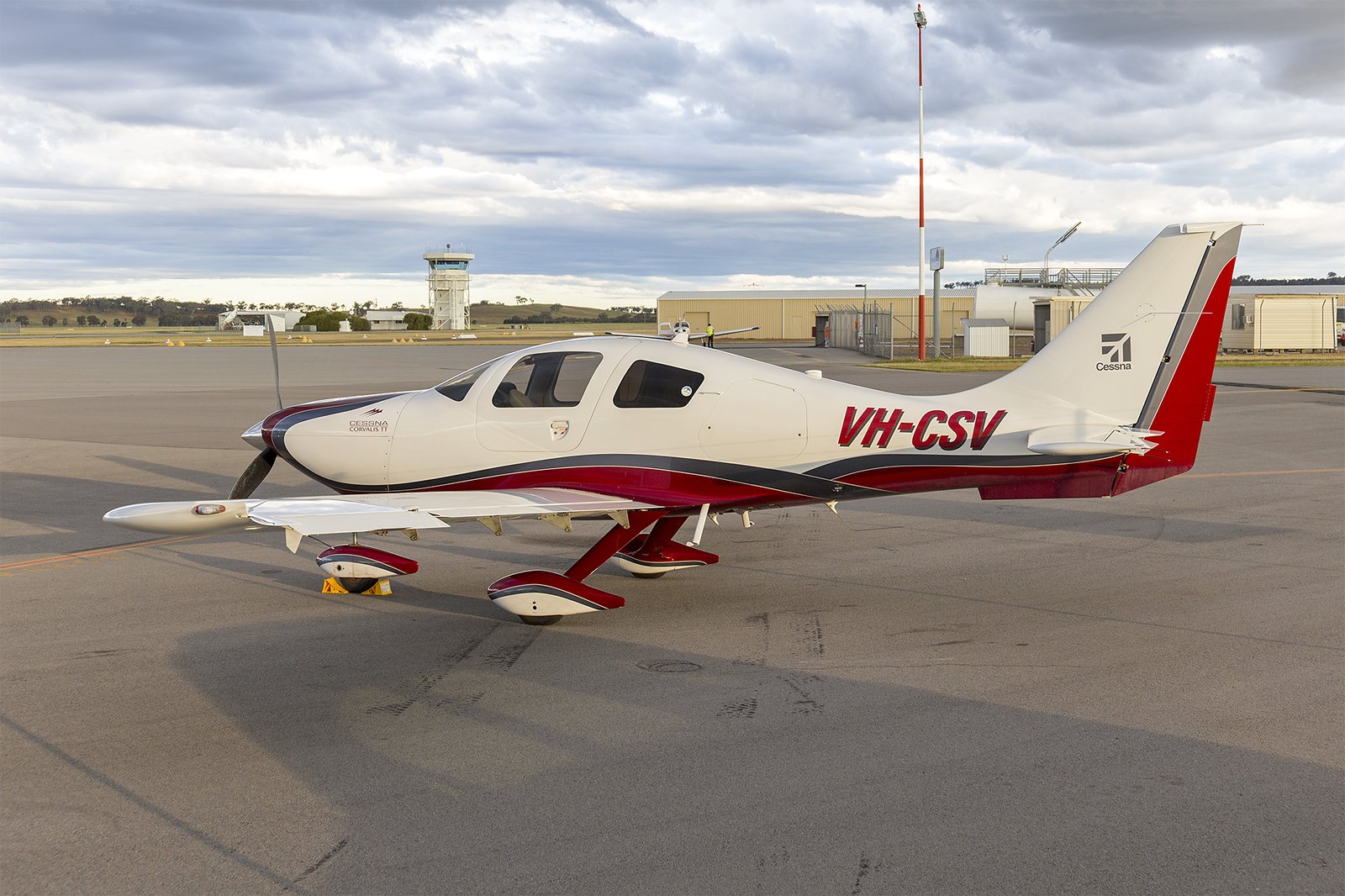
The Cessna 400 evolved from the successful Lancair ES kit aircraft lineage, representing a bold transition from experimental aviation into certified production. Columbia Aircraft, established in 1995 from the certified Lancair line, spent nearly a decade developing this composite marvel before achieving FAA certification under the designation Model LC41-550FG on April 8, 2004. The aircraft targeted pilots seeking airline-level performance in a single-engine platform, combining the speed of complex aircraft with the operational simplicity of fixed landing gear.
Manufacturing Timeline and Corporate Changes
Columbia Aircraft initially produced the 400 at their Bend, Oregon facility, delivering the first units in 2004. However, the aircraft's corporate journey proved as complex as its composite construction. Cessna Aircraft acquired Columbia Aircraft in December 2007, recognizing the potential of high-performance composite aviation. Under Cessna ownership, the aircraft was redesignated as the Cessna 400 Corvalis TT on January 14, 2009.
Production numbers reflected both market enthusiasm and economic challenges. Cessna delivered 110 units in 2008, but the late-2000s recession devastated sales, with only 41 aircraft delivered in 2009 and just seven in 2010. Manufacturing operations relocated from Bend, Oregon to Independence, Kansas in April 2009, with composite components produced in Chihuahua, Mexico. Production restarted at a reduced rate of one aircraft every six months beginning in October 2009.
Technical Excellence and Performance
Powered by a Continental TSIO-550-C turbocharged engine producing 310 horsepower at 2,600 rpm, the Corvalis TT achieved performance figures that challenged twin-engine aircraft. The engine, manufactured by Teledyne Continental Motors, drove a three-blade Hartzell constant-speed propeller to deliver a maximum speed of 235 knots at 25,000 feet. This performance made it the fastest fixed-gear single-engine piston aircraft ever certified by the FAA.
The aircraft's composite construction utilized carbon fiber and Kevlar materials, resulting in an empty weight of 2,500 pounds and a maximum takeoff weight of 3,600 pounds. With a certified service ceiling of 25,000 feet and a climb rate of 1,450 feet per minute, the 400 could operate in airspace typically reserved for turbine aircraft. Range capabilities extended to 1,107 nautical miles, making it suitable for cross-country missions that previously required larger, more complex aircraft.
Avionics Innovation
The Corvalis TT pioneered the integration of Garmin G1000 glass cockpit technology in high-performance singles. This advanced avionics suite replaced traditional analog instruments with large LCD displays showing primary flight, navigation, and engine information. The system included integrated weather radar, traffic collision avoidance, and terrain awareness capabilities that enhanced safety margins significantly over conventional instrumentation.
Pilot Experience and Handling
Pilots praised the 400's combination of speed and docile handling characteristics. The aircraft was certified in the Utility Category with a 4.4G load limit, compared to the 3.8G limit of Normal Category aircraft. Despite its high performance, the fixed landing gear simplified operations and reduced insurance costs compared to retractable-gear competitors. The Continental engine could operate lean-of-peak for efficiency, achieving 199 knots true airspeed at 11,000 feet while consuming 24.7 gallons per hour.
Takeoff distance requirements of 1,900 feet and landing distance of 1,260 feet allowed operations from most general aviation airports, despite the aircraft's impressive performance envelope. The 25,200-hour certified airframe life provided longevity exceeding most general aviation aircraft.
Production Evolution and Variants
Cessna unveiled the TTx variant on March 29, 2011, at the Sun 'n Fun aviation expo, representing continued development of the platform. However, production challenges persisted, including quality issues with composite manufacturing that affected the aircraft's reputation. Some units experienced wing delamination problems traced to manufacturing processes at the Mexican composite facility.
Market Impact and Legacy
Total production across all variants (Columbia 400, Cessna 400, and TTx) reached 704 aircraft before manufacturing ended in February 2018. The aircraft represented Cessna's first venture into low-wing composite construction, departing from the company's traditional high-wing aluminum designs that had dominated general aviation for decades.
While production numbers remained modest compared to traditional Cessna models, the 400 advanced composite manufacturing techniques and glass cockpit integration throughout the industry. The aircraft served primarily private owners and flight training organizations, rather than commercial operators, filling a niche for high-performance personal transportation.
Current Status
With production concluded, the Cessna 400 Corvalis TT remains in service with private operators worldwide. The aircraft's performance capabilities continue to attract pilots seeking maximum speed from single-engine platforms, though support and parts availability reflect its limited production run. The 400's legacy lives on in Cessna's continuing composite aircraft development and the industry-wide adoption of glass cockpit technology it helped pioneer in certified aircraft.