
Design Philosophy and Development
Randy Schlitter's dissatisfaction with existing ultralight designs in the early 1980s sparked a revolution in kit aircraft construction. After designing the single-seat S-4 Coyote prototype in November 1982, Schlitter developed the two-seat S-6 Coyote II as an evolution of his S-5 design. The production prototype's maiden flight in November 1988 marked the beginning of what would become one of the most successful kit aircraft programs in aviation history.
Manufacturing Excellence
RANS Inc., founded by Randy Schlitter in 1974, began as a sailplane manufacturer before transitioning to powered aircraft production in 1983. The company's commitment to American manufacturing has resulted in over 4,500 ultralight and light-sport aircraft deliveries worldwide. Production of the S-6ES model commenced in April 1990, followed by the more powerful S-6S Super Coyote in 1993, with manufacturing continuing through at least 2015.
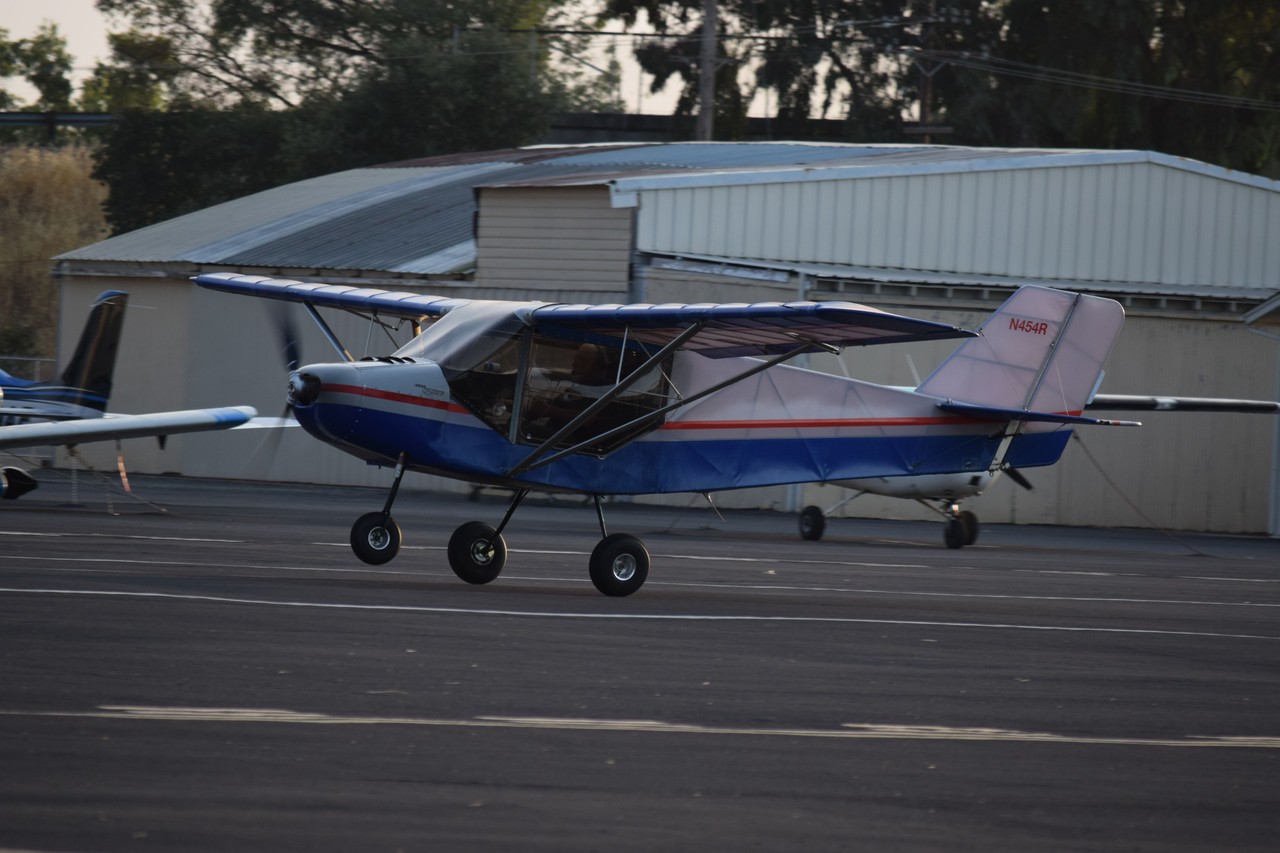
The Coyote II's innovative hybrid construction combines a welded chrome-molybdenum steel passenger cage with an aluminum tail structure, covered in fabric. This design approach provides exceptional strength while maintaining relatively light weight, with an empty weight of just 675 pounds. The aircraft's modular kit design enables amateur builders to complete construction in 250-350 hours, significantly shorter than many comparable designs.
Engine and Performance
The heart of most Coyote II aircraft is the Austrian-built Rotax 912 series engine. The S-6ES typically employs the 75-horsepower Rotax 912UL, while the S-6S uses the 80-horsepower version of this reliable four-stroke, liquid-and-air-cooled powerplant. Some builders have opted for 100-horsepower Chevrolet Corvair automotive conversions for enhanced performance.
With standard fuel capacity of 15 imperial gallons in two wing tanks, the Coyote II achieves a range of 500 miles. Optional auxiliary tanks can extend total fuel capacity to 54 gallons, enabling remarkable 18-hour endurance flights. Maximum speed reaches 120 miles per hour, while the service ceiling extends to 15,500 feet with a climb rate of 900 feet per minute.
Global Impact and Notable Flights
The Coyote II's exceptional range and reliability have enabled numerous transcontinental adventures. Multiple pilots have successfully crossed the Atlantic Ocean, including a notable 1990s flight by a French pilot who flew from France to the Oshkosh air show via the Azores. Other ambitious flights have reached Japan and Great Britain, demonstrating the aircraft's capability for serious cross-country travel despite its ultralight origins.
With deliveries exceeding 2,100 kits to more than 50 countries, the Coyote II has established a truly global presence. The aircraft operates under various regulatory frameworks worldwide, including ultralight, experimental amateur-built, and Light Sport Aircraft categories. In 2008, RANS achieved LSA certification for the S-6LS variant, expanding the aircraft's market appeal.
Pilot Experience
Pilots consistently praise the Coyote II's forgiving handling characteristics and exceptional short-field performance. The tricycle landing gear configuration provides ground stability for novice taildragger pilots, while a conventional gear option remains available for traditionalists. The side-by-side seating arrangement with dual controls makes the aircraft ideal for flight training and recreational flying with passengers.
The aircraft's remarkable short-field capabilities include a takeoff run of just 160 feet and landing distance of 200 feet, enabling operations from grass strips and small airports inaccessible to larger aircraft. This performance, combined with economical operation costs, has made the Coyote II popular among recreational pilots seeking affordable flying.
Contemporary Legacy
Dozens of Coyote II aircraft remain active worldwide, representing one of the most successful kit aircraft programs in aviation history. Notable registered examples include G-BUWK, built in 1993 by R. Warriner and registered on April 7, 1993, and G-CCNB, registered in September 2003. New Zealand hosts several examples with registrations ZK-RNS, ZK-VSI, ZK-PWP, and ZK-SGS.
The Coyote II's cultural significance extends beyond mere numbers, symbolizing the evolution from 1980s ultralights to modern Light Sport Aircraft. Its proven design has influenced subsequent kit aircraft development, while its legendary transatlantic achievements continue inspiring adventurous pilots. The aircraft's presence in flight simulation software and aviation media ensures its legacy reaches new generations of aviation enthusiasts, cementing its position as a pioneering achievement in amateur-built aircraft design.