
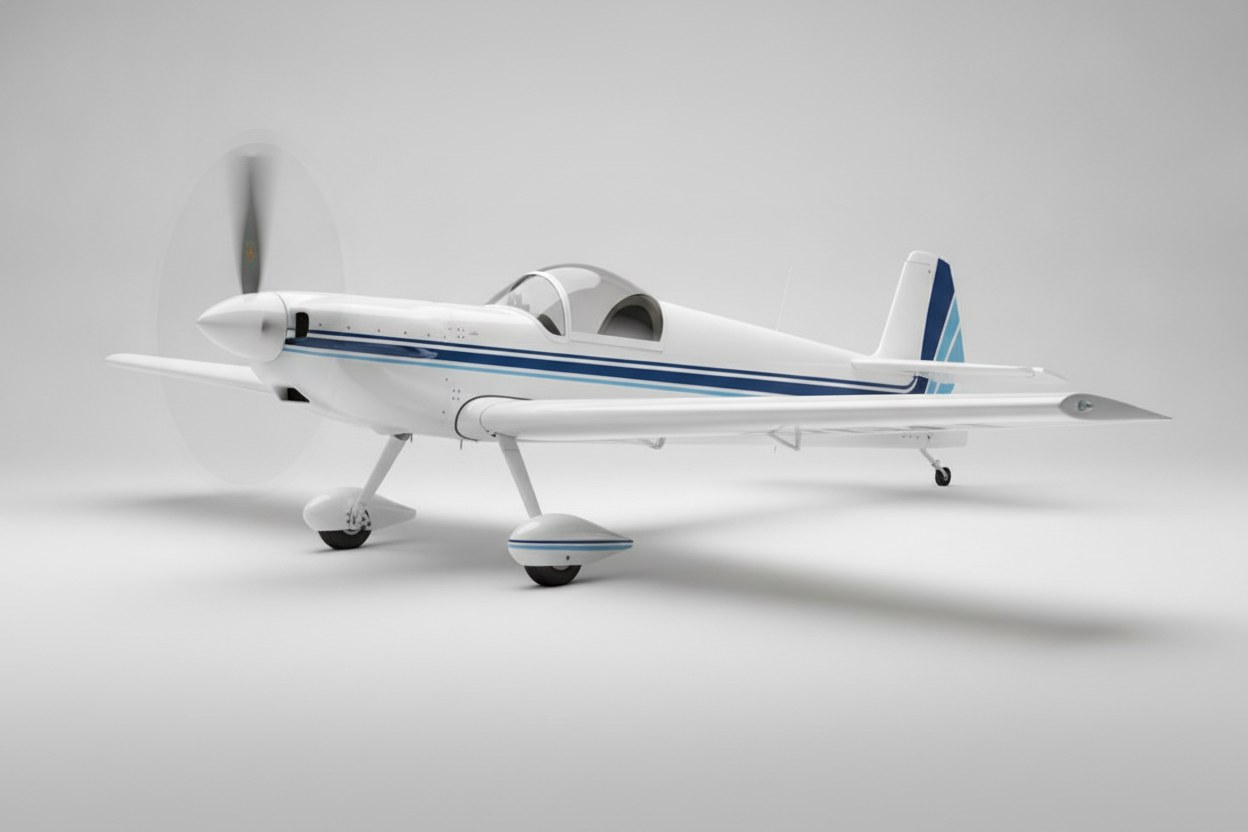
Competition Aerobatic Heritage
The CAP-21 emerged during the golden age of aerobatic competition in the mid-1970s, when specialized aircraft began replacing modified general aviation designs in unlimited aerobatic contests. Unlike earlier aerobatic aircraft that were adaptations of existing designs, the CAP-21 was purpose-built from the ground up for the extreme stresses of competition aerobatics, capable of withstanding load factors exceeding 10 Gs in both positive and negative directions.
Military Adoption
The French Air Force recognized the CAP-21's potential and adopted the aircraft for advanced aerobatic training and competition use. The military service validated the design's structural integrity and handling characteristics under demanding operational conditions. This military endorsement proved crucial for the aircraft's credibility in the international aerobatic community, where pilot confidence in structural reliability is paramount during extreme maneuvers.
Avions Mudry Legacy
Avions Mudry built its reputation on producing specialized aerobatic aircraft, with the CAP-21 representing the company's first major commercial success in the competition market. The manufacturer focused exclusively on high-performance aerobatic designs, understanding that this niche market demanded uncompromising engineering rather than cost-cutting measures typical of general aviation production. The company's dedication to structural excellence and precise flight characteristics established Mudry as a premier name in aerobatic aviation.
Engine and Technical Innovation
The CAP-21 utilized a four-cylinder Lycoming AEIO-360 engine, specifically the aerobatic variant designed for inverted flight operations. This powerplant featured a dry sump oil system and reinforced internal components to handle the unique stresses of aerobatic flight, including sustained inverted operations and rapid attitude changes. The engine's 180-horsepower output provided excellent power-to-weight ratio for the 620-kilogram aircraft, enabling vertical climbs and sustained knife-edge flight.
The airframe incorporated several innovations for aerobatic performance, including symmetrical wing sections that provided equal lift characteristics in both upright and inverted flight. The control surfaces featured extended travel ranges and increased authority compared to conventional aircraft, allowing pilots to execute precise maneuvers at varying airspeeds. The landing gear design emphasized durability to withstand the higher sink rates common in aerobatic aircraft landings.
Pilot Experience and Performance
Pilots praised the CAP-21 for its predictable handling characteristics and structural integrity during extreme maneuvers. The aircraft demonstrated excellent roll rates exceeding 180 degrees per second and maintained control authority throughout its certified flight envelope. The single-seat configuration eliminated weight and balance complications while providing optimal pilot positioning for aerobatic sequences.
The CAP-21's performance specifications included a never-exceed speed suitable for high-energy maneuvers and a service ceiling adequate for competition sequences. The aircraft's relatively short wingspan of 8.08 meters contributed to exceptional roll performance while maintaining adequate lift generation for sustained vertical maneuvers.
Evolution to the CAP-230 Series
The CAP-21's success directly led to the development of the CAP-230 in 1985, which strengthened the basic airframe to accommodate the more powerful 300-horsepower Lycoming AEIO-540 engine. This evolution proved prescient, as the CAP-230 and subsequent CAP-231 became dominant forces in world aerobatic competition. The French Air Force aerobatics team, Equipe de Voltige de l'Armée de l'Air, adopted the CAP-230 and flew it from 1986 to 1990, showcasing the design's capabilities at international air shows.
Championship Legacy
The CAP-21 design philosophy directly contributed to world championship victories through its successors. The CAP-231, developed from the CAP-21 airframe, captured World Aerobatic Championships in 1990, 1998, 2000, and 2007. These victories validated the original CAP-21 design concepts and established the aircraft family as the benchmark for unlimited aerobatic competition.
Production and Current Status
Mudry's total aircraft production reached 458 units across all models, though specific CAP-21 production numbers remain undocumented in available records. The aircraft remained in production throughout its manufacturing run, indicating sustained market demand for its capabilities. Many CAP-21 aircraft continue flying today in private hands and aerobatic training schools, testament to the design's durability and enduring appeal.
The CAP-21's influence extended beyond full-scale aviation into radio-controlled aircraft modeling, where manufacturers like Great Planes produced scale versions for RC aerobatic competition. This crossover appeal demonstrated the aircraft's iconic status and recognition of its exceptional aerobatic characteristics across multiple aviation segments.