
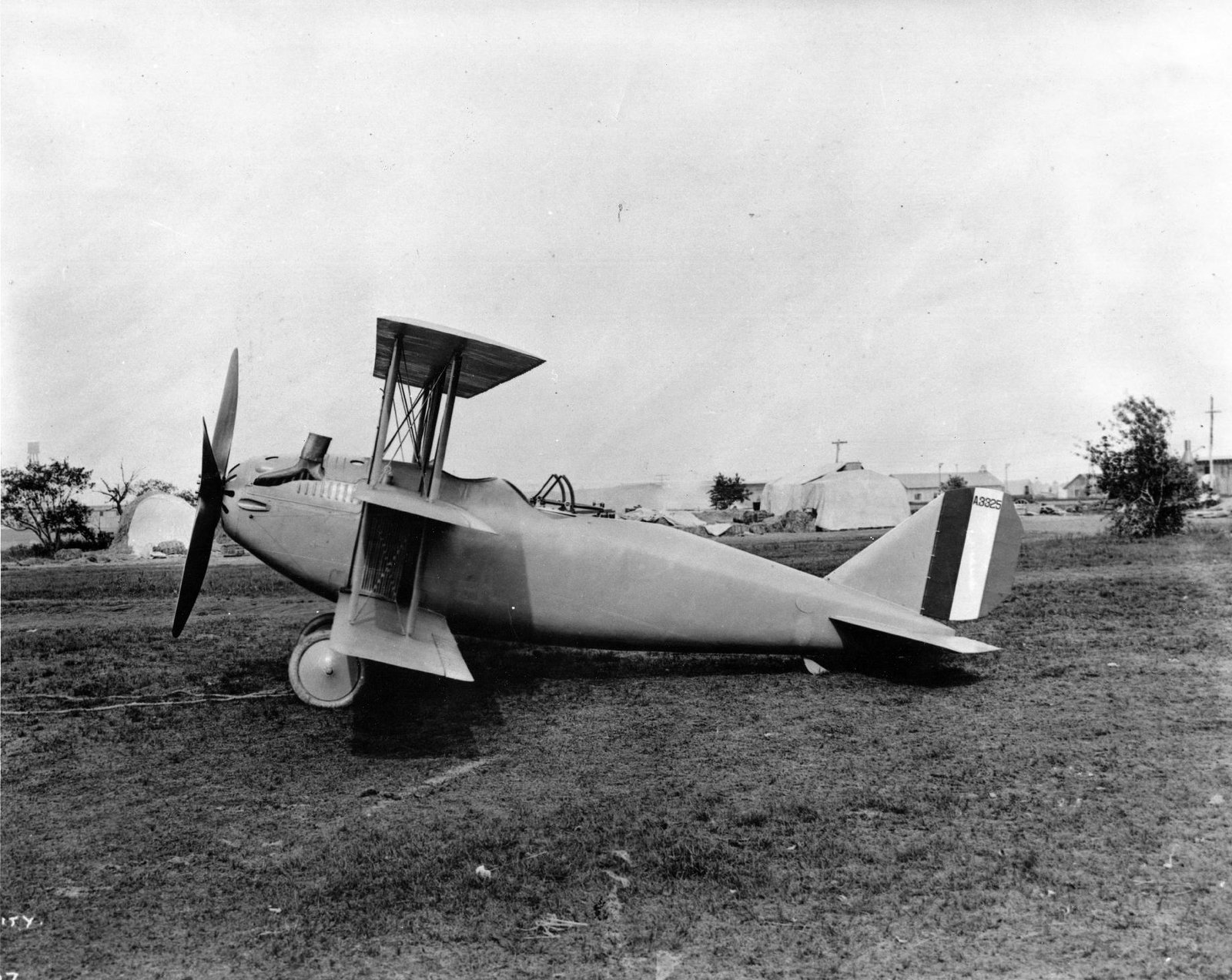
The identification of the Curtiss-Wright Curtiss 18 presents a significant historical challenge, as no aircraft officially designated as such appears in standard Curtiss or Curtiss-Wright production records. While the ICAO type code CRTS is associated with Curtiss-Wright, it does not map to a specific, unique model in verified aviation databases. Some confusion may arise from the Curtiss Model 18, an experimental triplane and seaplane family from 1918 (also known as the K-12 or 'Wasp'), or the A-18 Shrike; however, neither of these aligns perfectly with the specific 'Curtiss 18' landplane designation and ICAO code provided.
Despite the ambiguity of this specific model, the manufacturer's corporate history is well-established. The Curtiss-Wright Corporation was formed on July 5, 1929, through the merger of the Wright Aeronautical Corporation of Dayton, Ohio, and the Curtiss Aeroplane and Motor Company of Buffalo, New York, along with several other supplier firms. The company grew from the early aviation efforts of Glenn Curtiss in the 1900s and 1910s, eventually becoming a cornerstone of U.S. military aviation. During World War II, the company's industrial capacity was immense, producing 29,269 airplanes and approximately 142,840 aircraft engines, as well as 146,468 electric propellers.
Throughout the interwar and wartime periods, Curtiss-Wright utilized piston radial engines developed by its Wright Aeronautical division, such as the R-1820 and R-2600 series. While the specific technical specifications, designers, and production numbers for a 'Curtiss 18' landplane remain unknown, the company's broader legacy includes iconic aircraft like the P-40 fighter and the C-46 transport. Following the decline of its aircraft division after World War II, the company ceased airframe production. Today, the Curtiss-Wright Corporation continues to operate as an engineering conglomerate headquartered in Davidson, North Carolina, focusing on industrial, defense, and aerospace systems rather than complete aircraft manufacturing.