
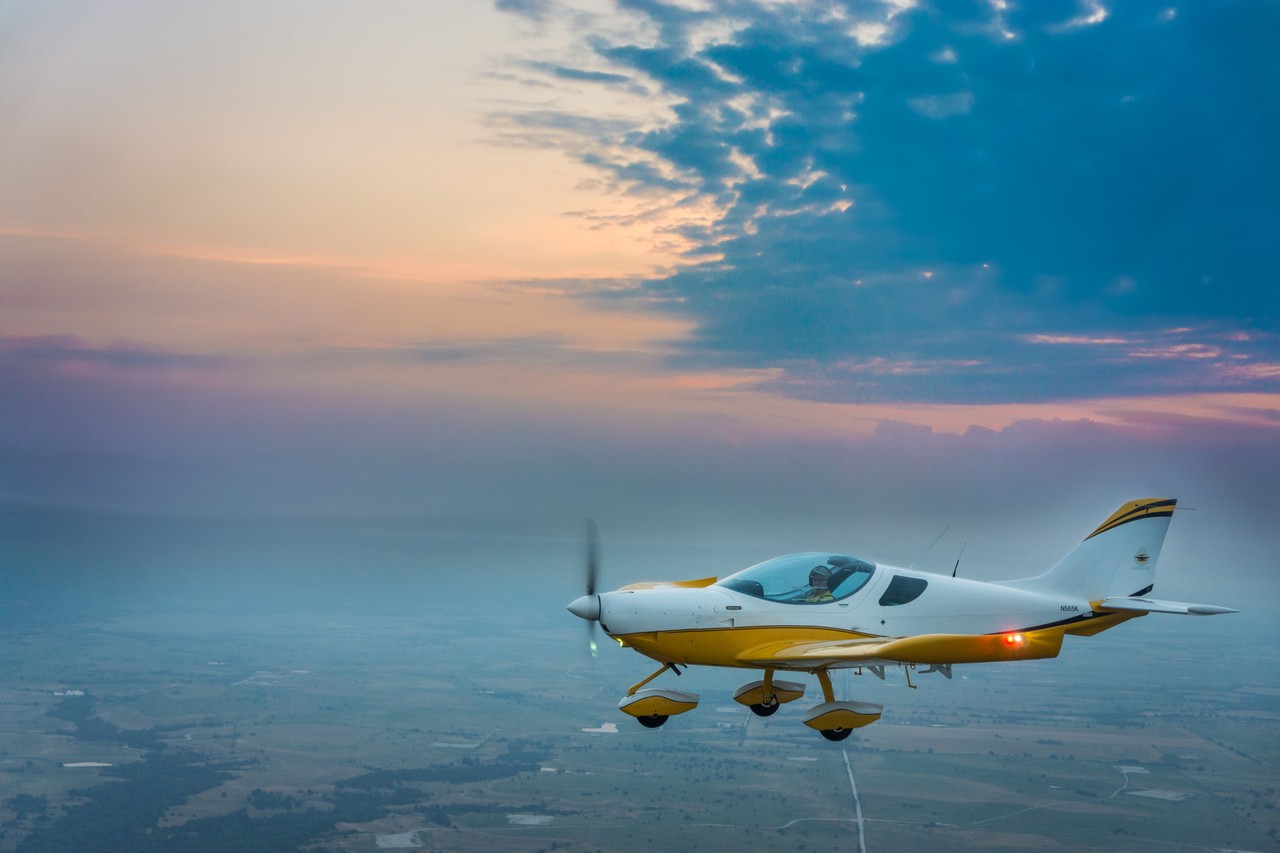
Market Impact and Certification Success
The SportCruiser distinguished itself in the light-sport aircraft market through unprecedented regulatory versatility. The design achieved certification as an FAA Light-Sport Aircraft, FAA homebuilt kit, and under UK BCAR Section "S" regulations, making it accessible to pilots across multiple licensing frameworks. This multi-certification approach proved commercially successful, with Czech Sport Aircraft building approximately 400 aircraft across two distinct production periods from 2006 to 2010 and 2011 to present.
The Piper Connection
In January 2010, established manufacturer Piper Aircraft recognized the SportCruiser's potential and entered a licensing agreement to produce the aircraft as the PiperSport. Piper modified the design with enhanced features including stronger nose gear, standard Ballistic Recovery Systems parachute, leather interior, and custom paint schemes. However, this partnership lasted exactly one year—Piper terminated the agreement in January 2011 due to disagreements over geographical marketing strategy, specifically objecting to Czech Sport Aircraft's insistence that Piper focus primarily on the U.S. market rather than global distribution.
Czech Sport Aircraft Legacy
Czech Sport Aircraft, originally operating as Czech Aircraft Works (CZAW), weathered significant challenges during the SportCruiser's development. The company underwent restructuring in 2008-2009 following financial difficulties but emerged stronger, ultimately outlasting its temporary partnership with Piper. Following Piper's withdrawal, Czech Sport Aircraft resumed full SportCruiser production and continues manufacturing today, demonstrating the resilience that has characterized Czech aviation manufacturing since the communist era.
Powerplant Options and Performance
The SportCruiser's success stems partly from its flexible powerplant options. The more common Rotax 912ULS delivers 100 horsepower with exceptional reliability, featuring a 2,000-hour time between overhaul and consuming just 4.5 gallons per hour at 75 percent power. The alternative Jabiru 3300 provides 120 horsepower for operators requiring additional performance. Both engines operate on 100/100LL aviation fuel, ensuring widespread availability.
This efficient powerplant combination enables impressive performance figures: cruise speeds of 115 knots at 8,000 feet, maximum speeds reaching 140 mph, and remarkably short takeoff rolls of just 360 feet. The aircraft's 575-nautical-mile range at 75 percent power extends to 650 nautical miles at reduced power settings, making it suitable for cross-country flight training and personal transportation.
Design Philosophy and Construction
The SportCruiser employs traditional all-aluminum construction in a low-wing configuration, prioritizing durability over exotic materials. At 765 pounds empty weight and 1,320 pounds gross weight, the aircraft maximizes its 555-pound useful load through careful engineering. The 141.6-square-foot wing area provides gentle stall characteristics at just 34 mph while supporting a 20,000-foot service ceiling.
Optional equipment includes advanced safety systems like the Ballistic Recovery Systems whole-aircraft parachute and autopilot capabilities, features typically found on more expensive aircraft. These options reflected the manufacturer's understanding that modern light-sport aircraft buyers expected sophisticated safety equipment previously available only in certified general aviation aircraft.
Training and Private Operation
Flight schools embraced the SportCruiser for its economic operation and docile handling characteristics. The 1,200-feet-per-minute climb rate and 400-foot landing roll made it forgiving for student pilots while remaining engaging for experienced aviators. The $79,500 base price positioned it competitively in the light-sport market, offering better performance than many ultralight aircraft while remaining more affordable than traditional certified aircraft.
Variant Development
Beyond the standard SportCruiser and short-lived PiperSport, Czech Sport Aircraft developed the PS-28 Cruiser specifically for European markets. This variant complied with EASA CS.LSA certification requirements, including a 600-kilogram gross weight limit that necessitated careful weight optimization while maintaining performance capabilities.
Current Status and Legacy
Today, the SportCruiser continues production as one of the more successful European light-sport aircraft designs. Its combination of performance, economy, and multi-national certification created a template for subsequent light-sport aircraft development. The design's survival through manufacturer restructuring, the failed Piper partnership, and changing market conditions demonstrates the fundamental soundness of the original 2006 concept, proving that well-executed light-sport aircraft could compete effectively in the global general aviation market.