
Historical Context and Original Aircraft
The Fokker D.VII earned its fearsome reputation during the final months of World War I, when it equipped 46 German fighter squadrons and achieved 565 confirmed victories by August 1918. Designed by Reinhold Platz and first flown in January 1918, the original aircraft proved so formidable that Article IV of the Armistice specifically demanded Germany surrender all D.VII fighters to Allied forces. This unprecedented clause in a peace treaty testified to the aircraft's combat effectiveness and the respect it commanded from enemy pilots.
Modern Replica Production
Contemporary D-7 replicas emerge from specialized workshops and restoration facilities dedicated to preserving World War I aviation heritage. These modern interpretations utilize advanced materials and manufacturing techniques unavailable to the original Fokker-Flugzeugwerke, Albatros, and OAW production facilities that built 3,300 original aircraft in 1918. Replica builders employ welded steel tube fuselage construction covered in modern fabric, maintaining the authentic appearance while incorporating contemporary safety improvements and powerplants.
Engine and Performance Characteristics
Original D.VII aircraft utilized either the 160-horsepower Mercedes D.IIIa or the superior 185-horsepower BMW IIIa inline engines. Modern replicas typically employ reliable automotive conversions or purpose-built aircraft engines that approximate the original power output and performance characteristics. The BMW-powered variant, designated D.VII(F), achieved a maximum speed of 185 kilometers per hour and superior climbing ability that German pilots exploited to devastating effect against Allied aircraft.
Construction and Design Features
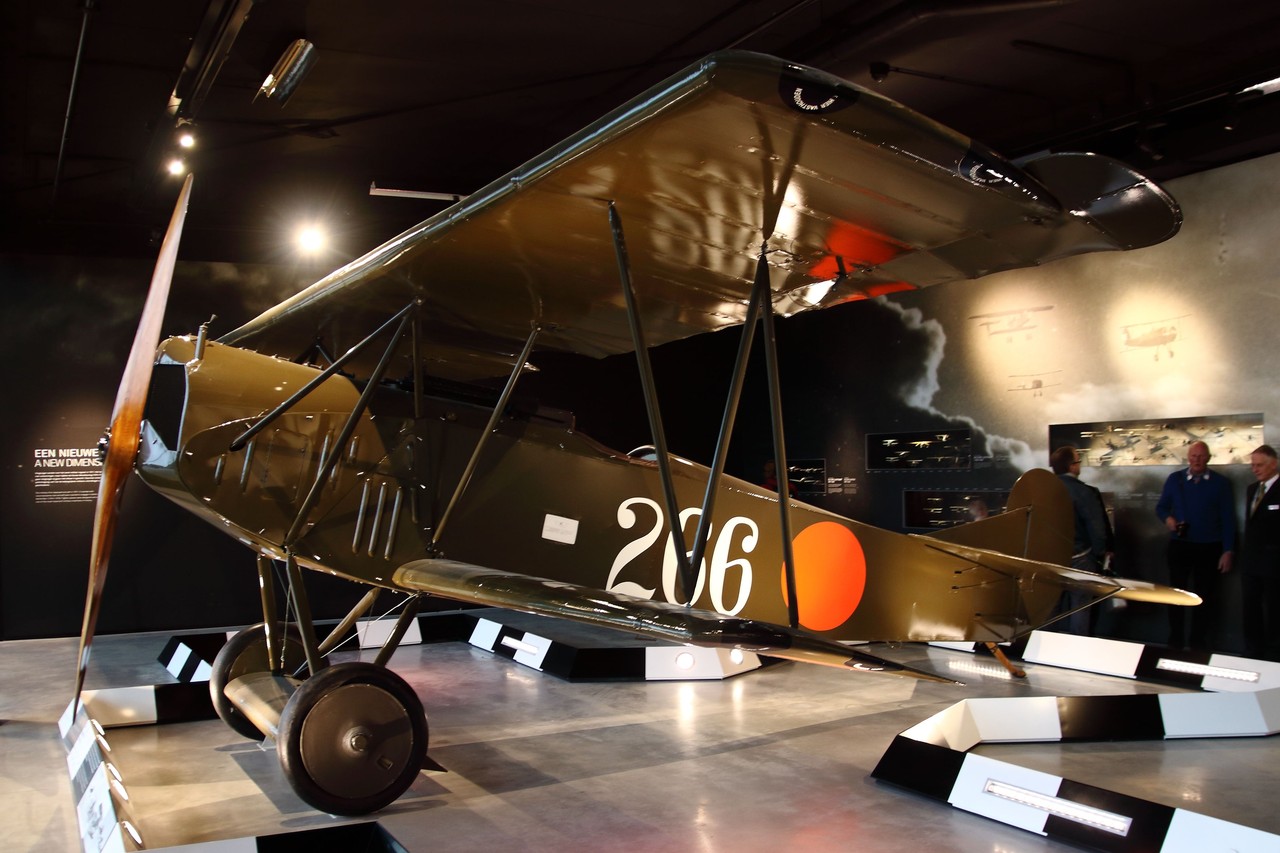
The D.VII's sesquiplane configuration featured a full-sized upper wing and smaller lower wing connected by interplane struts, providing exceptional maneuverability and structural strength. Replica builders meticulously reproduce these design elements, including the distinctive nose radiator arrangement, cabane struts supporting the upper wing, and the characteristic rudder shape that became synonymous with German aviation prowess. Modern construction techniques allow builders to achieve greater precision in wing rigging and alignment than was possible during wartime production.
Pilot Experience and Flight Characteristics
Contemporary pilots flying D-7 replicas experience flight characteristics similar to those praised by World War I aces including Hermann Göring and Erich Löwenhardt. The aircraft demonstrates exceptional climbing performance, stable gun platform characteristics, and forgiving handling qualities that made it superior to Allied fighters like the SPAD XIII and Sopwith Camel. Modern safety equipment and instrumentation enhance the flying experience while preserving the authentic feel of early military aviation.
Manufacturing and Restoration Community
The replica D-7 community encompasses individual builders, restoration shops, and specialized manufacturers worldwide. Unlike the original wartime production that peaked at 775 aircraft in service by November 1918, modern replica construction proceeds at a measured pace, with builders focusing on authenticity and quality rather than quantity. These projects often require years to complete, involving extensive research into original construction techniques and materials.
Legacy and Museum Presence
While original D.VII aircraft reside in prestigious institutions including the Canada Aviation and Space Museum and the National Air and Space Museum, flying replicas provide the public with opportunities to witness this historic fighter in flight. These reproductions serve as educational tools, demonstrating the advanced aerodynamic principles that made the D.VII Germany's most successful World War I fighter and explaining why Anthony Fokker smuggled 120 examples to Holland after the Armistice.
Current Operations and Airworthiness
Modern D-7 replicas operate under experimental or warbird categories in various national aviation authorities, requiring specialized maintenance and pilot qualifications. Unlike the original aircraft that served military roles exclusively, contemporary replicas participate in airshows, historical demonstrations, and educational programs that preserve World War I aviation heritage for future generations. These aircraft bridge the gap between static museum displays and the dynamic flight characteristics that made the Fokker D.VII a legend of early military aviation.