
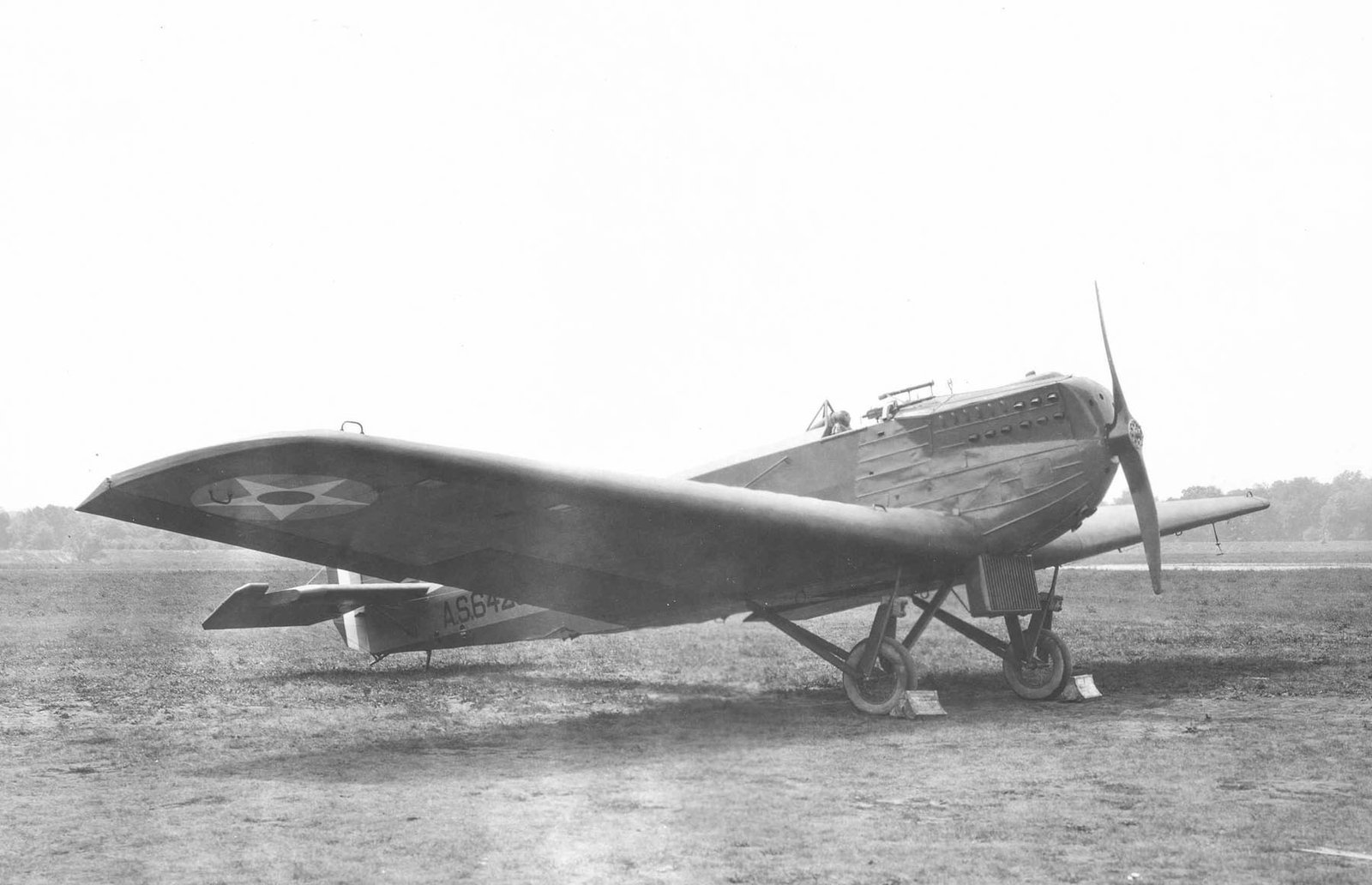
Production and Manufacturer History
The DB-1, designated as the Douglas Bomber 1, was a singular experimental prototype produced by the Douglas Aircraft Company. The aircraft was completed in 1935, and there is no evidence that any further units were manufactured beyond this initial prototype. Production took place at the company's facilities in Santa Monica, California, which served as the hub for Douglas bomber development during the mid-1930s, including the production of early B-18 derivatives.
The Douglas Aircraft Company was established in 1921 by Donald Wills Douglas Sr. Over the following decades, the company underwent significant corporate transitions. In 1967, it merged with the McDonnell Aircraft Corporation to become the McDonnell Douglas Corporation. By 1997, the entity was acquired by The Boeing Company, and its operations were integrated into Boeing's existing corporate structure.
Design and Development
Development of the DB-1 occurred under the general leadership of Donald W. Douglas Sr., with engineering support from teams including Arthur E. Raymond, who served as the chief engineer for the DC-series airliners. While the overall engineering environment is documented, no specific individual has been identified as the chief designer of the DB-1 prototype.
Designed as an experimental bomber, the DB-1 was built to be structurally robust. This durability was essential for its primary purpose: serving as a testbed for the discharge of large-caliber cannons. The ability to withstand the significant recoil loads associated with such weaponry made the DB-1 a forward-looking design in the context of mid-1930s military aviation. Due to the obscure nature of the prototype, specific technical dimensions, wing configurations, and crew capacities remain undocumented in available corporate and historical records.
Service History and Legacy
The DB-1 did not enter series production or operational combat service in any conflict. Its utility was limited to experimental testing, specifically focusing on the evaluation of heavy aircraft armament. While it is inferred that these tests were conducted in coordination with the U.S. Army Air Corps—the primary military aviation arm of the United States at the time—no specific military units or serial numbers have been formally linked to the aircraft.
No examples of the DB-1 are known to have survived. There are no records of the aircraft in major museum collections, such as the Smithsonian National Air and Space Museum or the USAF Museum, suggesting the sole prototype was eventually scrapped. Despite its lack of operational longevity, the DB-1 remains a notable link in the developmental lineage of Douglas military aircraft, contributing to the exploration of heavy weaponry that would influence later bomber and attack aircraft designs.