
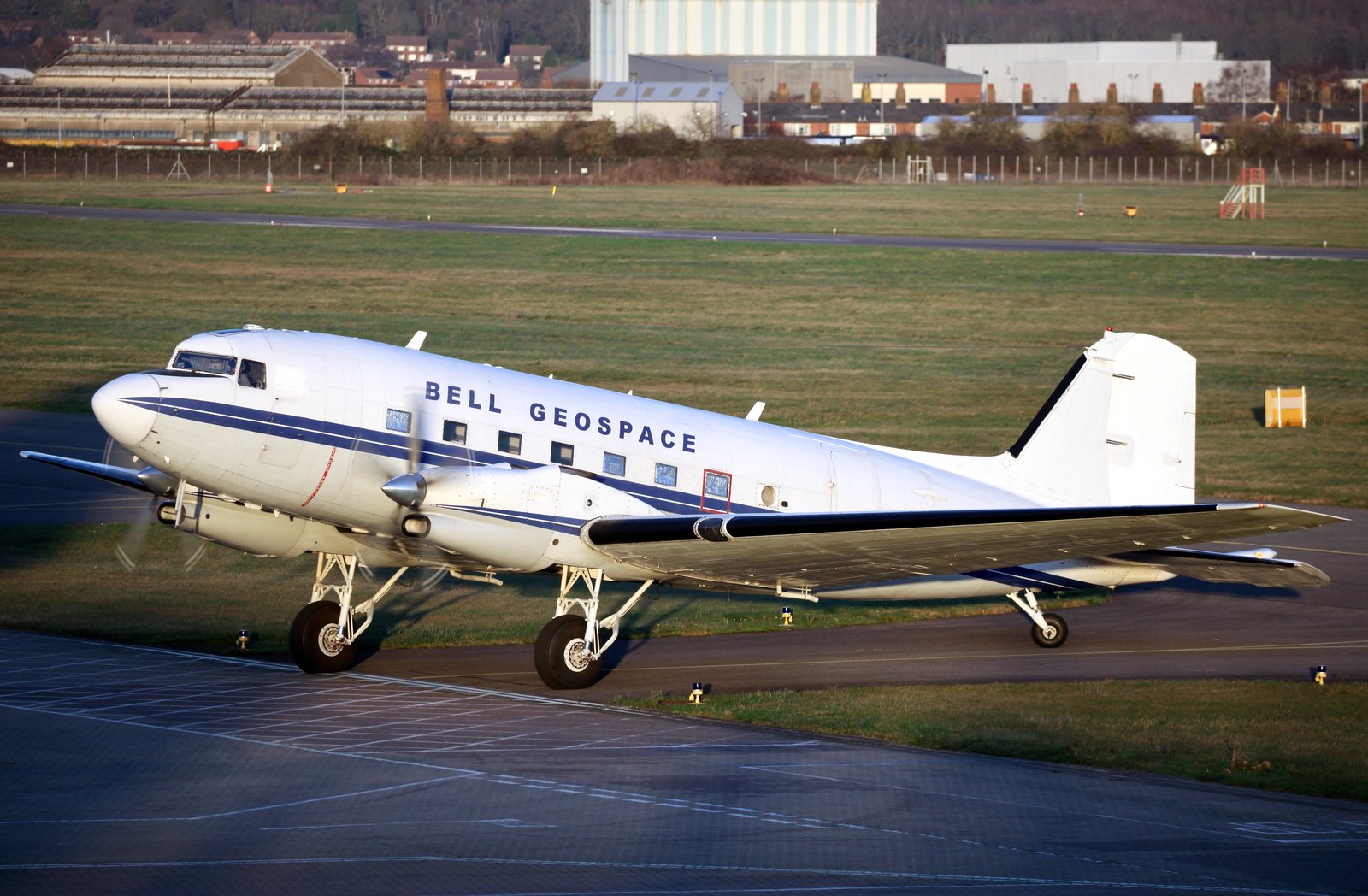
The Vision Behind the Conversion
Warren Basler founded Basler Flight Service in 1957 with a singular focus on the Douglas DC-3, spending 33 years maintaining, rebuilding, and operating more than 100 of these legendary aircraft. By the mid-1980s, Basler recognized that while the DC-3 airframe remained nearly perfect, significant improvements could be achieved by replacing the original piston engines with modern turboprops. This vision led to the creation of Basler Turbo Conversions in 1990, a company dedicated exclusively to transforming existing C-47 and DC-3 airframes into the BT-67.
Manufacturing Excellence
Basler Turbo Conversions established operations in January 1990 at a 75,000-square-foot facility at Wittman Regional Airport in Oshkosh, Wisconsin. The company's low production volume of 2-3 aircraft per year necessitated developing extraordinary manufacturing capabilities, producing over 6,500 different parts in-house, including structural components, sheet metal work, and fiberglass elements. This comprehensive approach ensures each conversion meets FAR Part 25 certification standards, the same rigorous criteria applied to modern commercial jetliners.
In 1996, aviation entrepreneur Jack Goodale assumed control of the company, bringing business development expertise that helped establish a worldwide customer base. The facility continues operating today, serving as both conversion center and support hub for BT-67 operators globally.
Technical Transformation
The BT-67 conversion process fundamentally reimagines the DC-3's capabilities while preserving its legendary reliability. Each aircraft receives twin Pratt & Whitney Canada PT6A-67R turboprop engines, recognized as among the industry's most dependable powerplants. These engines drive five-bladed Hartzell constant-speed propellers measuring 9 feet 7 inches in diameter, providing significantly improved performance over the original radial engines.
The conversion extends beyond powerplant replacement, incorporating fuselage lengthening, comprehensive airframe strengthening, modern avionics installation, and modifications to wing leading edges and wingtips. These enhancements transform a 1940s transport into a contemporary utility aircraft capable of operating in demanding environments worldwide.
Performance and Capabilities
The BT-67 delivers impressive performance metrics that far exceed the original DC-3's specifications. Maximum speed reaches 285 knots compared to the piston variant's 180 knots, while cruise speed of 210 knots provides efficient long-range operations. Service ceiling climbs to 25,000 feet, offering flexibility in weather avoidance and route optimization.
Range capabilities depend on fuel configuration, with standard tanks providing 950 nautical miles compared to the original's 1,160 miles due to higher turbine fuel consumption. However, optional long-range fuel tanks extend range to 2,140 nautical miles with 45-minute reserves, enabling transoceanic ferry flights and extended missions.
Diverse Mission Profile
The BT-67's versatility serves numerous specialized roles including cargo transport, military operations, cloud seeding, scientific research, polar ski operations, and parachute activities for personnel, cargo, and sonobuoys. This adaptability stems from the DC-3's inherent design flexibility combined with modern turboprop reliability and performance.
Recent operations demonstrate ongoing relevance, with aircraft like serial number 12438 (N700CA) conducting test flights as recently as 2025, proving the conversion's continued viability and development.
Legacy of Innovation
The BT-67 stands as aviation's premier example of successful aircraft remanufacturing, combining what Basler calls "the most reliable airframe in history" with contemporary propulsion and avionics technology. While other companies attempted DC-3 turbine conversions, Basler's comprehensive approach and long-term commitment created the only commercially successful program.
With 67 aircraft completed to date, the BT-67 proves that classic aviation design, when properly updated, can compete effectively in modern commercial aviation. The program's success demonstrates how innovative engineering can extend aircraft service life indefinitely, providing operators with the reliability of proven design enhanced by modern technology.
Continuing Operations
Basler Turbo Conversions maintains active production and support operations, continuing to convert airframes and provide worldwide maintenance support for existing operators. The company's three-decade commitment to the program ensures BT-67 operators receive comprehensive technical support, parts availability, and upgrade services throughout their aircraft's operational life.
This ongoing support structure, combined with the fundamental reliability of both the DC-3 airframe and PT6A engines, positions the BT-67 as a unique solution for operators requiring dependable utility aircraft capable of operating from short, unpaved airstrips while carrying substantial payloads over considerable distances.